

In Louisiana, our Cajun culture has a large influence on our food, music and holiday celebrations. We love to eat jambalaya while listening to zydeco music, and on Easter our French roots lead us to the tradition of “paquing eggs” (pronounced like “pocking eggs”). Paquing comes from “Paques,” the French word for Easter.
My grandparents grew up in central Louisiana in Avoyelles Parish, where no Easter celebration is complete without a round of paquing eggs. It’s a joyous time where everyone has his or her eye on winning the egg-knocking contest. After all, your reputation is on the line here.
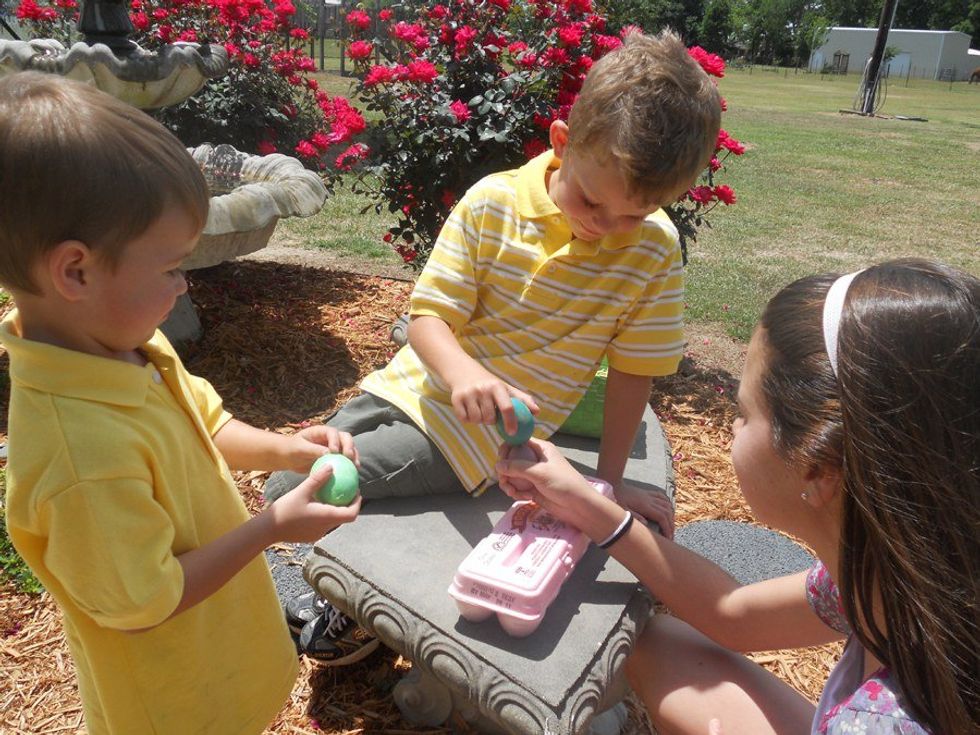
Before Easter, eggs are boiled and then decorated or dyed with food coloring. When you paque eggs, one person holds their egg in their hand with the top tip of the egg facing up. Then, they compete with another person to see whose egg is stronger by softly knocking the tip of their egg to the tip of someone else’s egg. It looks a little something like this:
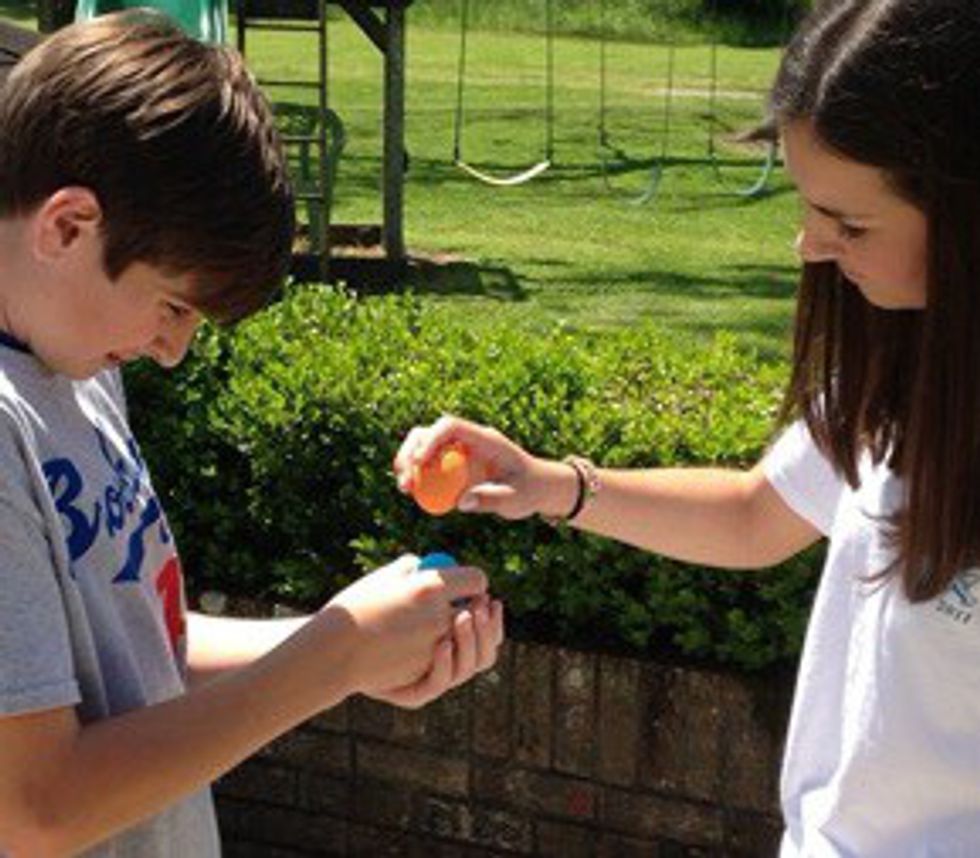
You know that you’ve won when you start to see the top of your opponent’s egg crack. Once you’ve won the first round, you move on to another person’s egg until a final winner is crowned. It’s a simple tradition, but it’s a fun one to share with your family. My grandparents know a few tips and tricks to winning, like a special way to boil your eggs, specific types of eggs to use and the best strategies for knocking your egg. You can even cheat by using a guinea hen egg instead of a chicken egg. The egg of a guinea hen is smaller but has a tough shell that can out-paque any old chicken egg.
No one quite knows how this game began, but like most Cajun traditions, it probably developed out of taking the simple things that were available and making the most out of them. The largest celebration in Louisiana is in Marksville, where a public paquing contest is held annually on the courthouse lawn. After all, of the eggs are cracked, some Cajuns like to peel all of the eggs to make a potato salad or another one of grandma’s secret recipes for the Easter lunch spread.
What makes paquing even more special is that for some, the eggs that they use are from hens right in their own backyard or from a friend’s hen house.
This Easter tradition is special to me because it ties me to my grandparents, great grandparents and so on, and it’s something that I can pass down to future generations. Have a happy Easter celebrating your family’s traditions!

















