“It’s just a kids’ film.”
You’ve probably heard this phrase in a discussion with an animated film. On the surface, it’s an accurate description. Animated films are more often than not kids’ films because they just so happen to be marketed to and are suitable for children. Below that surface, however, this phrase takes on a different meaning.
It is not uncommon to hear this phrase used as a defense against criticism towards an animated movie. Personally, I find this defense to not only be irrelevant in the grand scheme of things, but also an unhealthy indicator of how animated films are viewed and treated by some.
Critics who review animated films focus on many different aspects in their critiques. Cinematography, acting, and story are factors in this, just as they are for a critique of a live-action film, but so are animation style, quality, and other similar characteristics. In other words, critics are looking for those aspects that are directly related to the overall appeal and effectiveness of a film.
You’ve probably noticed that all of this has absolutely nothing to do with the audience that the film is geared towards. And for good reason.
A film that is for adults may be subjectively poorly-made compared to one made for children, and vice versa. Saying that a bad animated film is “a kids’ film” does not excuse whatever perceived problems a critic or moviegoer might bring up, from stilted acting to subpar animation. Too often is the phrase used as a means of somehow nullifying negative opinions. On top of that, it suggests that an individual should lower their expectations for animated films on the grounds that they’re “kids’ films” and thus aren’t expected to be great.
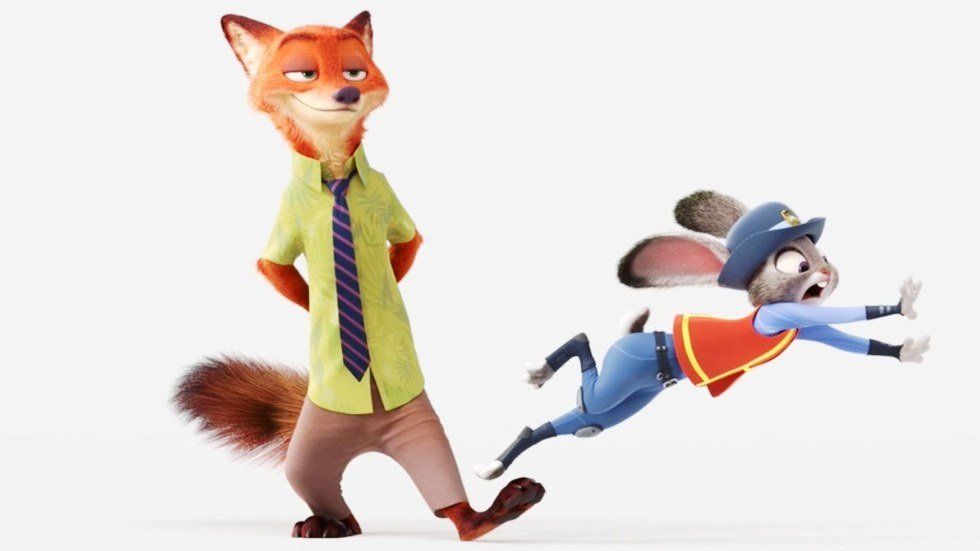
Allow me to share a personal experience I had this year at the movies. Back in March, I went to the theater to watch Disney’s “Zootopia,” a film that I’d heard only good things about. Mind you, it is for kids. What I got myself into was perhaps one of the most mature, grounded, thoughtful films I have seen in a while; a movie that wasn’t afraid to tell its target audience the unbiased truth about real-world issues such as racism and bigotry.
This is what a “kids’ film” can be. And there are plenty of them spanning from before “Zootopia” to today.
Classics like “Spirited Away” and fresher faces like “The Lego Movie” prove that animated films can and should be taken seriously. Being complacent about animation on the grounds that it is supposedly for children is what leads Hollywood executives and producers to churn out inadequate animated films that are aimed solely at the likes of middle schoolers or three-year-olds. In short, it prevents the medium from evolving, making studios overlook the potential of animation and instead settle for producing subpar animated films whose purpose is to make money.
If I’ve learned anything about kids as a film-going audience, it’s that they aren’t stupid. They don’t need to be coddled by cutesy characters, sophomoric humor, or rhyme-heavy songs; they are more than capable of understanding the real world, and animated films can reinforce that understanding. This is yet another reason why labeling animated movies as “kids’ films” or using it to shut down criticism is unfair; in this context, it is patronizing and misses the bigger picture.
I’m not saying we need to start showing kids Citizen Kane or The Godfather, but we—and especially studios who want to make animated films—need not treat them as though they can’t handle or grasp something truly artistic, impactful, or genuinely entertaining.
The best animated films have something interesting to say, even if it isn’t all that life-changing or earth-shattering. Animation is so great because it transcends the idea of an age group, reaching to people of any age with originality, heart, and beautiful storytelling and visuals. It is a perfect platform for exposing young audiences to quality cinema, communicating important messages to them, and overall engaging them in the same way “grown-up films” engage us.
Animation is not just for kids. Just like its young viewers, it’s more mature than it seems.