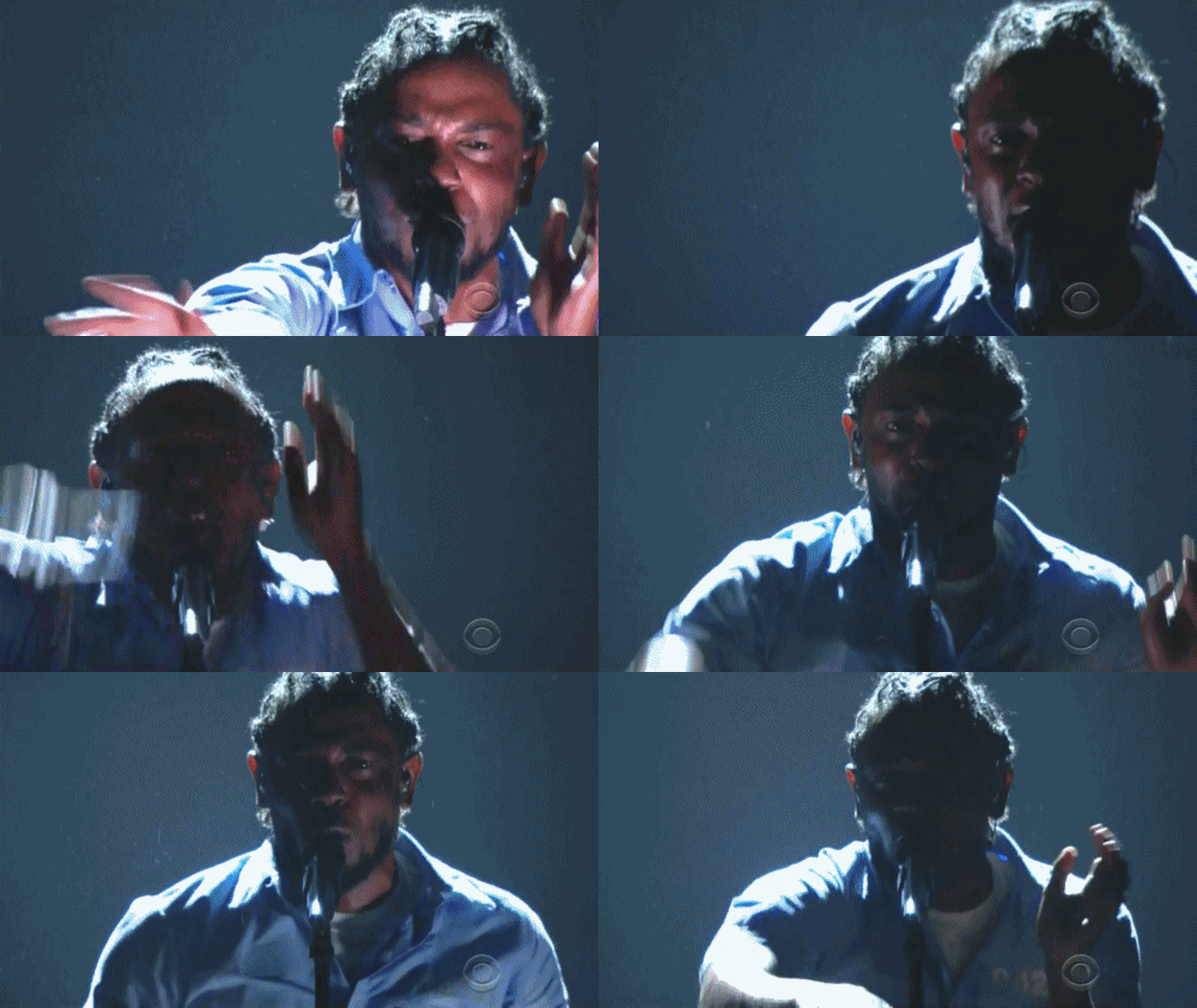
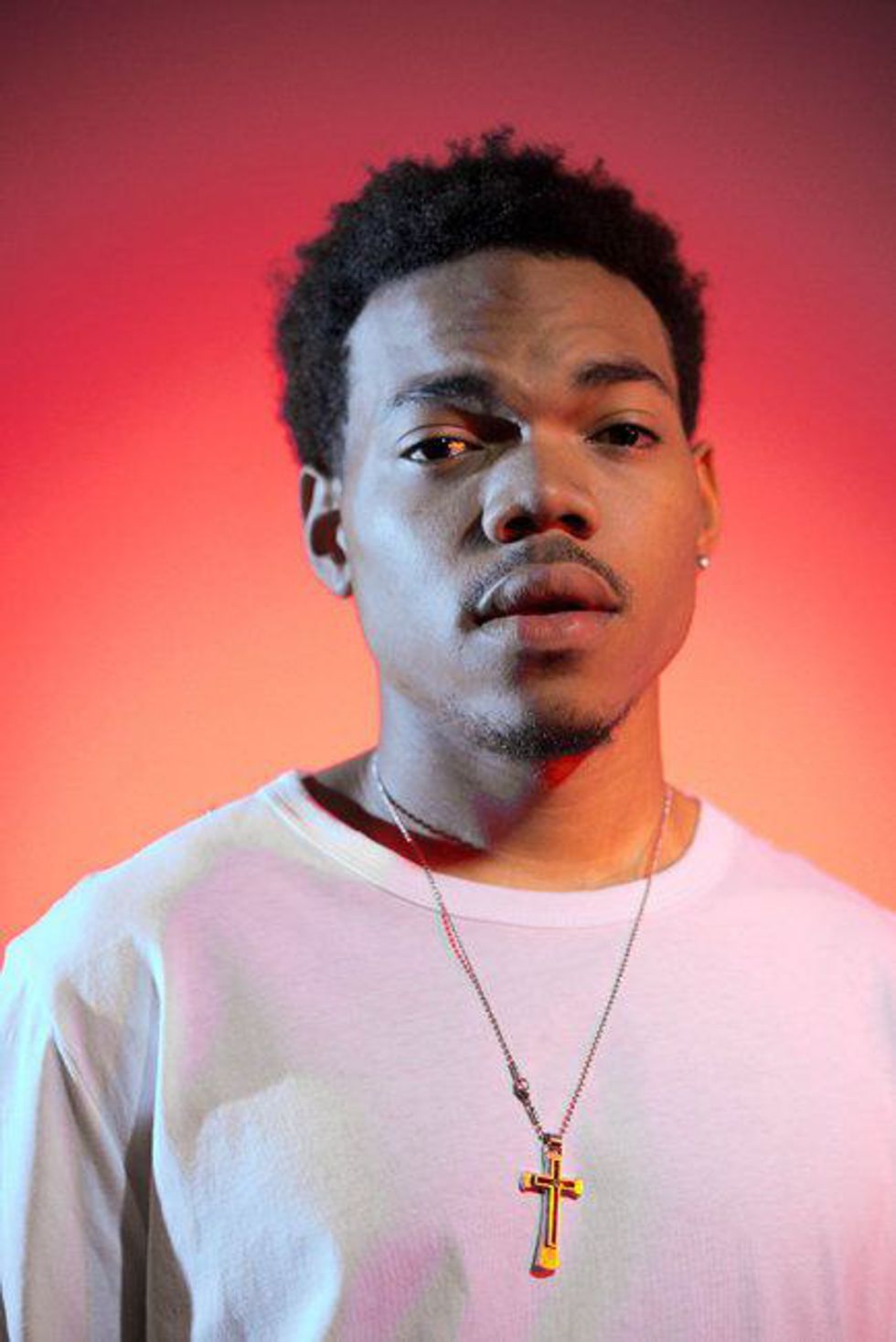
Just when we were beginning to think that hip-hop was dead, we were hit hard with another brilliant performance that brings us into a different mindset. Before seeing the groundbreaking performance of Kendrick Lamar at the 2016 Grammys, I was thoroughly convinced that Chance the Rapper’s performance on "Saturday Night Live" would be the greatest hip-hop performance for a long time. I am glad that I was proven horribly wrong.
Although Kendrick’s music might not be considered the “most popular” or “radio hit music,” it's probably some of this generation’s most influential and socially aware form of “mainstream” hip-hop. As an artist, he has moved from masking and coding his messages into a more radio friendly format as with "Good Kid m.A.A.d. City," and has begun to create new aesthetics that push the limits of hip-hop both sonically and in performance.
This move toward more jazzy, poetic hip-hop has made some skeptical of whether or not Kendrick is as good as he used to be when he was focused mainly on lyrical content and sonic appeal. I personally think that it is evidence of him moving beyond the boundaries of what the radio considers to be good music.
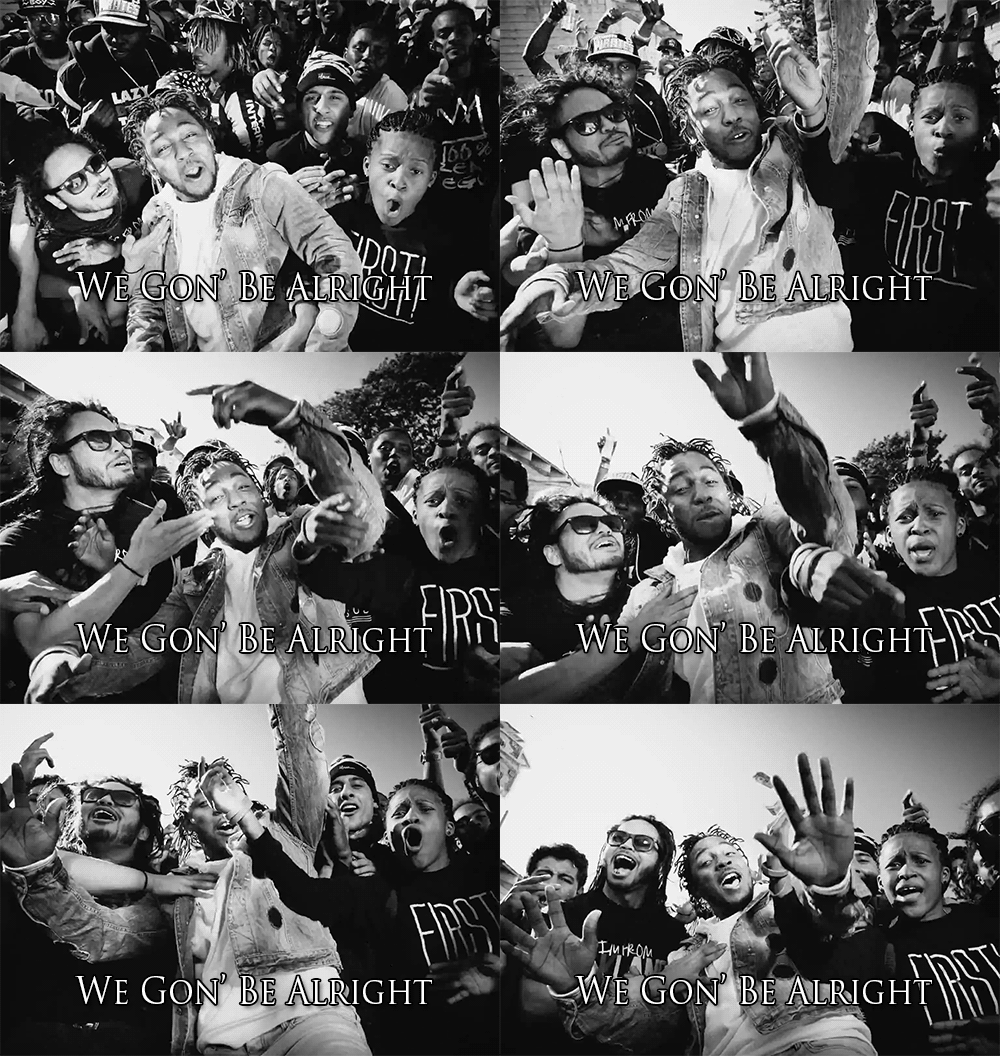
It becomes easy to forget about his presence in hip-hop after he leaves a mark on the industry until we see that he has left another one. The work of art that was shown on "To Pimp a Butterfly" from the conversation with Tupac to the profound imagery in the music video for "Alright" made me realize that he understood the things that hip-hop was originally meant to achieve.
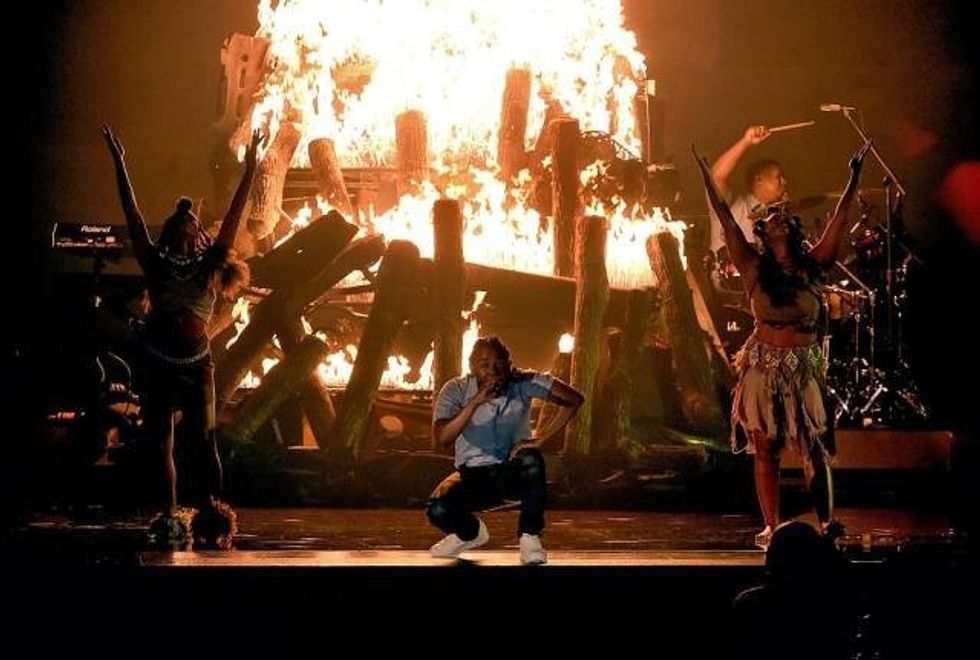
I was under the impression that after he had done this, he wouldn’t be able to make a move nearly as powerful until I saw his performance at the Grammys. I was immediately corrected. The performance at the Grammys was symbolic, timely and altogether entertaining. It was as if we were seeing a movie being played out before us in a way that felt like a journey through history.
February has truly been a month of Black History and empowerment, one that I did not expect. The nation’s biggest entertainment events have been almost subdued one by one in favor of a representation of people of color in a positive light. Kendrick’s performance continued the trend that had even made its way into the Super Bowl with a heavy message about Black struggle and historical allegories lacing every bar in his rhymes.
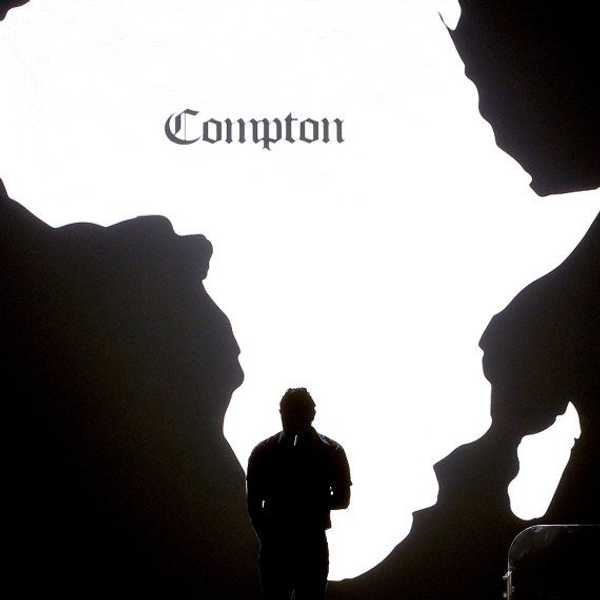
From the prison industrial complex, to the tribes in Africa, to imagery that symbolized Compton’s roots in Africa, there was no mistaking the direction of his performance. It almost made me chuckle to see the discomfort on the faces of some of the audience members.
Regardless of who agrees or disagrees with the platform or the content, it was something that needed to be done. The current state of the nation is one that is very polarized and violent, and differing ideologies become grounds by which hatred is spread from person to person.
Kendrick’s performance was not one that sought to recreate those divides, but brought hope to Americans that even though the status quo is volatile, we can unify in our struggle to stop the mistreatment of Americans who have differing views or differing cultures. It was a celebration of our continual struggle and a hopeful look into the future as with the image of Africa with Compton printed on it.
Kendrick has, along with Beyoncé, sent the spirit of hope and unity to the people who needed it most, and has hopefully started a trend of powerful musical performances for the future. I can now say that I am truly looking forward to 2016 for the first time.