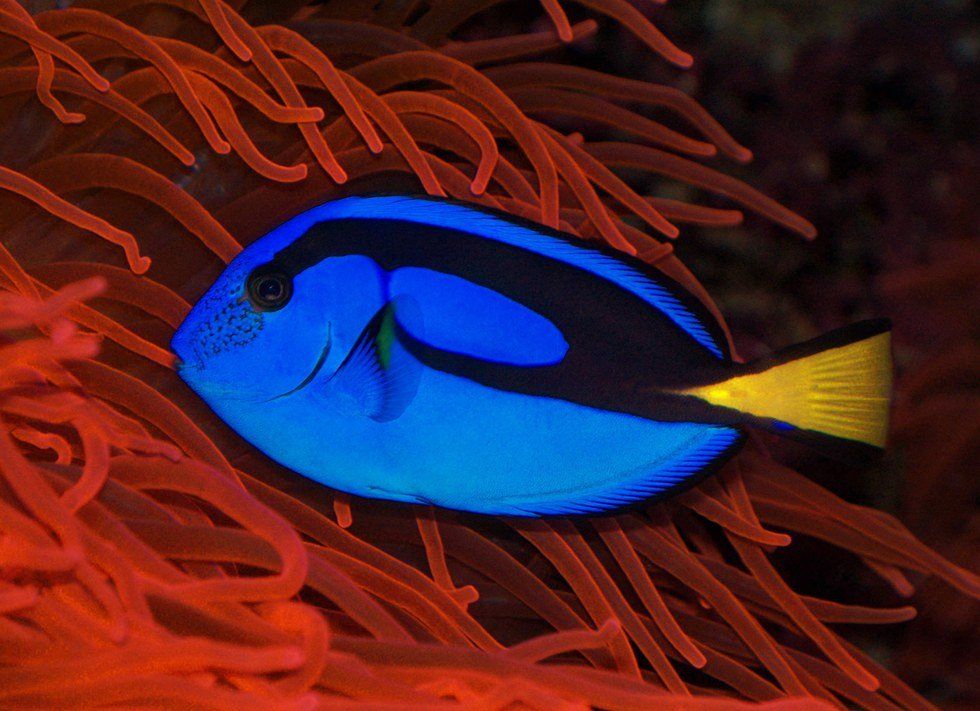
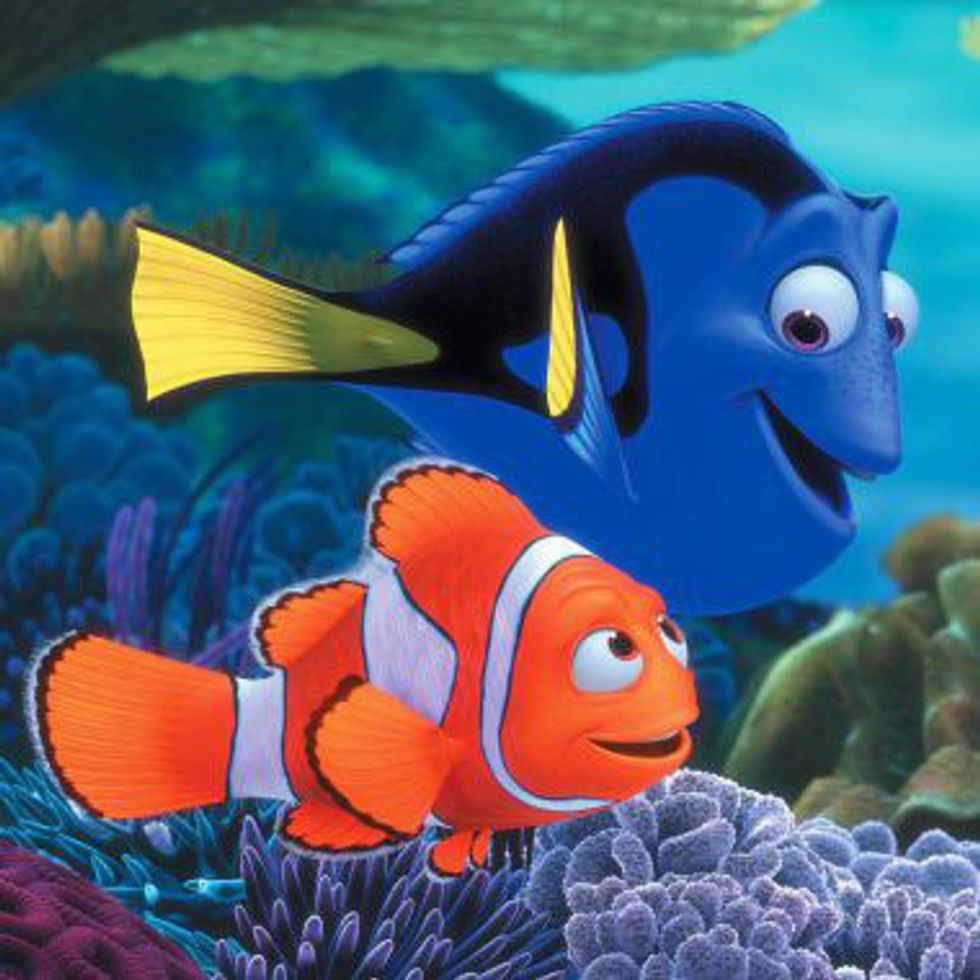
With the release of the new Disney Pixar Movie Finding Dory, the Blue Tang fish (Paracanthurus hepatus) is in great danger. Just 13 years earlier, upon releasing Finding Nemo, the sales in clown fish all over the world skyrocketed. Children wanted to have their very own Nemo fish at home! The demand for Blue Tang, the species of fish that Dory is, is expected to increase substantially with the opening of the new movie. However, Blue Tang often make very difficult pets to keep and should not be removed from the wild. Here's Why:
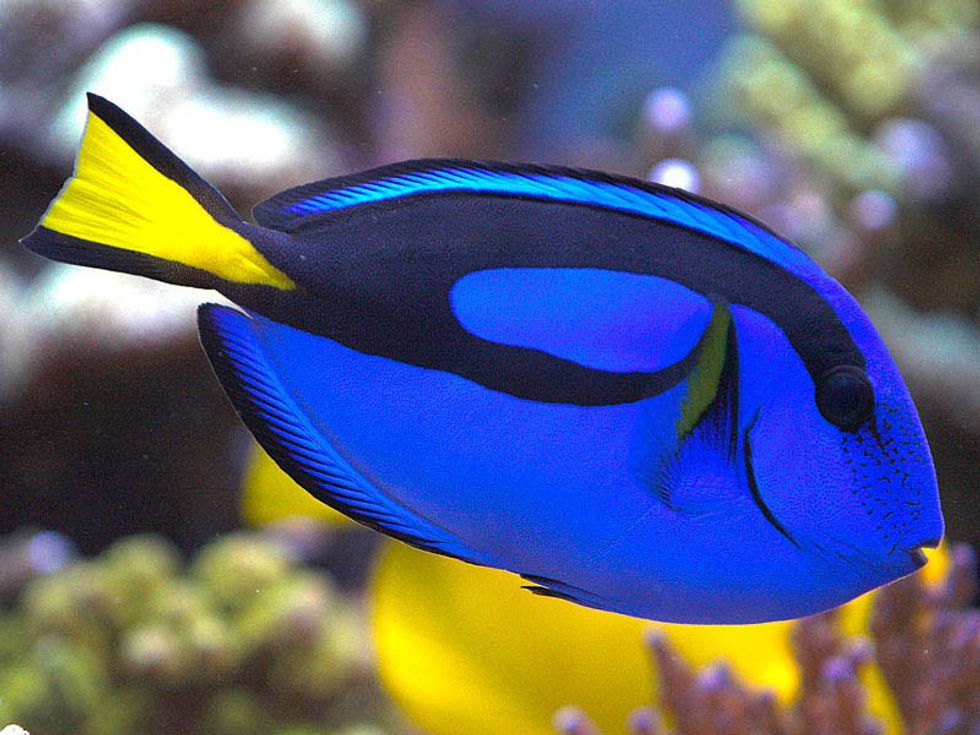
1. Demand for this species as pets could deplete their population in the wild.
Blue Tang are prevalent in the wild and are important for maintaining the delicate coral reef ecosystem. However, capturing these fish for aquarium life will deplete this population, which in turn will affect the coral reef that the fish calls home.
2. Blue Tangs do not successfully breed in captivity.
Through decades of failed aquarium breeding, Blue Tang are not able to reproduce in aquarium settings. In fact, only about 15 percent of over 2,000 aquarium fish species can grow and reproduce in captivity. Blue Tangs can only reproduce in the wild, and are taken from the wild to live in your aquarium.
3. Dory fish can grow to a huge size!
In captivity, Blue Tang can grow to a large size of ten inches! A minimum aquarium size of 120 gallons is required for one Tang to live in comfortably during adulthood. This is a rather large aquarium size that would not be found in the average household.
4. Blue Tangs are more aggressive than other gentle fish.
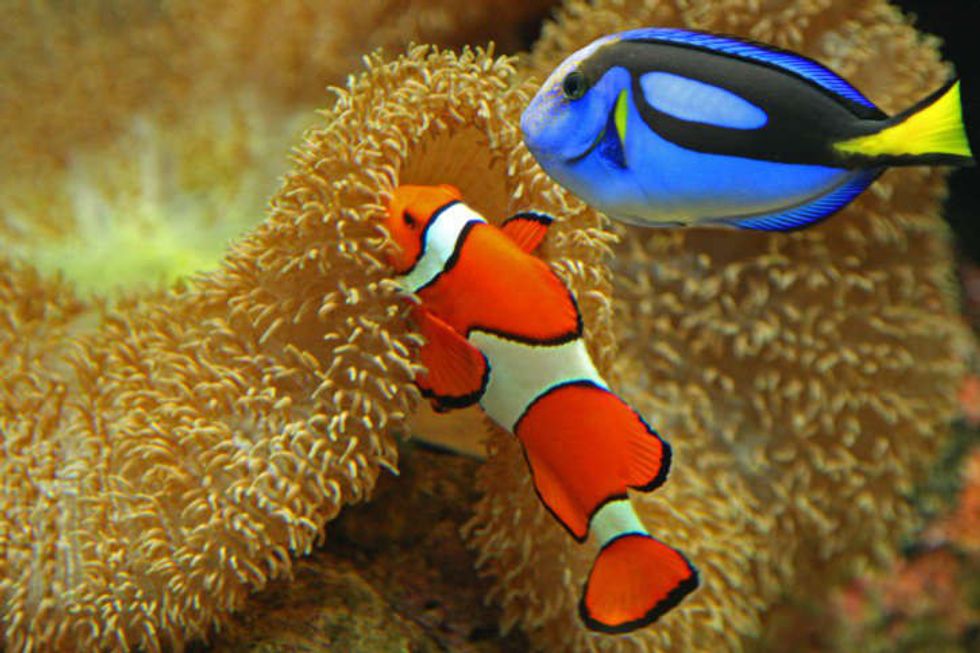
Blue Tangs love to assert their dominance with fish of their own kind and should not be kept in an aquarium with others of their own species. Blue Tangs possess razor sharp spines, located at the base of their tails, that are used to stab each other. If not careful, these spines are sharp enough to penetrate through a human hand!
5. Blue Tang fish are NOT Cheap.
Costing as much as $250 a piece, just for the fish, blue tang are an expensive investment. A coral reef aquarium that is necessary for tang to live in is not cheap either, ranging between $3,000 to $10,000. This is a lot of money for a fish!
6. Blue Tangs are "Ich Magnets".
These fish often develop the Ich parasite when stressed. It is very common for this parasite to develop after introduction to a new tank. In addition, they are also susceptible to HLLE, or Head and Lateral Line Erosion, and must be fed a hearty balanced diet in order to prevent these problems.
7. Blue Tangs are not easy fish for beginners to care for.
The Blue Tang is listed as a 'difficult to keep' fish, meaning that they are not a good choice for beginners in the aquarium world. However, dedicated hobbyists with a large enough tank who do research about the care and keeping of this fish have had success with these fish in their aquariums.
8. Blue Tangs are Power Grazers.
Blue Tangs require an aquarium that has a lot of rock surface for them to graze on! A mature aquarium of at least six months old is needed before a Blue Tang should be introduced into the environment. The aquarium should not be too clean and there should be some algae growth on rocks for the tang to graze on.
9. The correct temperature is a must when it comes to Blue Tang survival.
Blue Tangs live best in an environment where the temperature is carefully regulated and kept between 74-84 degrees Fahrenheit. Water quality is also a key factor in Blue Tang survival. As a Tang owner, one must constantly monitor tank conditions to ensure the healthiest and happiest environment for their fish.
10. Blue Tangs are wild animals.
Blue Tangs, often hard to keep in aquariums, are best observed in their natural habitat. Let us work together to preserve this species and view them in their natural habitats, or at zoos and aquariums, where they are able to get proper care.
Owning a Blue Tang comes with great responsibility, is a financial commitment, and can be extremely difficult. Instead of buying a Dory fish, simply buy posters, stuffed animals, toys and other mementos of this beautiful creature. Lets leave the ownership of blue tangs to marine biologists, zoologists, aquarium hobbyists and other marine experts!