


Judgement: it’s something we avoid at all costs. And that’s not always a good thing.
We’re constantly submerged in judgement-free propaganda, whether we’re working out at Planet Fitness or kept in check by a university anti-bullying policy. When it comes to combatting unfair, hurtful judgement -- deeming others lesser -- these incentives aren’t just helpful, they’re necessary.
With that being said, it becomes hard to find the defining line between injurious judgement and upright discernment, a form of self-expression millennials seem to have lost; we forget that rational, fair judgement is a part of human nature, and it serves a fundamental purpose.
The world’s full of polar opposites: morality and immorality, rationality and irrationality, fairness and unfairness; the list is never-ending. Between each opposing side, there are factors to be acknowledged, considered and, then, judged. Unfortunately, though, our sometimes passive standings on any given issue create a barrier between us and a concrete sense of self -- which is an understanding 20-somethings are constantly searching for.
We’ve become apt to not taking a side on everything from abortion to gay marriage, immigration to foreign affairs and, often times, our “uninvolved” status is rooted in our undying avoidance of confrontation.
As much as celebrity influence and pop culture norms tell us our self-discovery is best initiated by dressing for ourselves -- donning pastel hair colors, flashy fashion and abstract accessories -- there’s a definite limit to materialism-based assertion. The reality is that, when we breathe our last breath and say our last words, we’ll become known for what we stood by.
Standing for something frequently gets chalked up to heated, family debates -- just trying to refrain from flinging Thanksgiving turkey across the table -- but convictions run deeper than word vomiting at every familial convergence. Expressing one’s thoughts on the world’s rights and wrongs is needed for society to function properly -- and even just our day-to-day lives.
From the moment we awake, we choose our favorite brand of coffee, most expressive attire, desired morning munchies and traveling tunes; we even discern over what gas station we prefer to fill our tanks and sometimes cent differences aren’t even a factor. All these decisions stem from our preferences and perspectives, built over time with our watchful eyes. Making these choices allows our days to feel whole, enjoyable and, well, personalized.
Keeping an open mind affords the avoidance of bitter coffee, unnatural-feeling clothing, disagreeable nourishment and a whole slew of other enjoyment-hindering factors.
Interestingly, taking a side on “big issues,” far removed from our trivial, daily decisions, has a similar effect. Sure, it might take reading some articles, talking around and some personal experiencing to form those opinions -- but the same open-mindedness we’ve used to establish our trivial preferences leads to concern for those commonly avoided, heavily-impactful issues.
When we start to educate ourselves on the things we find “uncomfortable” and “foreign,” we begin the lengthy -- but ever-so-worth-it -- process of expression through opinion; we establish a sense of agreement and disagreement, in turn becoming change-agents for our own qualities of life.
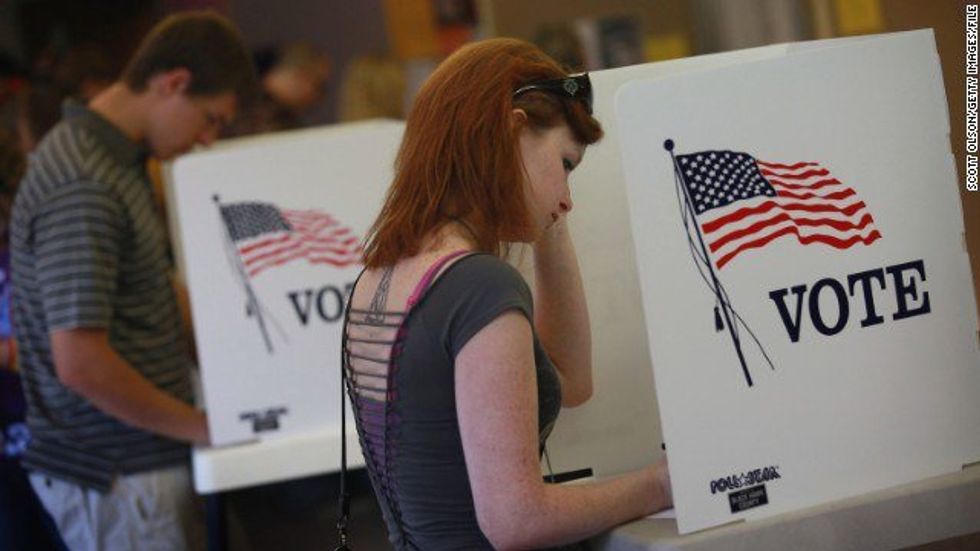
The reality’s that political “top topics,” the kind that make faces red and fists clench, effect us -- that’s why they induce high-running emotions; the laws passed, whether based in restriction or allowance, become a part of our lives’ norms. Through educating ourselves, often instilling a sense of call-to-action, we take the initiative to vote, lobby, protest and campaign -- building our own, personalized futures; because we’ve taken the time to care, we’re afforded an important part in building our own realities -- and what’s a better gift than that?















