

A dentist’s chair is not a great place to start up a conversation, but my dentist (like many people when they find out I’m at school) thought it would be a good idea to to ask what I’m studying.
“I’m an American Studies major and Journalism minor.” I say. Or more realistically, “ImmamAMericastufiesmajerndjurnalishahminah” because there was an array of sharp objects and fingers poking my mouth.
“Oh, journalism! That’s a dying field, you know.”
And there it is. I brace myself because I know what follows this statement. I’m going to have to sit through all the reasons why she, a dentist, thinks journalism won’t live another five years.
“You’ve heard that before right? There’s not many jobs in journalism anymore. No one wants to read long articles anymore, no one even wants to read newspapers anymore! You know, I used to read the science section of the New York Times, but they cut it down to only four pages. It used to be so much longer!”
So now, in addition to the slow torture of choking on my own saliva and the constant scraping of teeth and jabbing of gums, I have to suffer through this psychological persecution. I never know what to say when people tell me that journalism is a dying field. I mean, what do they expect? “Oh wow! I had never thought of that! Guess I’ll switch it around my studies, thanks for the hot tip!” Usually I just smile awkwardly and mumble something like “yeah, well, I like it,” or “Mmhm,” or “How many journalism classes have you taken, Susan?? Oh you took a communications class in college once? Well then, I guess you’re the expert!!”
In all seriousness, I want to tell them that while they may believe journalism is dying, none of the professors I’ve had (who studied journalism and teach journalism and many of whom were/are journalists) share this belief. I want to mention that when the editor-in-chief of USA Today spoke at one of my classes, he said that people are reading the news now more than ever, that there has been a huge growth in digital audiences, and that new forms of technology are used to develop unique ways of reporting that keep journalism up to date. I want to say that the history of newspapers is largely a history of advertising and sensationalist stories, and that striving for objectivity and reporting on news that affects the public, rather than merchant reports or transparent political propaganda, are actually fairly modern concepts. I want to put my hand on their shoulder, look them in the eyes and calmly explain to them that saying “you’re going to have trouble finding a job” does not change the fact that I like what I’m studying and will continue to take classes in it regardless of their opinion.
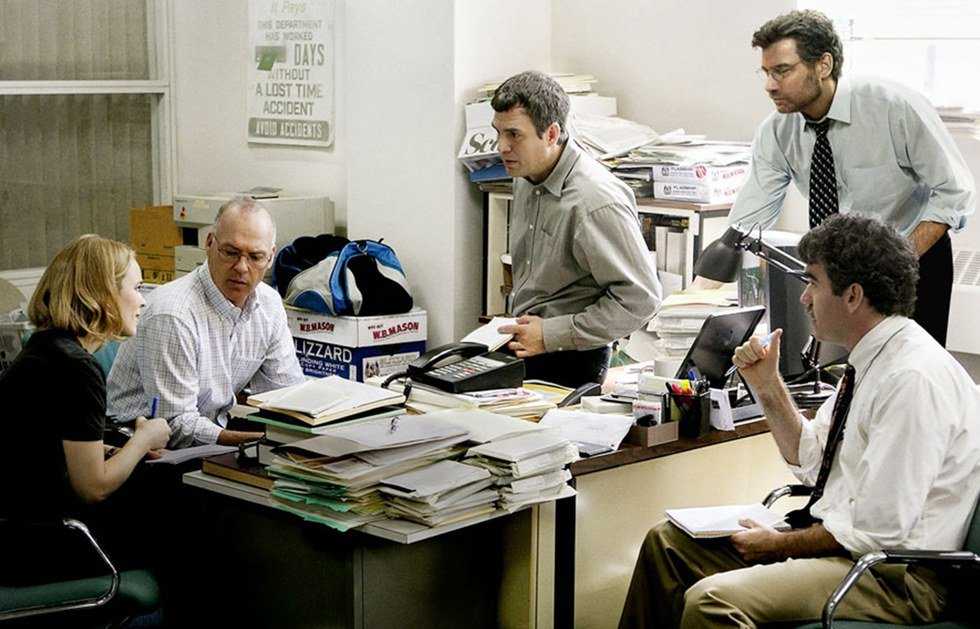
The fact of the matter is, yes, journalism is changing. The way we consume news evolved just like all the other parts of modern life evolved. The only circumstance in which I would fear for the future of reporting would be if it stayed completely static, and refused to change with the times, which thankfully, is not the case. And finally, since "Spotlight" won Best Picture, I think I’ll stick with journalism, but I’m sure an Oscar-winning movie about dentistry is on its way.

















