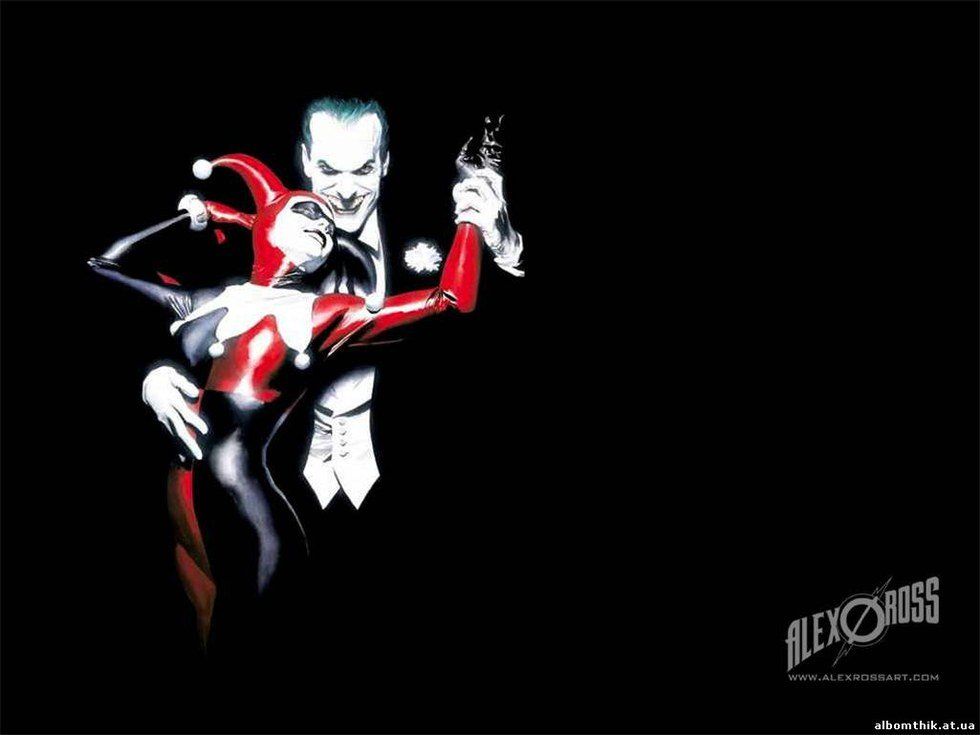
In spite of mixed reviews, the film "Suicide Squad" held the spot for number one at the box office, and the castings of Jared Leto as the Joker and Margot Robbie as Harley Quinn have been highly praised. The Joker and Harley Quinn have one of the most iconic pulp culture relationships in comics or film. Glamorized for the lack of responsibilities and lack of any care in the world but each other, their relationship has been idealized and held as a standard of romance by a number of fans. The sad truth of the matter, however, is that there is perhaps no better depiction of an abusive relationship in pop culture.
With a film like "Suicide Squad" revitalizing interest and discussion about DC villains, the relationship between the clown duo is in need of scrutiny and discussion. Without giving too many spoilers, the film did an adequate job of depicting their relationship. Harley is obsessed with her "puddin’," her "Mr. J." The Joker has her wrapped around his finger, completely devoted to his mania and insanity, even being just as psychotic as him, if not more. Harley was originally Harleen Quinzel, a psychiatrist who became fascinated with the Joker while working at Arkham Asylum and volunteers to help treat him. Harleen falls hopelessly in love with the Joker during their sessions, and she helps him escape from the asylum more than once because he used her to do so. That is the general cannon for the comics, shows, video games, and "Suicide Squad."
The Joker promised that he’d be her friend. His manner in those sessions was inviting, enticing, and seductive. For all her psychiatric training and knowledge, Harleen fell under the Joker’s influence, and now struts about in her harlequin costumes causing mayhem at his side. She tries to live up to his expectations, impress him and make him happy. Unfortunately for Harley, the Joker is incapable of loving anything other than himself and his schemes. He rarely applauds her efforts, often berating her or telling her to get out of the way as he goes about his business. In the 90s animated series, she once captured the Batman and waited for her puddin’ to come and see. Instead of congratulating Harley, he backhands her across the room, verbally insults her for carrying out his plan without him and giving away the joke when she thoroughly explained said plan. In the end of the scene, he goes so far as to push her out of a multi-story window in his fury.
Other comics and scenes are just as toxic. Harley jumped into a vat of chemicals in "Suicide Squad" to show she trusted him and was willing to do anything, just to satisfy his whims and desires. The Joker knows Harley will do anything for him, and during the rare times she gets mad or confronts him about his abuse, he pretends to be remorseful and she’s back to being his devoted, number-one lapdog. When he goes out of his way to rescue her or prevent any harm to her, it's to protect his property and let no one insult him by taking Harley from him. According to Leto in an interview, there were deleted scenes which highlighted more on their dysfunctional romance. One scene allegedly had the Joker slapping Harley and threatening to kill her.
There are only a couple of examples in the comics or shows where Harley is able to break free of the Joker’s influence and put the past behind her, but it’s only after extensive therapy and when she has suffered great amounts of verbal and physical abuse and reached her breaking point. Unless fans take the initiative to look closely in the film or are aware of the other depictions of the duo, not all may realize it is a horrible situation for Harley, in which she’s failing to realize that she’s destroying herself every second she stands by the clown prince of chaos. She is the worst type of victim, a victim of abuse who continues to embrace that abuse and go back to that abusive perpetrator.
Fans, and those not fully aware of the abusive dynamics but are aware of the relationship thanks to pop culture, have idolized the duo because the chaos is endearing. The lack of responsibility for criminals is attractive. In addition to those destructive ideals, fans do not always see that just because the Joker and Harley have stuck together for so long and so fervently, it does not mean it is a healthy or stable relationship. Personally, I have seen posts on Facebook of people wanting a relationship like the two, because it’s glamorized as a devoted, strong relationship where the two don’t care what others think so long as they are happy. Nothing could be farther from the truth, and nothing could be more detrimentally influencing.
A lot of people are attracted to Harley Quinn and the other villains because they’re not perfect. We can relate to her and the others as people who makes mistakes. In a certain light, that’s really great to show someone on screen who is relatable, with whom we can empathize in some ways. But again, depending on the way the depiction goes, that could do a lot of damage because now people are going to say, "Oh, I relate to her, and I like her, so maybe I should make that same decision." It’s fine to relate, and it’s fine to empathize or feel sympathy, but when you start idolizing or mimicking the destructive characteristics, then there is a problem. Be a fan, enjoy the mania and performance of Leto and Robbie in the film, but understand that they’re depicting two characters who cause suffering and embrace only chaos.