
This week, President Obama hired the first openly transgender White House staff member, Raffi Freedman-Gurspan. Freedman-Gurspan is a former policy adviser at the National Center For Transgender Equality and will act as a recruitment director in the White House Office Personnel. This decision is particularly significant for transgender individuals as well as other marginalized groups in America, as it indicates an inclusive stance where minorities have not just a presence, but a voice in American politics.
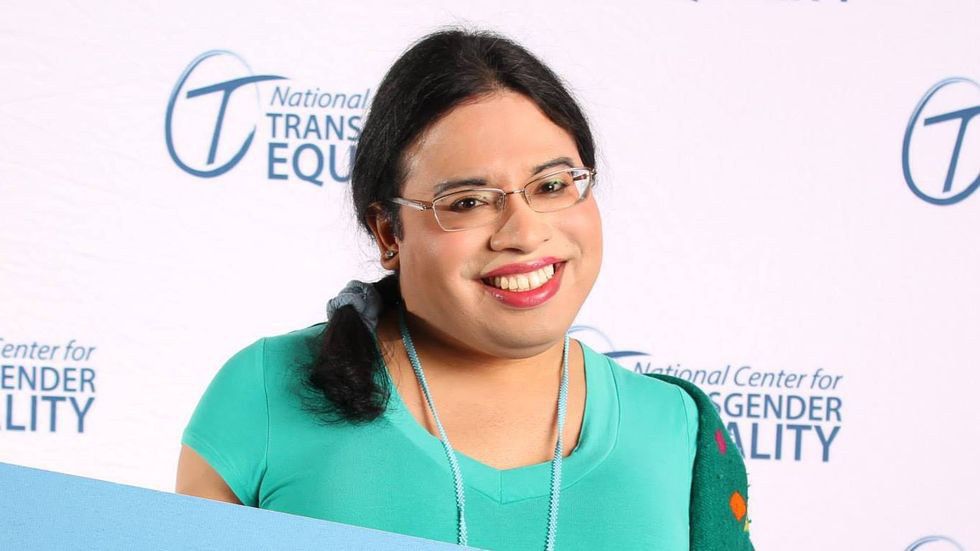
Freedman-Gurspan’s entrance into politics is perhaps even more significant than just a transgender, as it is transgender women of color who are the most marginalized group, facing heightened levels of discrimination due to a combination of transphobia, racism and anti-immigration bias. Transgender people are particularly unprotected when it comes to the law as it appears they are ignored or forgotten about in the current political environment. Therefore, Obama’s decision to hire Freedman-Gurspan highlights just how necessary inclusive politics is in order to build a more equal and accepting society.

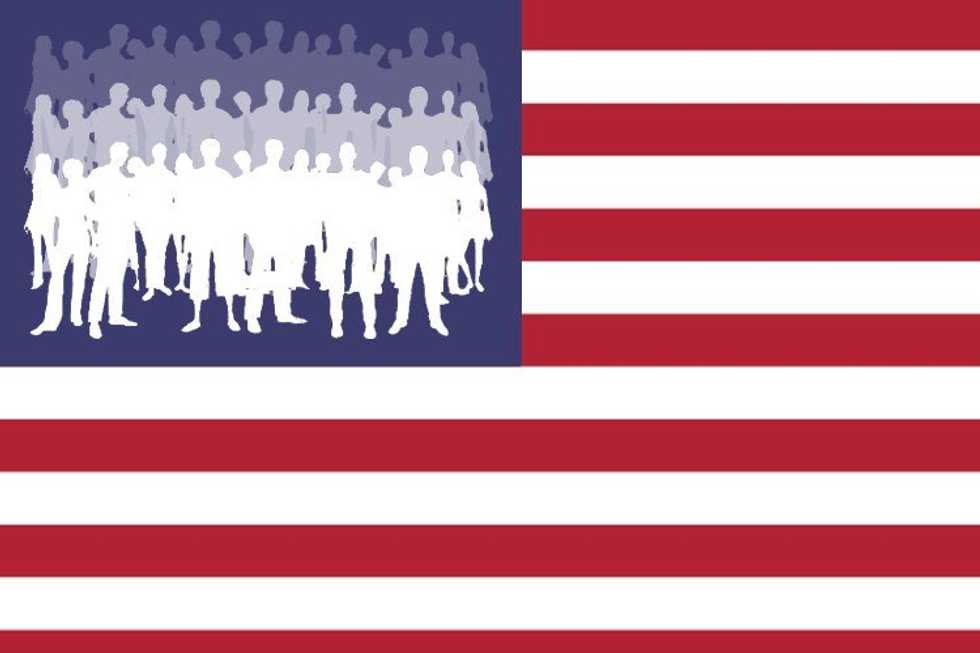
Unfortunately, American politics is not very inclusive. One only has to look to congressional demographics to understand that minorities are dangerously underrepresented in the American political system. It is not surprising to see that the group most represented is the middle class, middle-aged, white American male (which is also the most powerful individual in Western society). While men make up 49 percent of the population of the United States of America, they hold 83 percent of the seats in both the House and the Senate. If our society treated men and women equally, there would not be such an extreme power imbalance, where although women represent 51 percent of the population, they only hold 17 percent of the seats in Congress. Simultaneously, is it not disproportionate that 82 percent of the House and 96 percent of the Senate is white? It is upsetting, but not surprising that those groups whose freedoms are most limited and whose lives are most subject to discrimination are the ones who are least represented in politics and least protected by legislation.
Inclusive politics is more important now than ever before. It doesn’t make sense that male politicians speak openly and with such authority on whether, morally and ethically, women should be allowed access to abortions when they, men, will never need one themselves. Similarly, it doesn’t make sense that while 64 percent of the American population is white, a much more hefty 96 percent of the Senate is. These statistics are disproportionate, to say the least. They do not reflect the demographic of the American people, they are not representative of the diversity America boasts, and they are certainly not indicative of a fair society.
Race, gender, sexual orientation and gender identity are factors that give some groups an advantage over others. With the entrance of Raffi Freedman-Gurspan into the political landscape comes a hope for change. This is truly a victory for the LGBT+ community, as well as a public and political call for acceptance. However, there is still work to be done. To create a just and accepting society free from discrimination and unfair privilege, forming an inclusive and representative political system is the first step in that process.