

While most people are coming down from their Super Bowl highs, I am still waiting for my "Super Bowl": The Academy Awards. I look forward to Hollywood's biggest night every year, anticipating my favorite actors strutting down the red carpet in their Oscar Sunday best (it's my dream to have Ryan Seacrest ask me, "Who are you wearing?") and waiting anxiously to see if Leo DiCaprio will finally win that elusive golden statuette.
However, this year, there is more controversy than excitement surrounding one of my favorite nights of the year. For the second year in a row, the nominees for the biggest Academy awards are all white. Many actors in the industry have spoken out against the apparent racial favoritism, some even suggesting that the show's host, Chris Rock step down. The hashtag, "#OscarsSoWhite" is even gaining popularity on several social media platforms. Some actors, like Will and Jada Pinkett Smith, have announced that they will not be attending the ceremony this year, criticizing the Academy's blatant ignorance in selecting this year's nominees.
There are some, however, who are drawing attention to an even worse and deeply-rooted issue within the filmmaking industry. Viola Davis, a two-time Oscar nominee spoke out saying that the diversity problem is not with the Oscars. She asks, "How many black films are being produced each year?" Unfortunately, the answer is not very many. The "How to Get Away With Murder" star pointed out that the big-time producers making the movies that are considered by the Academy are not "thinking outside the box" when it comes to casting roles with actors that are members of minority groups. With Davis's logic, it is apparent that the Academy has not been trying to leave blacks out of the running, but because of the way the industry is functioning, they are left with no choice in the matter. She says, "You can change the Academy, but if there are no black films being produced, what is there to vote for?"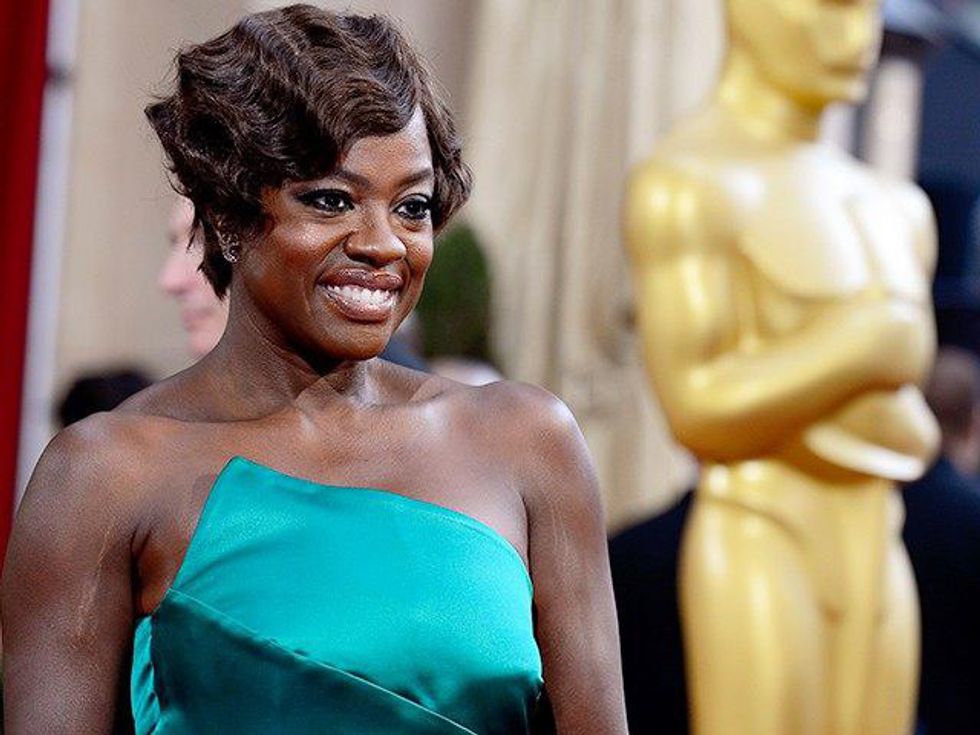
This controversy is a major setback in the world of film. It is worrisome to think that maybe we have not come as far as we like to think we have. The first actor to win an Academy Award was Sidney Poitier in 1964 for his performance in "Lilies of the Field," and yet over half a century later, the film industry is still struggling to maintain equality for actors of all races. While this issue that has largely remained quiet in recent years, the attention it is receiving may be the key to positive change. Now that the issue is out in the open and being discussed, it is possible that some real change can happen. Hopefully, this can be a turning point for the film industry and we will see a release of more diverse and representative films by the time the next round of Oscar nominations is released.