This summer, I have been lucky enough to have an internship with a brand-new nonprofit organization that serves Syrian refugees, titled Ananias Mission. It’s been an incredible experience, and I have learned a wealth of new information and skills from my time there. One of the most important things I’ve learned from this experience is just how complicated the situation in the Middle East is, especially Syria, and how little most Americans truly understand it.
During my internship, I’ve been tasked with “checking the weather” in Syria; in other words, once a week I read everything that the West’s major news organizations report about the crisis there. I’d like to share with you what I’ve learned about ISIS from conversing with my coworker, who is a Syrian refugee, and from the research I’ve done myself. I would like to add the disclaimer that this is my personal understanding of ISIS, Islam, and the Syrian crisis based solely on research and conversations I’ve had, and not on personal experience. As a white Christian girl from America, it’s likely that I did not get every detail exactly right. Therefore, I encourage you to learn yourself and correct me!
The basics.
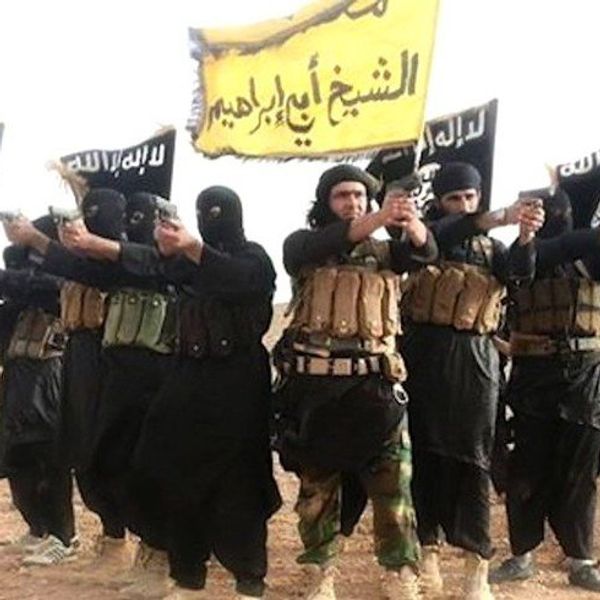
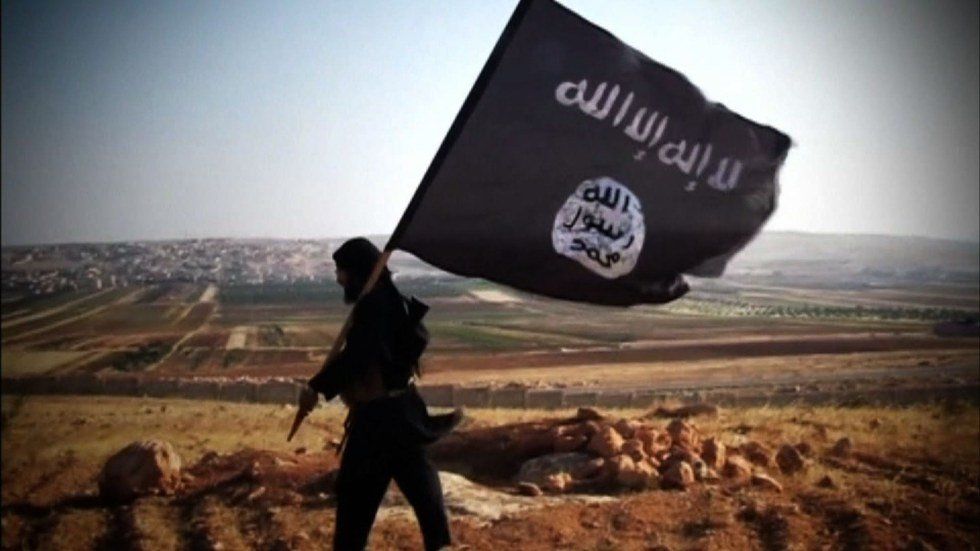
The terrorist organization is referred to most commonly as ISIS, sometimes as ISIL, and often shortened to simply IS. All of these are different names for the same people, the acronyms standing for “the Islamic State in Iraq and al-Sham/the Levant,” or just the Islamic State. “Al-Sham” can refer to the Syrian capital of Damascus, or the wider country itself, which the organization currently occupies. The acronym can be pronounced in Arabic as “Daesh,” a name the organization doesn’t like, so many of their opponents use it. They normally refer to themselves simply as the “Islamic State.” No matter what you call them, you are referring to an extremely large group of Sunni Muslims who have decided that the world must be cleansed of all other faiths in the name of jihad, and eventually hope to expand their caliphate rule over the entire world.
Let’s pause. Here is the first thing most Americans don’t seem to understand: the religion of Islam, like Christianity, has different denominations. The main branches are Sunni and Shia. ISIS subscribes to a certain brand of Sunni Islam, and they are committing genocide against Shiites, along with anyone else they don’t like, especially Christians.
All branches of Islam (as far as I, a Christian, can tell) subscribe to the idea of jihad, which literally means “struggle on the path of Allah.” Most non-Muslims who believe that they understand jihad think of it as a holy war between Muslims and non, but jihad can also mean the personal, internal struggle within a Muslim to follow the faith. This is a big, important clarification. The heavily extremist form of Sunni Islam that ISIS follows takes jihad to the fullest extent of “holy war,” which is called “militant jihadism;” everyone who does not adopt their obscure brand of militant Sunni Islam must convert or die. It is extremely important to note that the majority of Muslims do not hold this militant view of jihad. But hold that thought -- I’ll come back to it.
Timeline.
ISIS is led by an Iraqi-born man named Abu Bakr al-Baghdadi. He grew up as a scholar of Islam, and eventually became involved with a militant Sunni group, and was so detained by American forces around 2004. He was eventually released and deemed low-risk.
In 2011, Iraq’s neighbor Syria broke into civil war. Syria’s majority population of Sunnis rebelled against President Bashar al-Assad’s oppressive Shiite regime. Baghdadi sent his men into Syria, and they infiltrated the area surrounding Damascus. In 2014, they gained control of the city of Raqqa and declared it their capital. With the IS’ headquarters and the civil war, along with a fight for the minority-Kurdish independence, all taking place in Syria the country is in total chaos.
A similar story happened in Iraq. Areas with a high Sunni population felt oppressed by the Shiite prime minister, and in June 2014, ISIS quickly expanded in those places with little effort. They took over the city of Mosul, and decided that they were now powerful enough to proclaim a caliphate, with Baghdadi as caliph. A caliphate is a rule by someone who is considered a successor to the Prophet Mohammed; in other words, a holy rule. This is the version of the IS that American forces are currently dealing with.
Current.
According to several different recent reports, American and Iraqi forces have managed to regain a lot of land from IS control. The fight is not hopeless, and ISIS is not invincible. There may be an end in sight. However, from the other reports of the lives they continue to take in Syria, Iraq, and even Western countries like France, they remain incredibly dangerous, as dangerous as any regime in history.
Here’s the most important thought I want to leave you with: ISIS is not real Islam. The IS represents Islam the same way the Klu Klux Klan represents Christianity, which is absolutely not at all. Perhaps some of their followers are truly motivated by the thought of becoming a martyr in a holy war that climaxes into a final showdown between themselves and non-believers. Some of their followers feel that they have no chance to do anything else in life, either because they grew up in poverty or were part of another rebel group that failed. Many recruits are certainly controlled by fear. However, most are motivated by greed. ISIS is incredibly wealthy and powerful. Isn’t greed always the main cause of evil?
ISIS murders their fellow Muslims. ISIS bombs Islamic shrines. ISIS destroys hundreds of Muslims during the holiest Islamic month of Ramadan. ISIS kills anyone they want for no reason. This is not Islam. This is not what the Koran teaches. This is blind hatred.
Americans, we need to realize that what the media throws at us about the Middle East, from both sides of the political spectrum, is simply a confusing jumble of snippets, usually used to push a particular agenda or pervade a stereotype. In order to combat this, we must reach as far and wide as we can for information, and piece it all together ourselves.
We all agree that we want this chaos to stop. Not all of us can be on the front lines fighting this evil, but we can learn about it. We all need to admit that we know so very little about what goes on in other parts of the world, and we need to be willing and determined to learn. When we all understand the real issue, maybe then we can find a solution.
Much of the facts I presented here were from this article by BBC, which I highly recommend to begin your research.