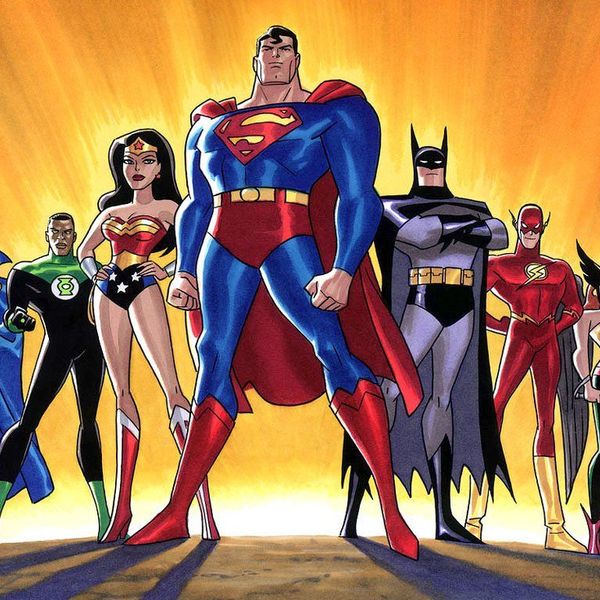

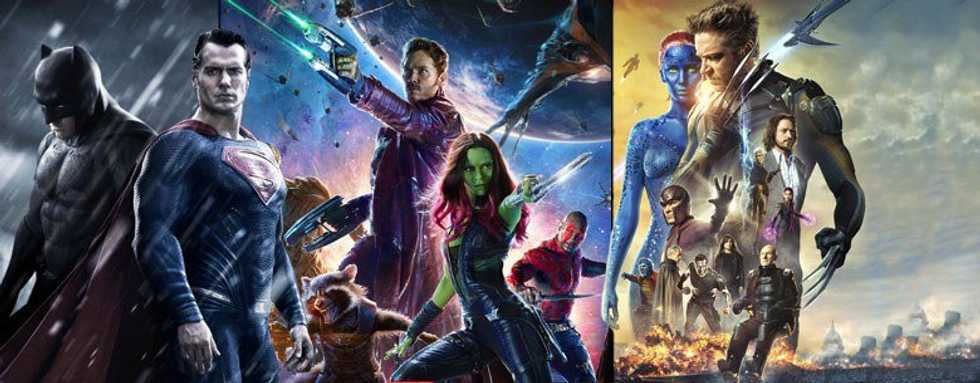
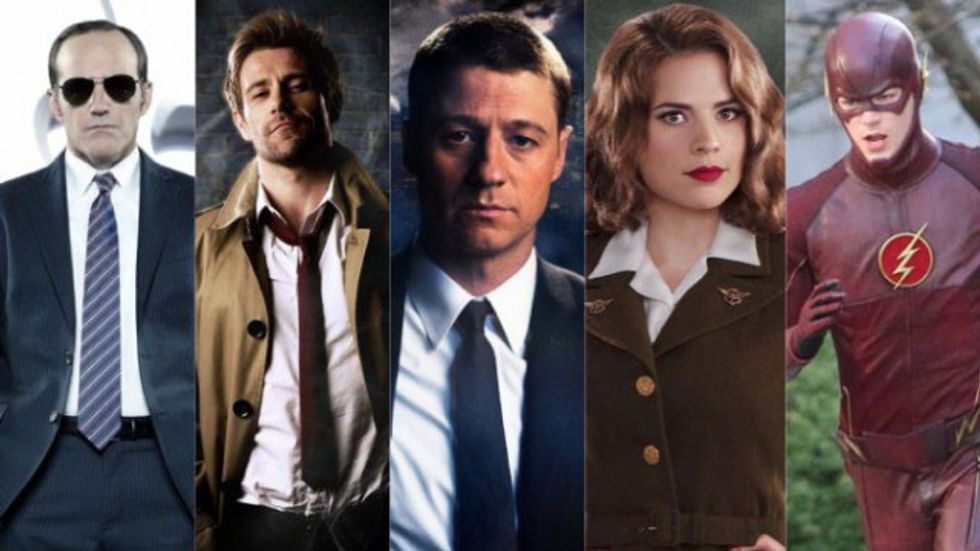
There has been quite a bit to be said about the genre that has exploded in recent years, going to many different media. For all intents and purposes of this article, I will focus on movies, television, and streaming websites as they have seen the most growth as of late. Superhero movies have existed for awhile, but it is safe to say that the summer of 2008 was the catalyst of superhero-related media starting with Ironman, starring Robert Downey Jr. It was exacerbated by the still highly heralded The Dark Knight, which featured Heath Ledger as the Clown Prince of Crime. Eight years later, he is still the standard of excellence to which Jared Leto will be compared when Suicide Squad hits theaters. Cut to 2016 and, a year which alone has 5 major superhero movies, with even more slated between now and 2020, including a two-part Avengers film that will have a multitude of characters from the Marvel Universe. The superhero craze has expanded to television, creating shows like The Flash, Arrow, Gotham, Agent Carter, and DC's Legends of Tomorrow in addition to shows on Netflix, such as Marvel's Daredevil, Jessica Jones, Luke Cage (premiering in September), The Punisher (in development), and an Original Movie The Defenders (also in development). As a lifelong fan of comics and superheroes, I do feel as though there might be a bit of over-saturation in the market and I am at least a little concerned about consumer fatigue.
Superhero movies were great because their releases were few and far between. It gave us something to look forward to. But in the modern day when a superhero movie is coming out every month, it is hard not to feel a little bombarded. As much as I love Marvel and their films, they have been undoubtedly the worst culprit and DC is following closely behind. A bad business practice that Marvel has done is what can only be described as "in movie trailers", that is, using a character or even an entire movie to set up or advertise another one. Spider-Man: Homecoming was announced shortly before the Civil War film and just as many might have expected, Tom Holland's role in the film just served as a preview for that. Even before this though, Age of Ultron was just something to set up the tension for Civil War. This is not too different from how Batman vs. Superman was a two and a half hour trailer for Justice League. The other problem that major superhero media face is the "captive audience," that figuratively speaking, studios are holding a gun to the audience's head and making them watch the movies. Now this is not to say that fans do not have the agency to use their money as they wish; however, each film within the Marvel Cinematic Universe builds upon the other one and is leading to a bigger picture and the ultimate face off with Thanos. So miss one thing and you might miss an important piece. It is this belief that gets butts in the seats at theaters.
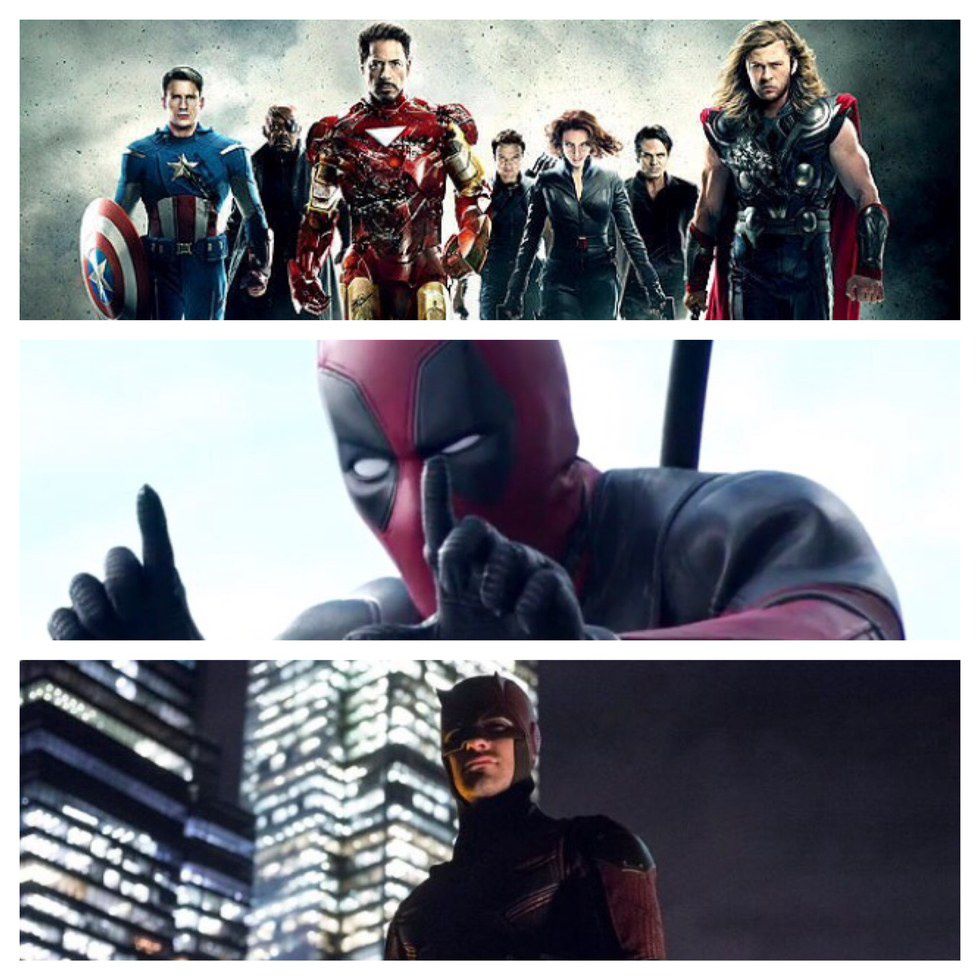
There is a counter argument to be made, though. One could say that the superhero movie is not confined to one genre and given the various tones that films and shows can take, there is more of a variety within superhero related media. You can have Action/Comedies such as Deadpool and Ant-Man, you can have shows that go into the supernatural such as Constantine, or you can have grittier shows and films like Daredevil, Jessica Jones, Arrow, and Batman vs. Superman. This media can tackle a variety of issues as well: Jessica Jones takes on the various aspects of emotional and mental abuse; Daredevil counteracts the societal idea that handicapped people are helpless; Captain America: The Winter Soldier sticks it, too. The Man regarding Project Insight, a government surveillance program reminiscent of 1984. The superhero film transcends being bound to a single genre and can appeal to a wide variety of fan bases. All in all, I think superhero films will be around for awhile, but I also think too much of a good thing can be a bad thing.