There's this special category of TV shows that can be called "blasphemous", the kind your conservative Christian parents wouldn't let you within twenty feet of when you were younger because of their bad influence. From the cult classic "Buffy the Vampire Slayer" to the upcoming "Damien" that will follow the adult life of the Antichrist, there has--and will probably always be--a fascination with the relationship between the evil and the supernatural. But why?
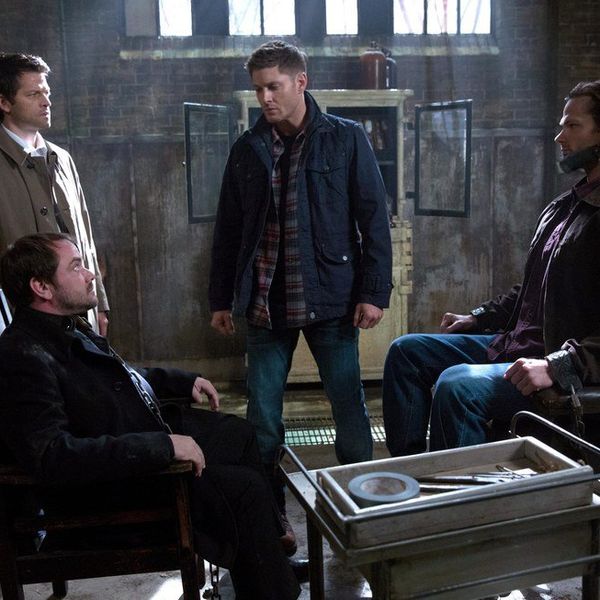
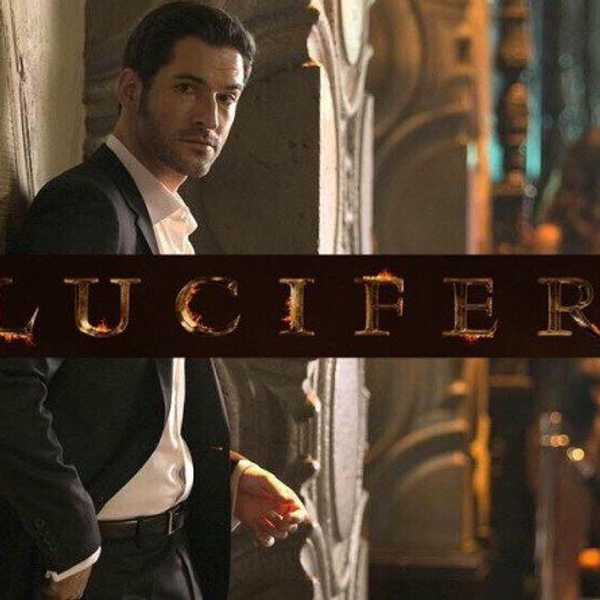
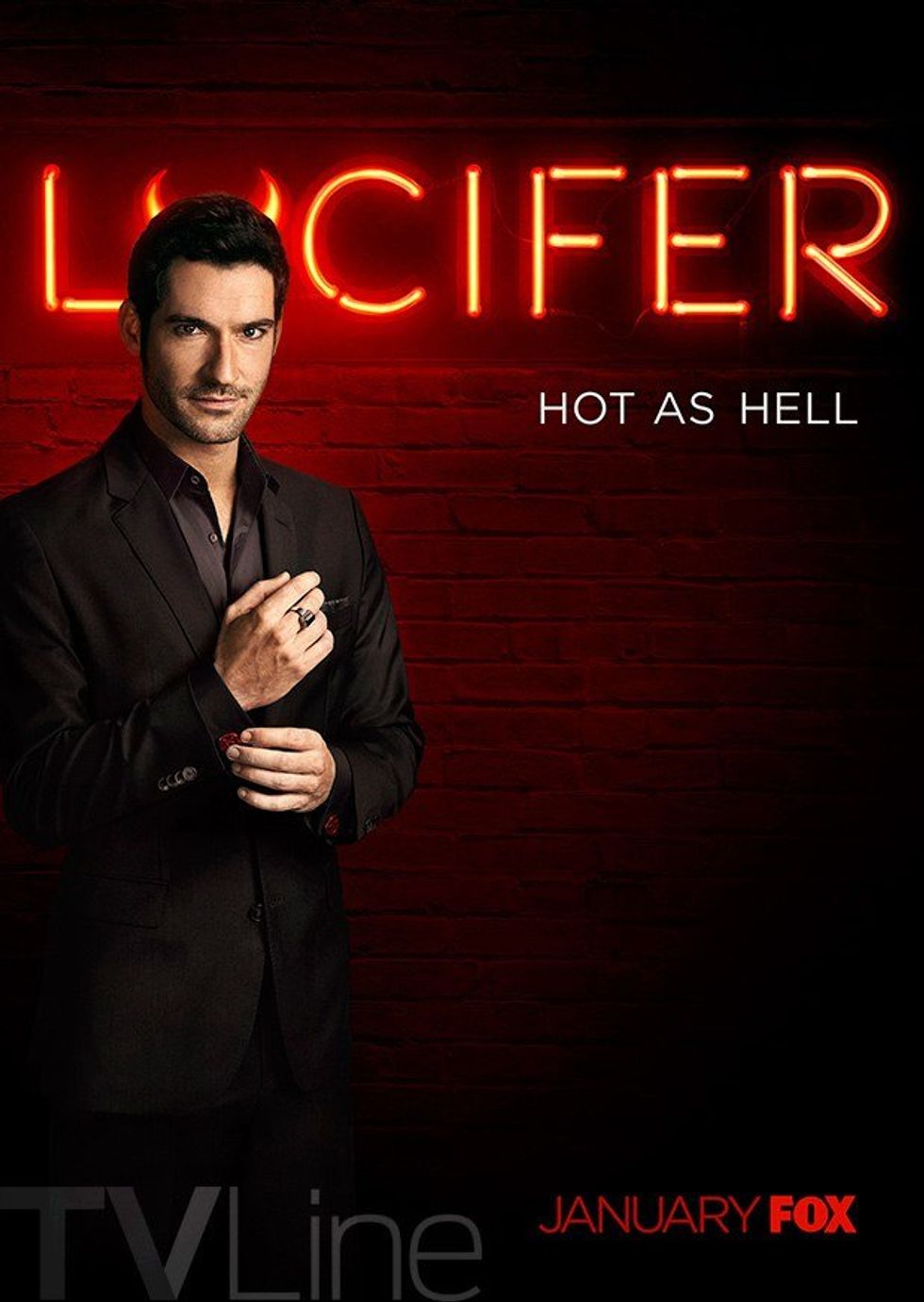
Well, part of what makes these shows attractive to potential viewers is that they're like the forbidden fruit. There's just something inherently enticing about seeing something you grew up believing to be wrong with serious consequences presented as entertaining, and maybe even sympathetic. For example, "Lucifer" is essentially a character study of the devil himself as he takes an extended vacation in L.A. while solving criminal cases in his spare time. He's charming, charismatic, and cheeky, which goes against the stereotypical red-horned image we have. Or maybe the long-running "Supernatural," which indirectly questions the power and authority of a curiously absent God, leaving humans to fend for themselves against supernatural creatures.
Scenarios like these are as amusing--or uncomfortable, depending on who you ask--as they are thought-provoking, because as Christians, they make us examine our own beliefs as we compare them with the ones presented in these types of shows. In a way, they test our spiritual strength in showing something that totally goes against what we believe.
We know that as seductive and tempting Satan can be, what he can offer us is nothing compared to the grace and love of God. "Lucifer" blatantly skews this truth, but it also takes the opportunity to explore the capacity of evil and the unpredictability of human nature, which is portrayed as something that inexplicably draws the devil in; a temptation for the tempter himself. "Lucifer" shows that it's not just the devil that you should be afraid of, it's humans too.
On the other hand, Christians know that God is all-knowing, all-seeing, and all-powerful. But "Supernatural" uses deism--a belief where God wound up His creation like a clock and just left--to emphasize how people can blindly cling to legalistic views of God to feel morally justified in their actions. In a world where creatures like shape-shifters and banshees are fought on a daily basis, "Supernatural" asks if God--a higher power perceived to be truly good--is worth believing in and why.
Whether or not you'd actually find these types of shows spiritually edifying requires discretion and discernment. Nowadays, it's all too easy to blur the lines between what looks good and what is good. And with how much of our daily lives is saturated in entertainment, it wouldn't take much to get sucked into a fictional world and turn your back on reality. But this applies to all forms of entertainment, not just the ones that use religious beings as plot devices.
If what you're watching is stirring up healthy discussion regarding your faith and you can clearly separate creative interpretations from the reality, it's probably okay. However, if you find yourself riddled with doubt and highly impressionable, you're better off binge-watching "Friends."