
Finding work is a daunting yet necessary task, and sometimes the importance of our genuine aspirations can get lost in the mix of reality. As young adults, we constantly struggle to find a balance between work and leisure. Quite often we ask ourselves if it’s even possible to live a life where both are of equal importance. Despite life’s complications, there are ways to do so. With a solid sense of value and a healthy dose of reality, we can obtain this work/life balance. Zane Osler, a Denison student and aspiring photographer, gives us some insight into how whee was able to find a happy medium between profession and passion.
1. You were recently hired to work as a photographer for Rustic Pathways at their location in Fiji. Can you tell me a little bit about what you'll be doing there?
So Rustic Pathways is a global, immersion-based program that gives those involved an opportunity to experience different cultures in really authentic ways. The program values both philanthropy and leadership, so kids learn the importance of both by helping to build clean water facilities and constructing school buildings in underprivileged communities. I’ll be facilitating those events while also encouraging the kids to reflect upon the impact they’re making. The other part of my job is to produce compelling, honest, and visually captivating images in order to sell that experience. So my objective is to capture the authenticity of the program in a commercial format.
2. So clearly photography is your passion. What draws you in about the subject?
I’ve always been interested in art, both of my parents are architects, so I was raised to think critically about art from a very young age. That alone was really influential because they encouraged me to find ways to analyze space in order to create an image that suggests something more than what’s actually there.
3. So is it the aesthetic of photography that intrigues you?
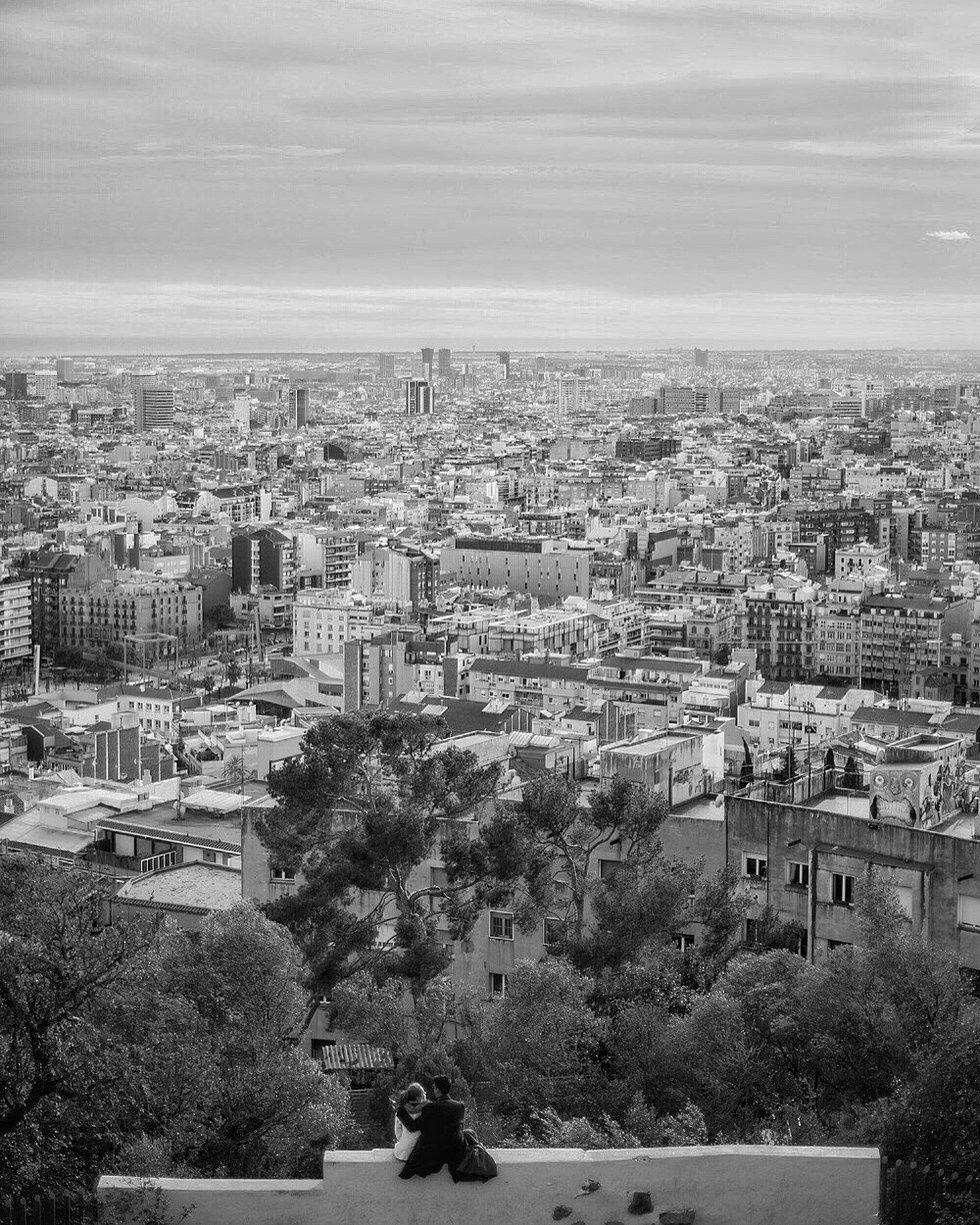
The aesthetics definitely draws me in, but it’s also the implicative element. Photography is a different medium from something like film or writing because you only have one shot to capture everything you are trying to convey. So to get someone to feel a certain way from one still image and create that experience for them is a really incredible concept to me.
4. There’s a preconceived notion that trying to pursue a career in art of any form - writing, photography, film - has limited opportunity. What drove you to pursue photography as a career?
There is definitely some cynicism that comes with having art-based career aspirations. I’ve been told so many times that photography is a challenging career path, mostly because it's really hard for artists to sell their own work. That being said, I think we just have to focus on finding an avenue within our chosen art form that offers commercial attractiveness. For example, my parents are architects, so they are able to channel their own creativity in order to develop structures and frameworks that are aesthetically pleasing to others. So as long as you find that artistic avenue, you can do what you love and still make money!
5. What would you say is the biggest challenge in finding this avenue as an artist?
There are a ton of obstacles that artists face, but I would say the most common one is finding a balance between producing work that is true to you but also true to the business you’re representing. That’s a big obstacle within photography. As a photographer you are the vessel through which the audience sees the company, so you have to be really cognizant of what the company wants you to create. For example, if I’m working on a commercial project, I really don’t have that much say in what message I want to send because it’s the company that’s at stake, not me. So the obstacle is that I kind of have to let go of what I want the piece to be and alter my artistic preferences to theirs. I think that’s a challenge artists have to face a lot: being OK with letting go of your own artistic intuition and altering your work according to what is best for the company. Remaining open to these realities allows you to maintain the balance between producing work for yourself and and producing work for the company. You have to live a life where you are able to do both because one can’t exist without the other. I can’t produce images all the time that only I think are cool because that’s just not sustainable, but at the same time, I can’t lose sight of what makes my photos so authentic to me. The goal is to find a balance and be happy with it.
6. Finding that balance seems like a difficult process, especially right out of college. What would you advise to those who are having trouble finding it?
No matter how big or small, seize any opportunity that is going to help you learn what you, and only you, see as valuable, and get everything out of that experience you possibly can. I’ve been working on photography for my entire time at Denison, and it’s had its hardships and it will continue to be hard to maintain that balance, but seeing the opportunities that I’ve been able to create for myself with just a camera in my hand is incredible. Photography has allowed me to see the world in a different way, literally! So my advice would be to never undervalue any opportunity, because each one is a chance to learn more about your passion. Also, never underestimate yourself or your skills. You are more capable than you think. The way you go about finding a balance is going to be different from everyone else’s, and that’s OK! Only you know what is truly valuable and as long as you trust yourself, you will find a happy medium.
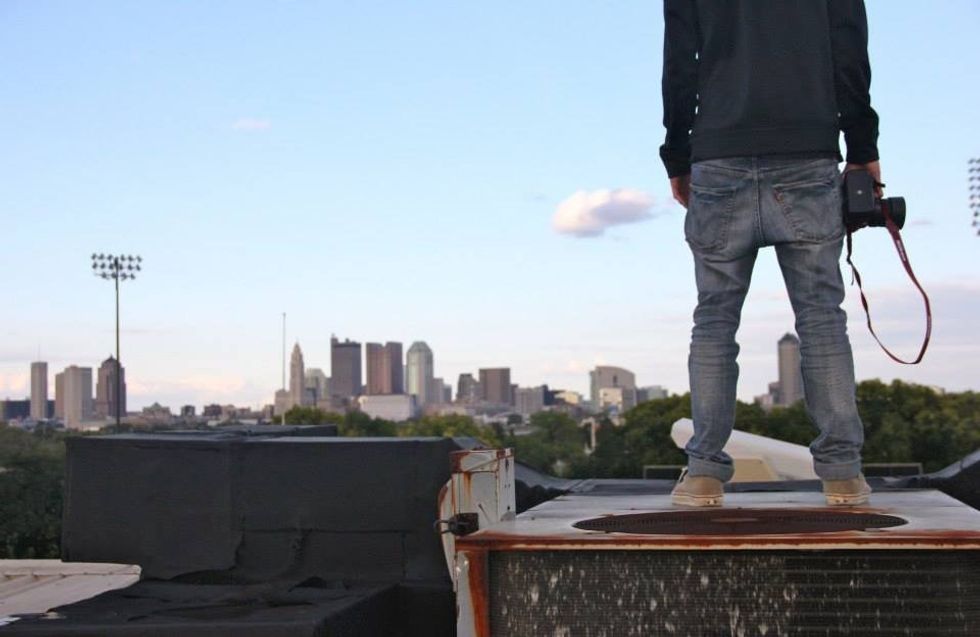
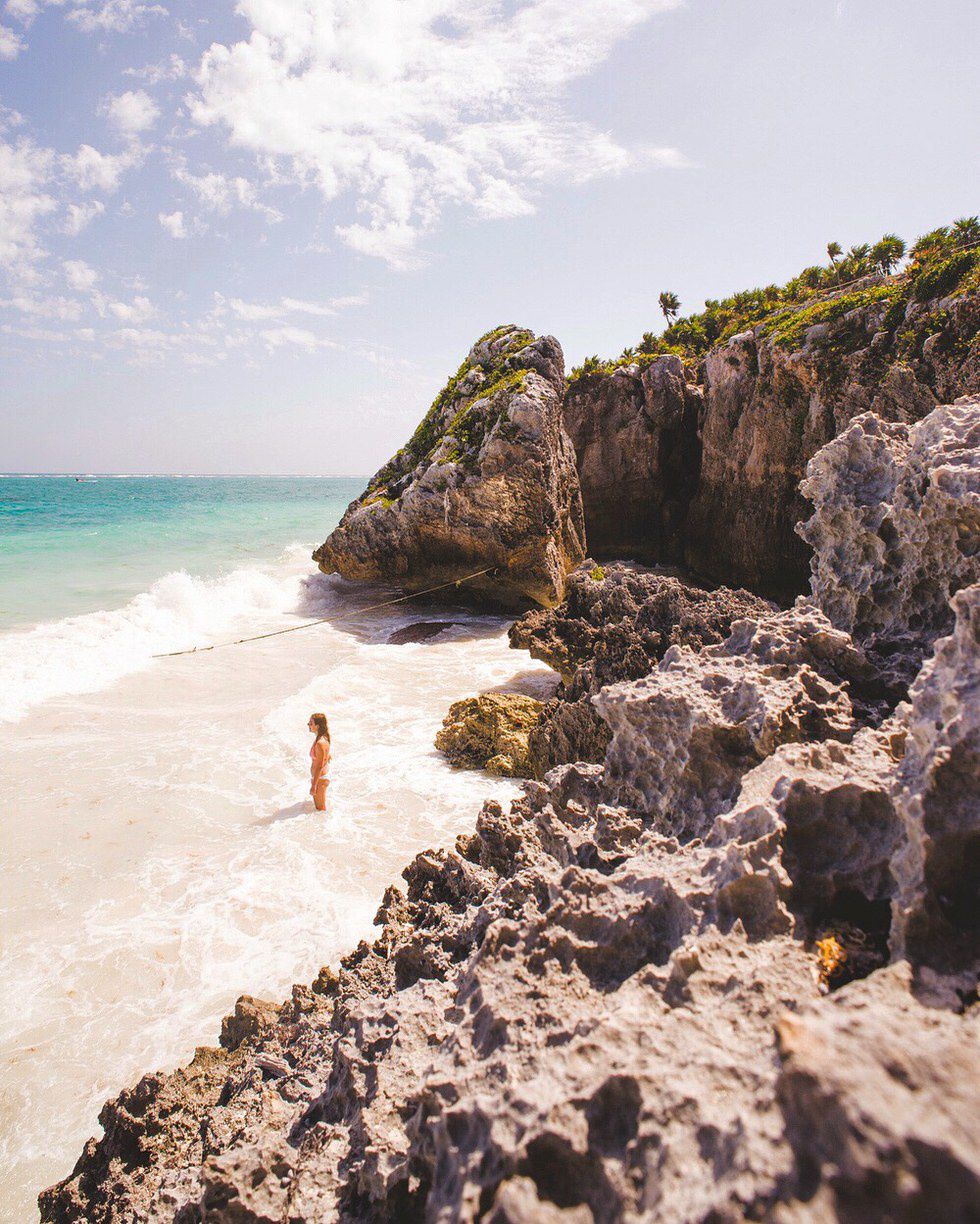
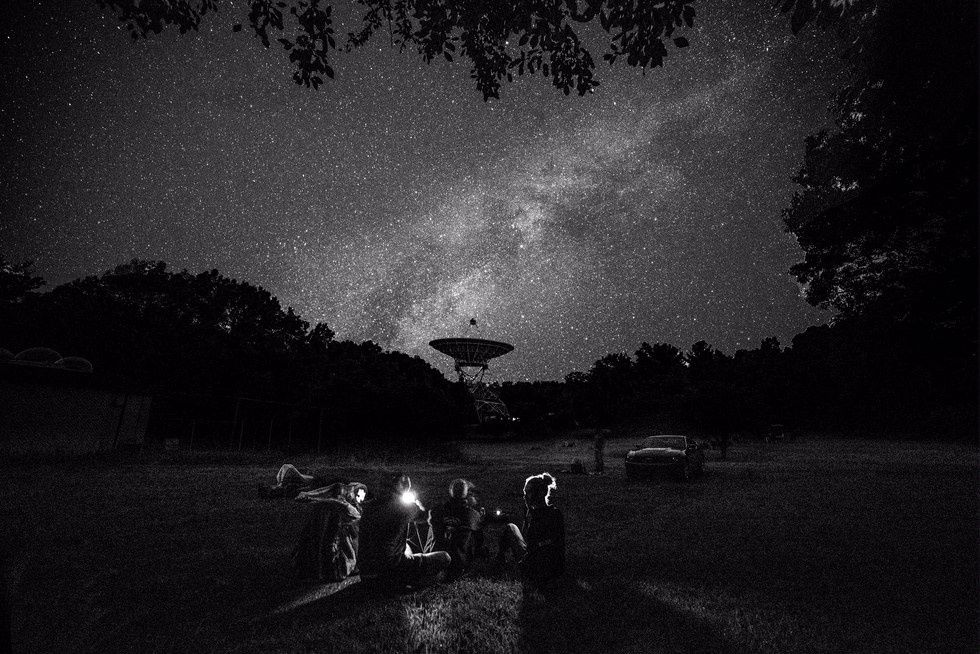
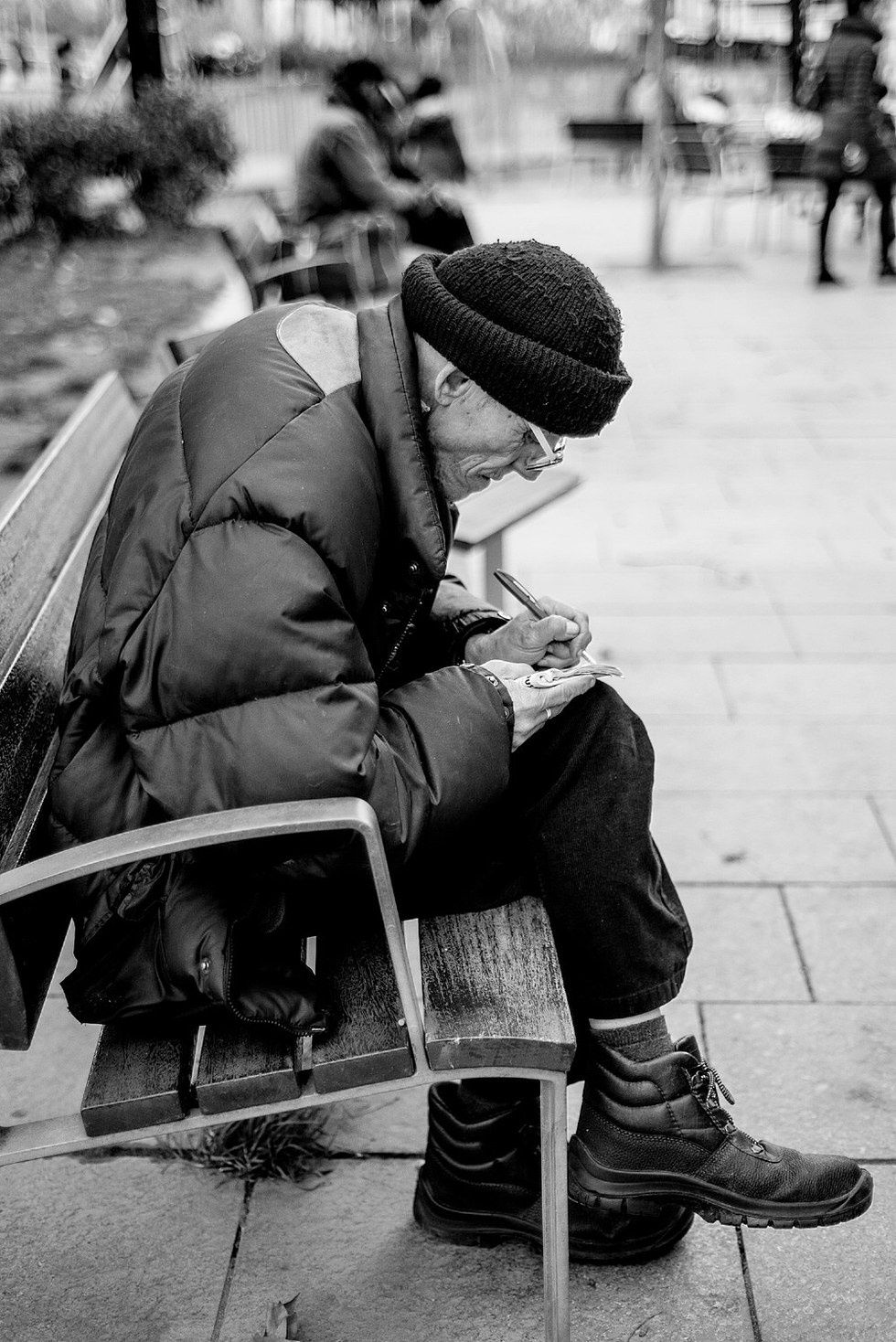
(All photos in article taken by Zane Osler)