
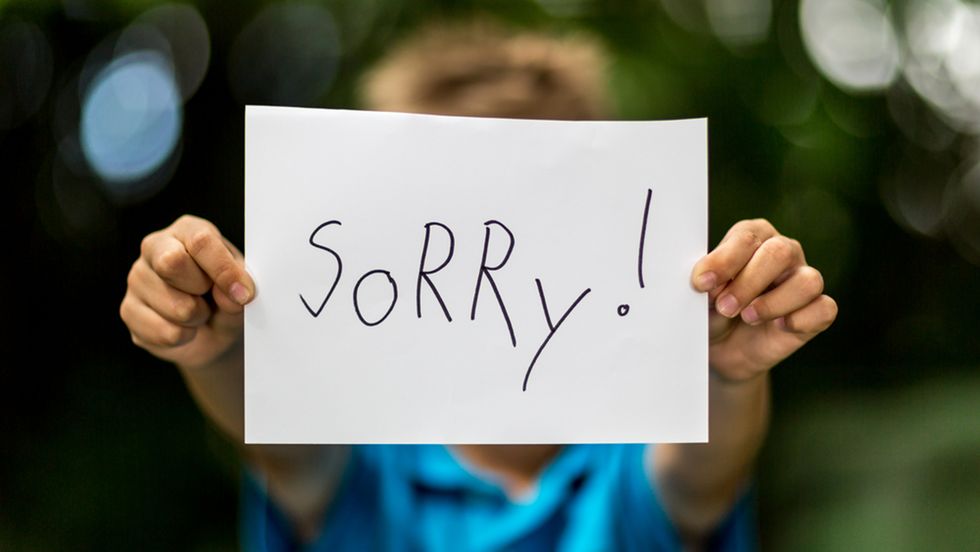
We all have a habit of over-apologizing even when we have nothing to apologize for. I actually think this habit stems from our natural kindness and our tendency to worry about others, so you're probably thinking, 'How can this be a bad thing, then?' While you should of course apologize when it is necessary, saying sorry only becomes a problem when it is overdone. I'm sure most of you understand what I'm getting at, but here are just a few examples.
1. Stop apologizing for bothering someone.
Again, we tend to apologize for taking up someone's time or energy because we think we're being a nuisance, but the fact of the matter is, asking for help when you need it is a good thing. Whether you're confused about a project at work or you don't understand an assignment's instructions for class, don't feel like you need to apologize for being human. We all ask for help in these instances, and there's absolutely nothing wrong with that.
2. Stop apologizing for being unsure of yourself.
If you're voicing an idea for the first time or you're trying out a new hobby, there's no need to apologize for not being the greatest at something. The whole point of life is to learn, and no one is a genius on the first try.
3. Stop apologizing for taking up space.
Whether you're referring to metaphorical space in someone's mind or physical space in a crowded elevator, you don't have to apologize for being there. That's basically apologizing for existing, and it's unfortunate, but we all do this a lot more than we might think.
4. Stop apologizing for not fitting someone else's expectations.
Never apologize for being who you are, and if others aren't able to understand your quirks, your talents, and the things that make you awesome, they don't deserve to spend time with you anyway. Always remember that you don't have to change anything about yourself to please someone else.
5. Stop apologizing for not knowing what else to say.
Not only do we apologize for the things we do say, we apologize for the things we don't say too. Maybe you don't know how to make small-talk or you feel like you should've said something instead of what came out of your mouth during a conversation, so you apologize.
Now, I'm not trying to say that you should never apologize again in your life, but just think about how often you really do utter the words, 'I'm sorry' and evaluate whether or not it was necessary to say it in the first place.

















