
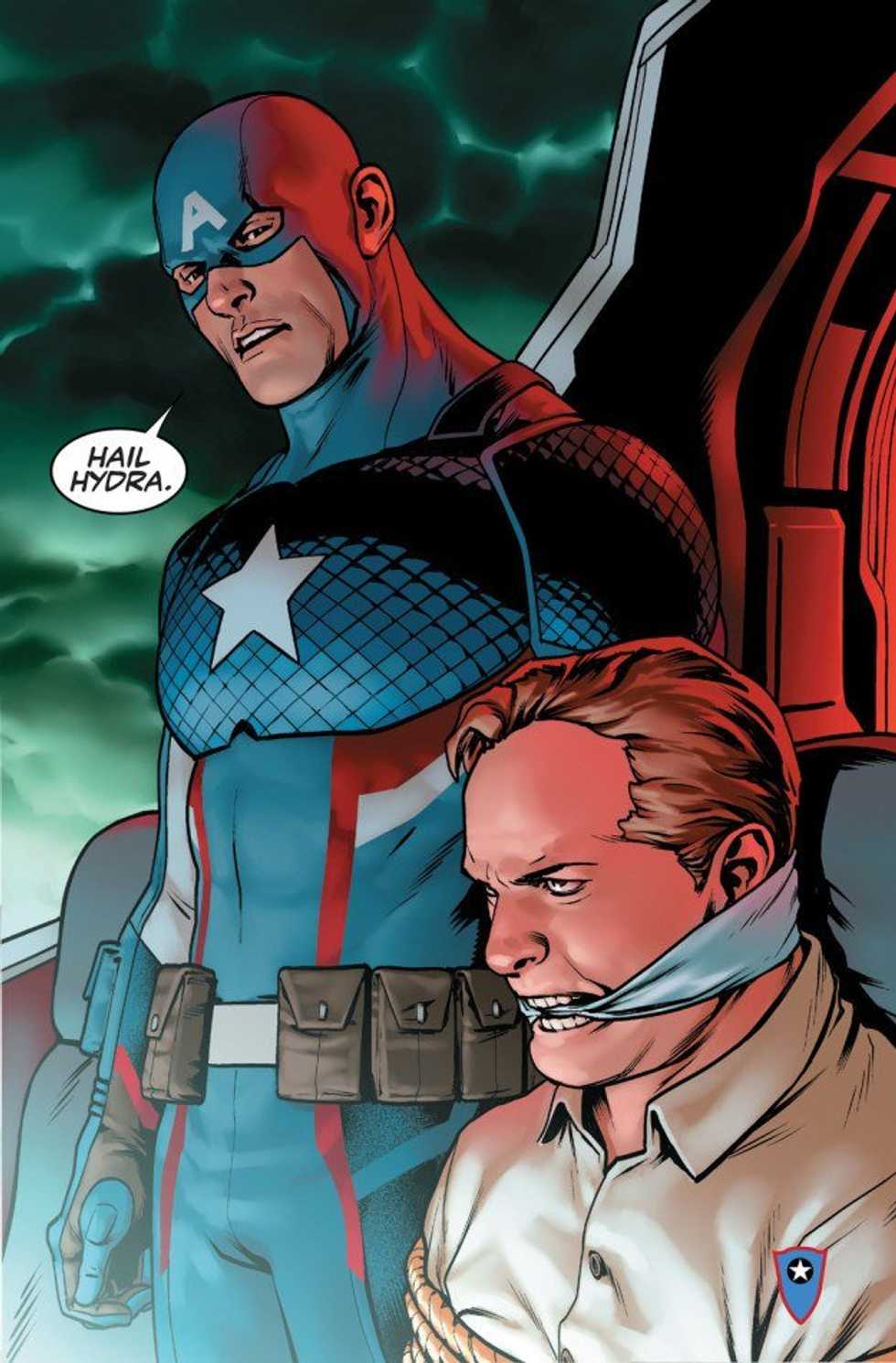
Wednesday is standard for most comics to be released. The newest run of Captain America -- featuring the original Captain America, Steve Rogers, in the lead -- was part of this Wednesday's releases. Many readers, however, were shocked to find out that Captain America has been in support of HYDRA all along.
Captain America, who first appeared in 1941, was written by Joe Simon and Jack Kirby, two Jewish cartoonists in New York. Steve Rogers, the man under the stars and stripes, stood to fight the Axis powers of World War II. HYDRA, a branch of evil, former Nazis, came into the Captain America story line in the 1960s, quickly becoming one of Rogers' biggest foes.
Many people may recognize Captain America from the Marvel Cinematic franchise, where he stands for what's right, even if it means going against the law. For 75 years, Captain America has been a representation of what America needed to see at the time: a super soldier fighting Nazis in the 1940s or a man standing up against an organization which uses fear as a way to keep humanity in check in 2014. If this were the case, why would writer Nick Spencer, writer of the current run, choose to turn beloved Captain America into one of Marvel's newest and biggest villains?
In an interview with Time Magazine, Marvel editor, Tom Brevoort, said Captain America's alliance with HYDRA "means on the most fundamental level that the most trusted hero in the Marvel universe is now secretly a deep-cover Hydra operative, a fact that’s really only known to the readers and to him. That makes every interaction he has with anyone take on a second layer, a second meaning."
One man's "second layer" is another reader's shock value. Not only is this a tactic to jolt readers into reading the new run, it's inconsistent, and, as the interviewer suggests, gimmicky.
Brevoort replies, "to say it's a gimmick implies that it’s done heedlessly just to shock. The proof is always going to be in the execution. So you’ll have to read the rest of the story to see," and assures that Cap's alignment still makes sense when readers look back. However, the new allegiance ignores the 51 years writers have spent pitting Captain America against HYDRA. If, after all this time, Rogers had sided with HYDRA, at some point it would have slipped out.
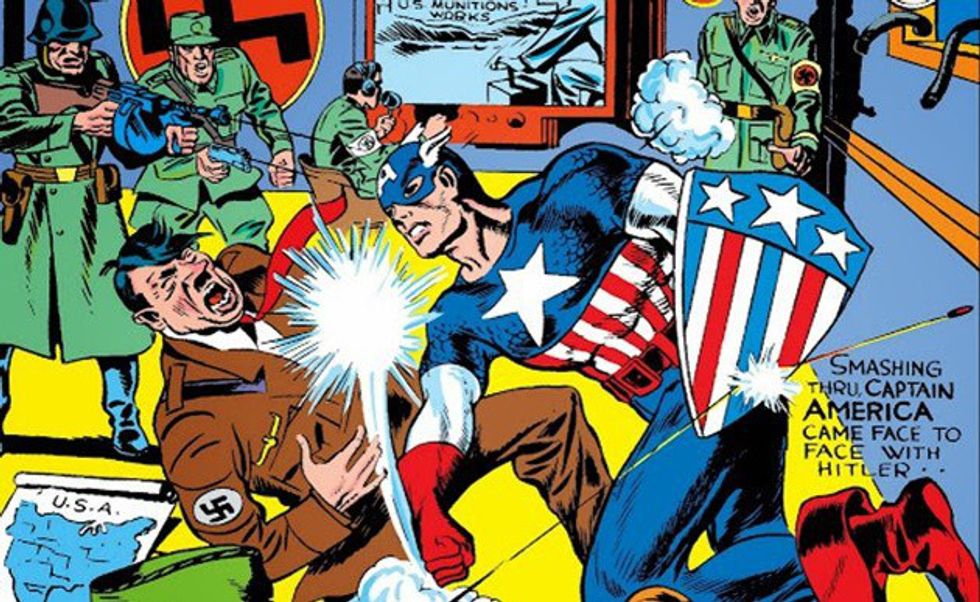
The first image of Captain America ever put out to the public was a picture of him punching Hitler in the face. Captain America was meant to be political from the very beginning. A character created by two Jewish men during World War II, designed to fight their oppressor, has somehow turned into the oppressor and has been written off by Brevoort as being a political message. He says, "You should feel uneasy about the fact that everything you know and love about Steve Rogers can be upended."
Again, this is sloppy writing. Taking a character whose development has been in the works for 75 years and twisting everything just to sell copies is not challenging a reader. It's trying to get a profit. A protagonist teaming up with the bad guys has been done in comics before, so much so, it exists as an easy way out. What better way to make a superhero interesting than to turn them into an edgy supervillain? The characterization is sloppy, and despite Brevoort's tip to read the rest of the story, after a start like this, I'd say pass.
















