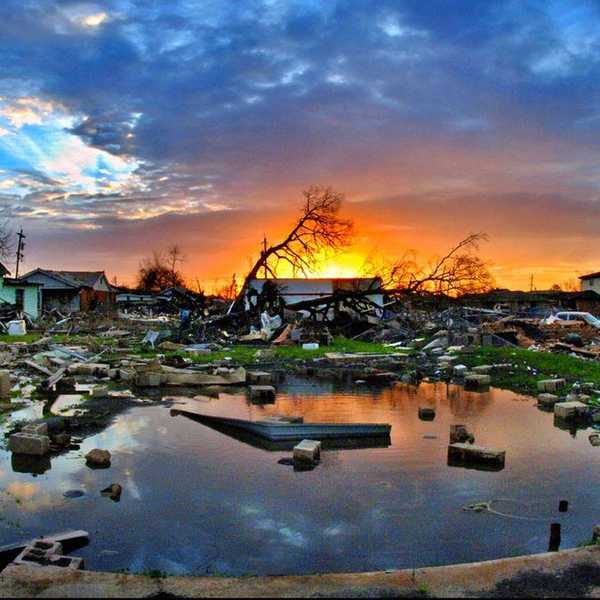

Inhabitants of the Atlantic and Gulf coasts are no stranger to tropical storms. The millennial generation itself has been witness to some of the most detrimental storms in history. A record-breaking number of hurricanes in 2005, 28 to be exact, opened their eyes to the power hurricanes encompass. Katrina prepared them for the 170 named storms to come from then to now; October 9, 2016. Today hurricane Matthew came to an end, but it has left behind inconsolable damages and is still making an impact. Matthew has since been downgraded to a post-tropical cyclone, leaving over eight feet of flood waters.
Fortunately, many of those failed to strike land, remaining only over the ocean. Unfortunately, of many those that did strike land, like Matthew, caused fatal damage. The United States and Haiti have felt the worst of it. Thus, it is important that the people of these countries are educated on how they operate and better yet, how to interpret what is meteorologists are trying to tell us. So, how do hurricanes work?
Hurricanes only become classified as hurricanes after they have gone through the process of upgrading. First is a tropical depression which AccuWeather refers to as "a low-pressure area accompanied by thunderstorms that produce a circular wind flow with maximum sustained winds below 39 mph." A tropical depression is then upgraded to a tropical storm when "cyclonic circulation becomes more organized and maximum sustained winds gust consistently at or above 39 mph and no higher than 73 mph." AccuWeather explains that it only becomes classified as a hurricane when "sustained winds increase between 74 mph and 95 mph." Hurricanes are classified on the Saffir-Sampson Scale from categories one to five.
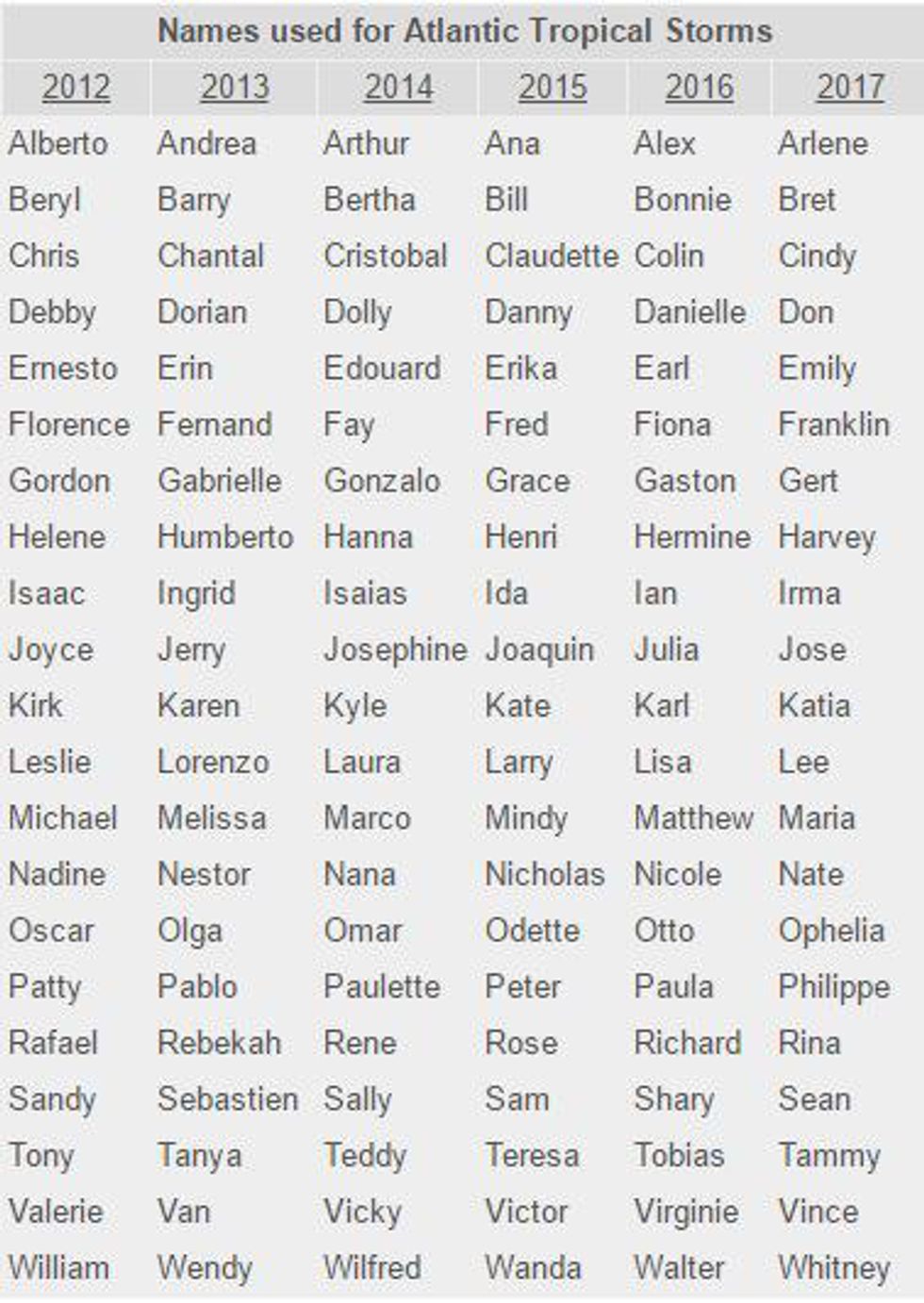
Tropical storms and hurricanes are named in alphabetical order that restarts each year. A name can only be reused after a span of six years, unless it has been retired, like Katrina in 2005 or Irene in 2011. It seems these names often adapt concrete connotations to be associated with due to the scars they left behind. These may seem like minute details the weather man could tell you in a matter of seconds, but they are important to know. Global warming is progressing at a much more rapid pace than people would like to admit and storms like Matthew have the potential to increase in frequency. Never be afraid to educate yourself on something that could one day, save your life.
(Photo Credit: Geology.com)