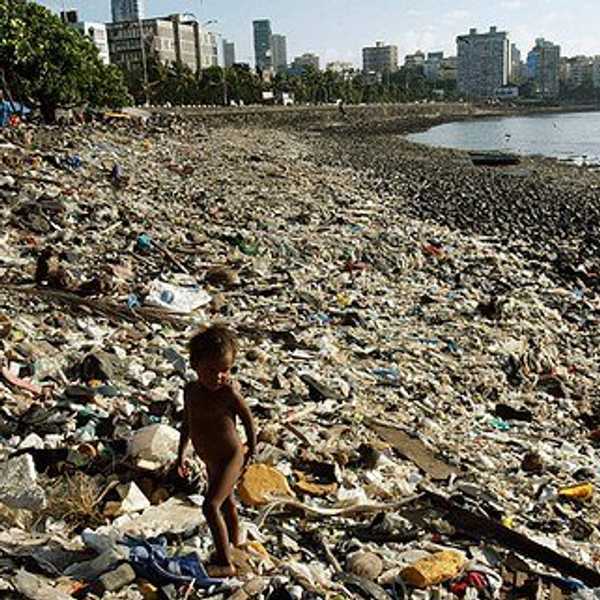


One in four people in Sub-Saharan Africa are food insecure.
One in seven people in America are food insecure.
There is a difference of just three people between two areas that are nothing alike.
Food insecurity is defined as “consistent access to adequate food being limited by a lack of money and other resources at times during the year.” Or, in other words, food insecurity is not knowing where you will get your next meal, how you will pay for it, or what exactly it will be.
A little less than 800 million people across the globe struggle with getting the correct amount of food and nourishment. No region of the world goes unaffected, yet some struggle with food insecurity more than others, and developing countries normally have the most people struggling to feed themselves. Nonetheless, even developed and wealthier countries, especially the United States, have a long ways to go in preventing food insecurity.
The United States is the eleventh wealthiest country with an average GDP (per capita) of $55,904.30 making it a high-income country. Most Sub-Saharan African countries are low-income with some having as low of an average GDP (per capita) of $600.
In America, we readily have access to clean water and education from public schools. We have amazing infrastructures for houses and skylines. A vast majority of people living in Sub-Saharan Africa do not have access to these luxuries. Knowing all of this, it is difficult to comprehend that while 25 percent of people are food insecure in underdeveloped Sub-Saharan Africa where resources are scarce, but 14 percent of people are food insecure in resource-filled America.
Every year, 30-40 percent of America’s food supply is completely wasted. If even just half of this food is kept and used, it would prevent food insecurity in the United States and there would still be enough to have leftovers. The problem in America, unlike in Sub-Saharan Africa, is not a lack of resources. The problem in America is that the food industry is impeccably wasteful when their extra food items could be put toward creating a better nation: one where every single person has access to enough food to be healthy, where every single person knows where their next meal is coming from.
How is it that an area of the world which is considered one of the most prominent countries in the world is just 11 percent better at fighting food insecurity than a nation which continues to struggle with basic democratic freedoms, economic security and political stability? As one of the world’s leaders, the United States has the ability to end hunger in America. Yes, it may be difficult to develop and introduce policies and plans which would delegate food to those who need it, but all major changes that better a nation come with a struggle and with obstacles. A change in what we do with our extra food supplies would do nothing but better the lives of millions of people. This would set the standard for other developed nations to take the concept of hunger seriously as well. Rather than barely beating developing regions in the amount of people who have constant access to food, we would be able to eliminate the lack of access.