

I think humans are pretty cool. I mean, when we're discussing ethics, perhaps humanity is lacking in several departments, but what we've been able to achieve collectively, as a species, never ceases to amaze me. We've developed language, culture, art and technology, among various other things. And we've done this all through collaboration with one another, building upon the work of our ancestors and working with other communities and groups of people to collect, distribute, and create information. The stuff we do is kind of amazing.
As a species, we don't know how not to ask questions, and we certainly don't go by the whole "If it ain't broke, don't fix it" thing. We're going to ask questions, and we're going to figure out why stuff happens the way it does. And once we figure that out, we're going to make it our business to do something with it. To me, human achievement is encapsulated in the questions we ask and answer, and the problems we create and solve.
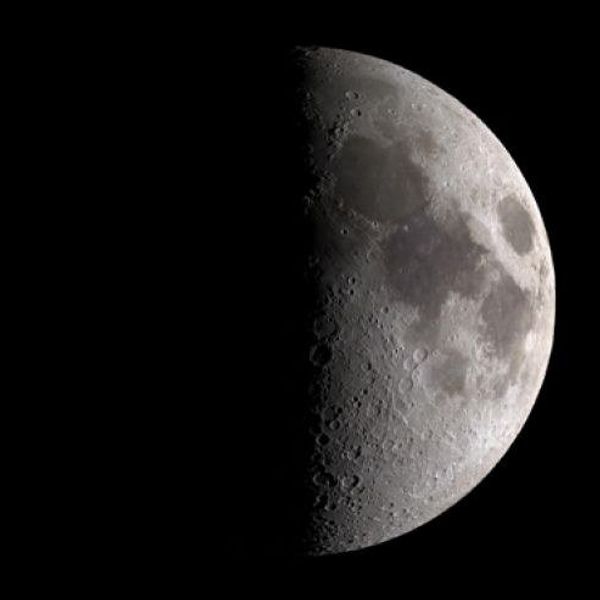
While I won't say that they're the pinnacle of human achievement, astronomy and astronautics can certainly be called the flashiest, and that's probably why they're my favorite. They also serve as a great example of the way we ask questions and solve problems. We've always been fascinated by the sky, whether that's been for religious, agricultural, political or scientific reasons.
Astronomy is a subject of study nearly as old as humans are. From Babylonian star charts to planned manned missions to Mars, we've come a long way. Many ancient civilizations created various astronomical structures, such as the pyramids of Giza, which aligned with the three stars in the belt of the constellation Orion, or the Namoratunga stones in Kenya, which acted as a calendar and aligned with seven stars (beta Triangulum, Pleiades, Aldebaran, Bellatrix, Central Orion, Saiph, and Sirius). Ancient structures of similar astronomical utility have been found around the world.

From there, people have mapped the skies, built observatories, and created technology to help them observe the stars. One of the earliest astronomical tools was the astrolabe, which was a navigational tool depicting how the sky looked at a given place and time. Another, more modern tool was the telescope. As is commonly known, Galileo Galilei was the first to use telescopes to look at the sky in the early 1600s. Pointing lenses toward the sky revolutionized humans' relationship with the stars.
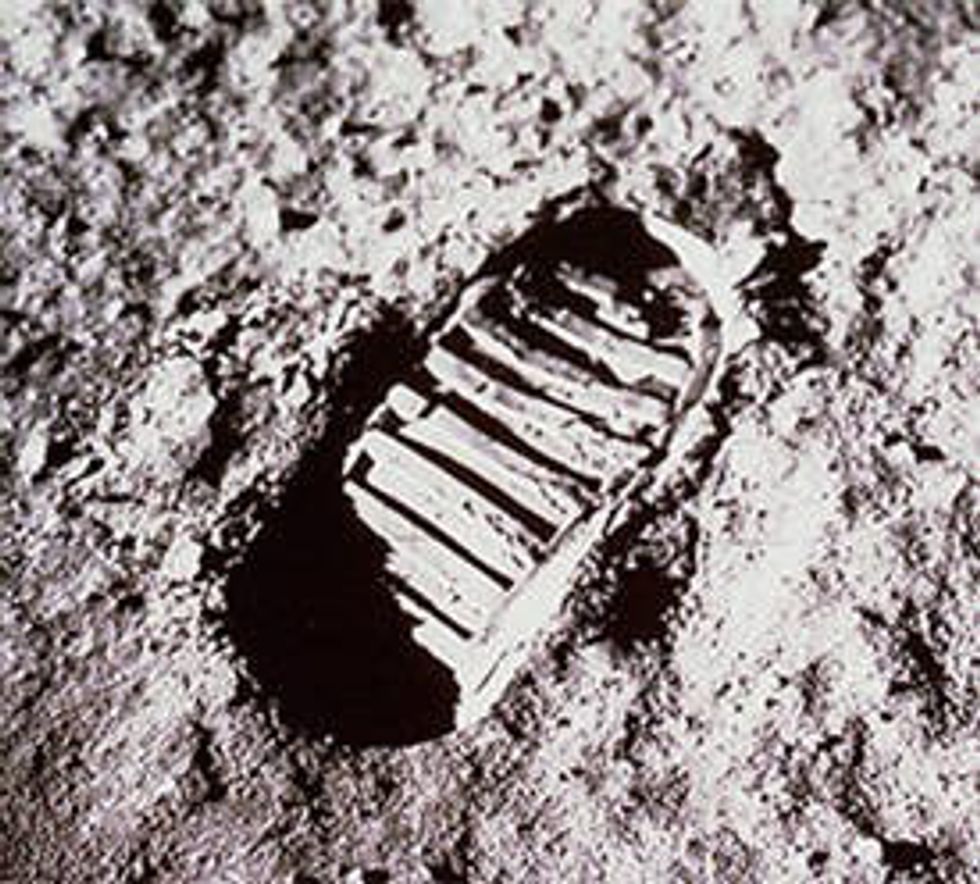
Fast forward to 1957, a year that sat comfortably in the Cold War. On October 4 of that year, the Soviet Union launched Sputnik 1, the first artificial satellite sent to space. The first manned space mission took place on April 12, 1961, and the first human sent to space was Yuri Gagarin. He was Russian, of course, and since this happened during the Cold War, Americans had to do something bigger. So on July 20, 1969, they did just that by landing humans on the Moon. As you probably know, the person to gain the distinction of being the first to step on the Moon was American astronaut Neil Armstrong.
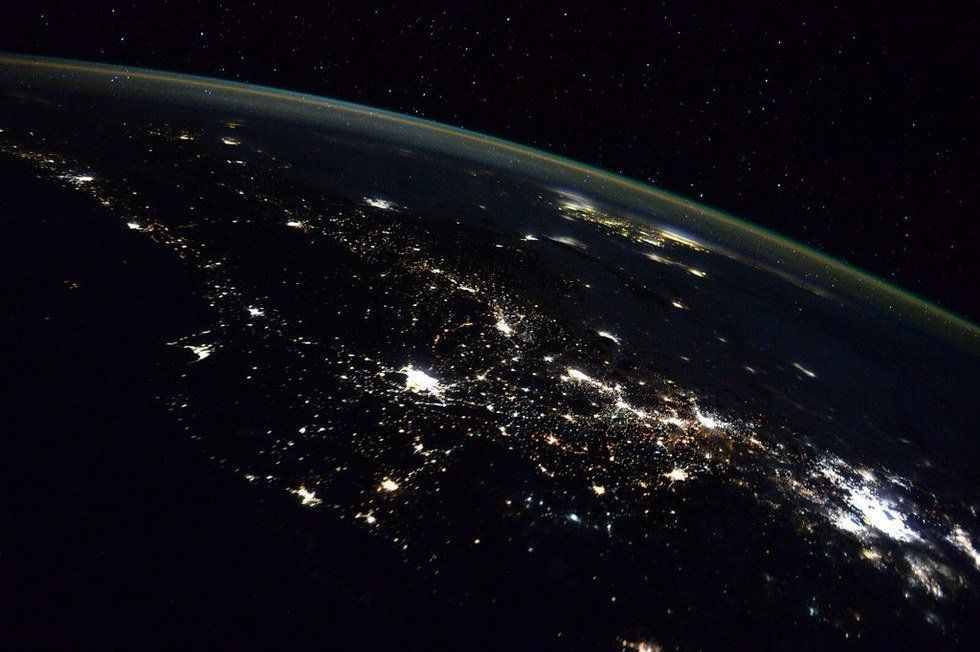
Since then, lots of space missions have come and gone. The first space telescope, the Hubble, was launched on April 24, 1990, which revolutionized observational astronomy. Many space telescopes followed after, and on November 20, 1998, the International Space Station (ISS) was launched. This space station has been in orbit since and has been continuously occupied by astronauts and cosmonauts since November 2, 2000. We now have a space station orbiting the Earth, spacecraft that have reached the outer limits (depending on how you define that) of our solar system, and plans for humans to visit new worlds (more specifically, Mars).
We've come a long way from our naked-eye observing origins, and we've got plans for even longer journeys ahead. We've been persistent with our fascination with the stars, and the things we've accomplished with it are incredible. I guess you could say that we've always been pretty starstruck.
















