
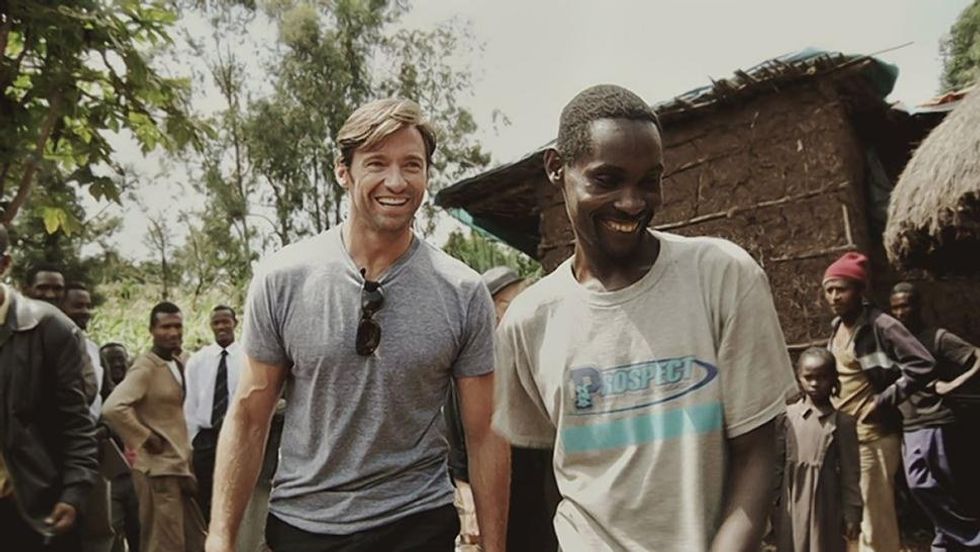
The famous X-Men actor, Hugh Jackman, is more concerned about fair trade coffee than having rock hard abs in his role as Wolverine.
It started eight years ago when the 47 year old actor, Broadway star, and world wide male phenomenon sponsored a child through World Vision, a global nonprofit that attacks root causes of poverty. Soon after Jackman became an ambassador for the organization, traveling to Ethiopia, and filming a documentary based on World Vision’s involvement in the communities, particularly in coffee farms.
In 2011, Jackman launched The Laughing Man Coffee Foundation where his dream for conscious consumerism and fostering sustainability became a reality. In June, Keurig announced their partnership with Jackman’s coffee brews in order to fund community development efforts in underprivileged regions of the world. Fair trade is more than just a form of international trade, it is a movement.
What Is Fair Trade?
Fair trade production promotes sustainable conditions for farmers and gives workers the opportunity to earn wages and efficiently provide for their families. Fair trade organizations create trading partnerships that are based on conversations with locals and respect for farmers therefore creating greater equity in international trade. It’s honest and respectful—the way all international trading should be but sadly, is not.
How To Buy Fair Trade Coffee
Coffee brands such as Peace Coffee, Equal Exchange, Stumptown Coffee Roasters and more sell certified fair trade organic coffee, ensuring the improvement of eco-friendly farming and conscious trading. Starbucks coffee is known to sell 8.5 percent of their products as certified fair trade. The rest of their coffee is “ethically sourced elsewhere.”
There are ways to also give to those who are in need of education, food, and even clean water. Nonprofits such as Toms: One for One have a organization where each bag of fair trade coffee beans sold, 140 liters of safe drinking water is provided to a community in need.
Being mindful of what you are buying is all that matters; ask waiters at restaurants, read packages at the supermarket, and become aware of where and how your coffee is produced.
The Importance of Fair TradeBuying Fair Trade Coffee not only benefits the workers and their families, but also the environment. The amount of harmful chemicals in the soil is minimized, making it safer for the farmers and consumers. It supports communities and contributes to the improvement of education, housing, and healthcare.
Let's join Hugh Jackman in the movement toward fair trade coffee, one brew at a time.