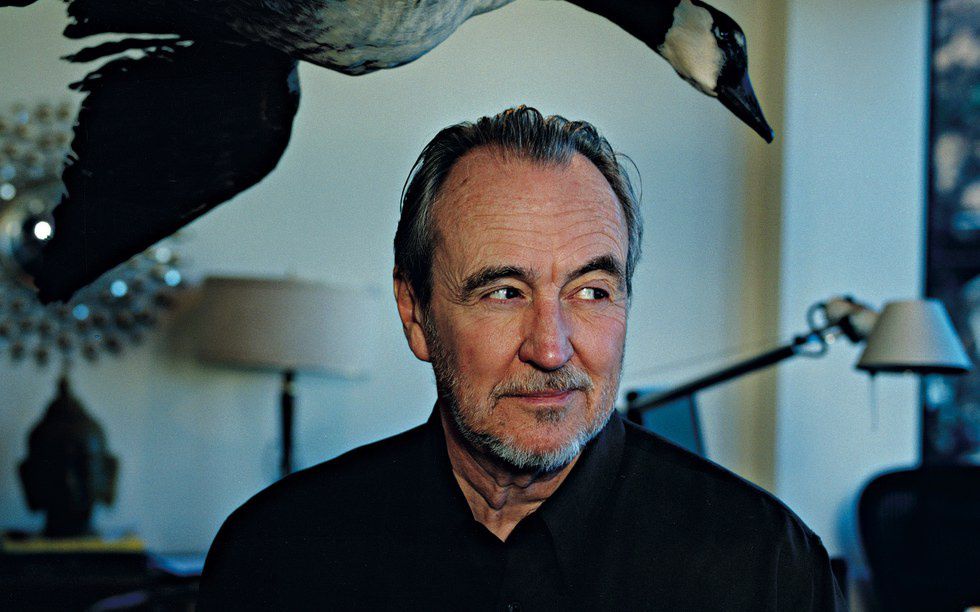
In the midst of a poetry reading in my boyfriend’s apartment last night, somewhere between my sixth drink and third cigarette, I found out Wes Craven had died. I ran into the kitchen, made a drunken announcement to my friends, then proceeded to silently go on with my evening. After everyone left, I broke down and cried. I woke up this morning feeling like I totally overreacted, and that maybe I was just having a meltdown of some kind that was inexplicably triggered by a favorite director dying, and before I could collect myself I had a panic attack.
Here’s the thing: this is not, in any simple, or even relatable way, about Wes Craven dying. Except that it totally is.
Allow me to explain. Halfway through this summer, my father went in to do a stress test for a simple routine eye procedure. They found a blockage in his heart, and he ended up needing open heart surgery. During his surgery, on her way to the hospital in Pittsburgh to see him, my mother got a call that my grandmother was dying. A week after my grandmother’s funeral, I began having nightmares and flashbacks to when I was with my abusive ex-boyfriend. All of these things may seem unconnected, aside from their crummy timeline, but each disaster, no matter how small, connects.
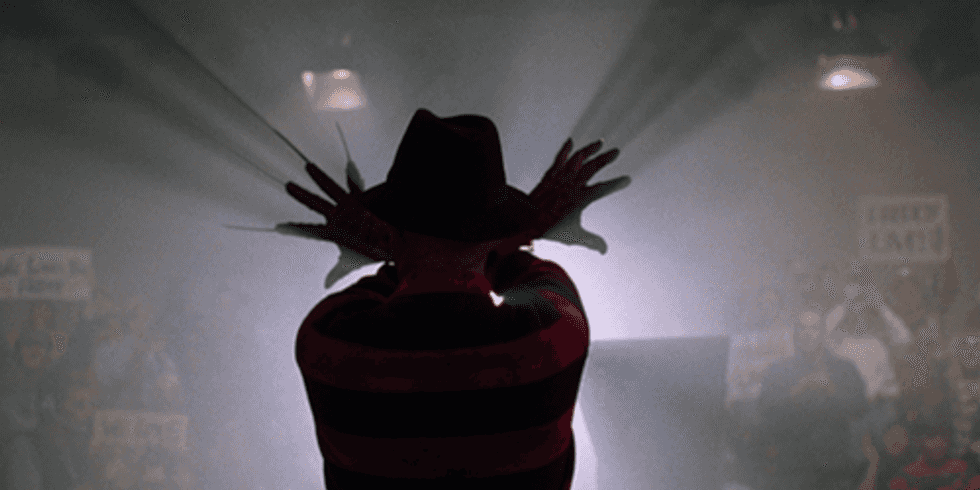
First, my father. My father is my best friend, and is no stranger to health problems. Type I Diabetes. Colon cancer. Heart disease. He has been in and out of hospitals for most of my childhood and, now, my adult life. My father is my best friend, is single-handedly responsible for my love of horror movies, and is a huge fan of Wes Craven. Nightmare on Elm Street is almost religious to my childhood, with Freddy Kruger being a macabre and terrifying (but mostly punny) icon of evil, and it was the first movie I had seen where I felt like I was automatically cool because of it. As a kid, I got picked on for liking moves about monsters and killers and the supernatural. That all changed when I got to watch Wes Craven, because I was allowed to be into something that other kids had only heard of. My father and I would both laugh and cringe along to films like New Nightmare and The People Under The Stairs. I would find solace in my father allowing me to watch Scream after my mom had gone to bed, even when I was grounded. I cried over (and got over) boys while watching The Hills Have Eyes. Horror movies, particularly Wes Craven’s horror movies, have narrated my bond with my father and have built him up to be the coolest man in the world.
While he was preparing to go into the surgery, I was absolutely terrified of losing him, even though I knew he had been through similar things before and was the luckiest human being I had ever met, health-wise. All the slasher films, serial killers, and spooky houses paled in comparison to how paralyzed I was by the thought that his luck might run out eventually. So much so, that the very real and inevitable loss of my grandmother did not even feel possible to me.
I was filming a vampire movie when my mother called to tell me that my grandmother probably wouldn’t make it through the night. Because I was at work, I did not allow myself to cry. I filmed until 1 in the morning, went home and proceeded to pass out, and woke up to no missed calls or frantic voicemails. My grandmother had lived. No calls came all day, until the next morning, when I checked my phone to see that my mother had texted me at 5:00 a.m. “Call me when you get this.” I knew.
Like my father, my grandmother always encouraged my desire to one day make movies. In the last years of her life her memory was failing, she was often delirious and would mistake who was who, but she always remembered that I went to film school in Chicago. “This is my oldest granddaughter,” she would always tell her nurses, and, beaming, remind them that “She makes movies.” I went home for the funeral, which was exactly a week after my father’s surgery. My mother cried the moment I walked in the house, and I couldn’t comprehend everything she was going through between losing her mother and having to take care of my dad. I decided I wouldn’t cry, as I didn’t want to upset her more, and became her silent helper.
When I returned to Chicago, I went about working my three jobs and sleeping on people’s couches (I had moved out of my place before going home to the funeral, and was homeless for a month until I could move into the new place), and quite honestly didn’t feel like breaking down sobbing when I didn’t have any space that I could call my own. I started having nightmares. Vivid, brief nightmares, but they rattled me. It was all mostly suppressed memories of my ex, who I had broken up with six months prior, but blocked out of my mind promptly after leaving him because it was the only way I could ensure I wouldn’t go back. One thing that got me through the isolation I felt in my relationship was a Grindhouse Cinema class where, you guessed it, I spent a semester studying, writing about, and watching Wes Craven movies. Now, six months later and happy in a new relationship, my own mind was working against me, my own memory fighting to be relived.
When I broke down last night and this morning, crying over the death of Wes Craven, if wasn’t just about mourning the loss of someone whose work was always a huge presence in my life. It was also because I had suppressed so much for months, and refused to allow myself to feel anything, and it all needed to be released. Staying strong for people you love and for yourself is admirable, but allowing yourself to grieve, to cry, to feel pain, to be vulnerable, is absolutely necessary to your health. You need to feel it. Otherwise, the monsters fight to come out.
So tonight I’m going to talk about my grief with my boyfriend. I'm going to call my dad. I'm going to cry over my grandmother. I'm going to watch a Wes Craven movie.