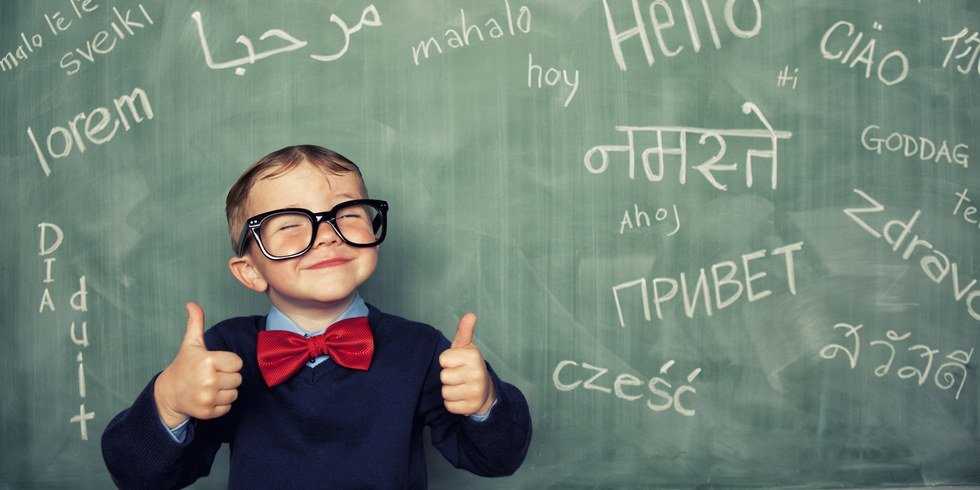
Different languages are all around us: down the street, the town next over, and another state or country-- there’s no escape of the different languages that surround us. Whether we like it or not, we have to deal with the languages that surround us.
There are daily differences that surround us in terms of language barriers. Some people who speak different languages know English as their second language. However, there is a great majority of people who do not even know a second language.
When in your home country or another country, if you do not know a second language, you may come across some difficulties. Even though most touristy sections know at least English for their second language at some level, some people around the world do not know English or another language to save their lives.
When faced with a difficulty or challenge-- as in wondering where the bathroom is or needing an explanation for a hospital visit-- if you do not know a language that is native to a foreign country, you are in for some trouble. You may be lost, confused, and even terrified.
However, when you finally learn a second language, or at least bits and pieces of it, you will come to find out that relating with others has never been easier. Whatever language you choose to learn and speak, the people who grew up learning that language as their first language will respect you with all their heart.
Foreigners realize that most Americans do not even bother learning another language because, if and when they travel out of the country, they figure that most people will already know at least some English and that they will be fine. This is because English is known as the world’s most traveled language-- you can find people who know English in the majority of countries.
Learning another foreign language will mean that you can relate to different people from different cultures. It’s a great feeling when you finally understand what other people are saying in another language, and then responding back! People who speak that language will admire you and respect you.
Relating with others who speak a different language does not mean that you can only relate to knowing how to speak their primary language. It also means that you have a sense of being relatable when it comes to their culture: the food, customs, traditions, their lands, their lives.
Speaking another language will also give you a keen understanding as to where others are coming from. A wise person once said that when a foreigner speaks a second language, the second language will go to the brain, but being able to speak the foreigner’s native language will go straight to their heart. In other words, everyone’s native language comes just as natural as a heart beats and as love grows.
When traveling to other countries, foreigners who speak the language that you’re beginning to learn will respect you. Not only because you know their native language and are trying to speak it, but also because you did not choose to take the easy way out. Most English-speaking people who travel to foreign countries do not even bother to learn a foreign language because they know at least one person in another country will know English.
So, if you know a language that is accustomed to another country, it will make foreigners have an easier time speaking to you and the conversation will be relatable and respectable. You will also feel a sense of accomplishment for speaking it and understanding others-- where they are coming from and the language, itself. Even if you 100% don’t know the language, it’s fun to simply try. The more you practice, the better you'll get at it.
Learning another language will help you realize that not all languages are structured the same way as your native language. Sometimes, two verbs or a preposition and an article are combined with one. Other times, sentence structures and other words may be flipped. With languages, you never know what the outcome of a sentence will be until you put one together.
When you begin speaking a second language long enough, the change of sentence structure will also begin to change the structure of how your brain gathers and processes language. You may discover that you will apply the same rules of the second language in mistake for your native language. For example, you may end up flipping words around or saying an oddly-phrased sentence. Other times, it may take you a longer time to process and think about how you should phrase something or what a word may mean.
If you learn a new language as an adult, it may be harder for your brain to retain different words, structures, and rules in regards to the new language. That’s because as you age, your brain loses its plasticity. In other words, it’s easier for you to pick up languages from infancy to age 10.
When learning another language, you may also see certain similarities among the languages of the world (especially the romance languages). Certain verbs and nouns may look alike and may mean the same thing. Thus, the similarities will make you have an easier time understanding words from other languages, which means you will have an easier time processing new languages and information, and will be able to easily understand others!
Overall, I believe learning another language helps you become more well-rounded as a person. Through another language, you will not only get to experience the other language as itself, but you will also become experienced with cultures, traditions, lifestyles, and respect. So go out there and learn another language today. If not, at least throw yourself into another culture and see where you get!