


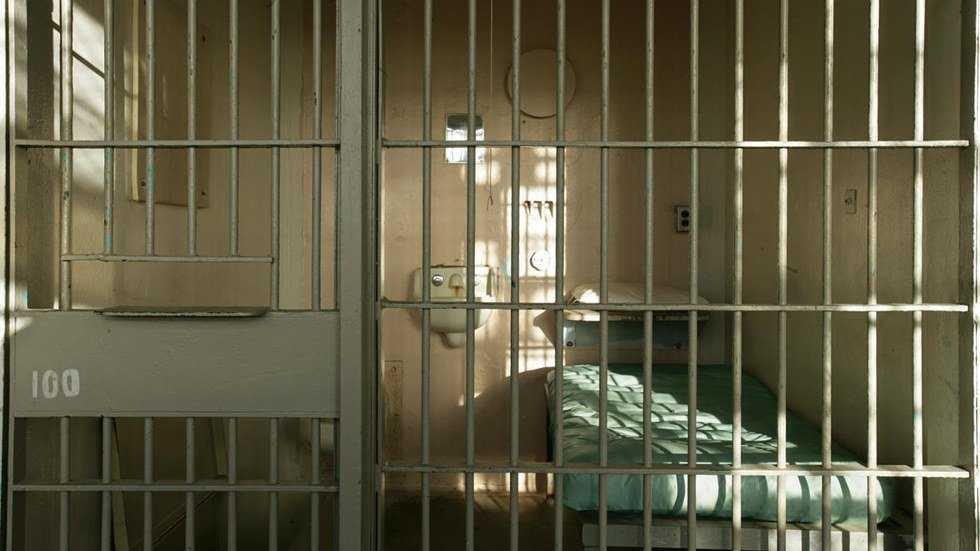
On July 13, 2015, Sandra Bland was found hanging in a jail cell in Waller County, Texas. After dash-cam video shows ex-officer Encinia forcefully arresting Bland for a routine traffic stop, Sandra Bland died in her cell and her family filed wrongful death lawsuit. A female jailer looked into Bland’s cell and saw her hanging from the privacy partition. Surveillance footage shows the woman alerting other officers and staff that Bland was dead. Later that week, Sandra Bland’s autopsy report was released and signed by the assistant medical examiner at the Harris County Institute of Forensic Sciences. The Waller County jailhouse has been investigated by the Texas Rangers and was given recommendations by a nine-member committee, which consisted of civil rights and criminal defense attorneys.
Unfortunately, there have been more incidences of jail deaths in county jails in Texas after the death of Sandra Bland. Even though these deaths did not get a much media coverage as did Bland’s death, it is disheartening to see that jailhouse deaths are becoming a trend Texas county jails. Texas ranks #15 in having the most prison deaths which includes federal prison deaths as well. Unfortunately, the average annual mortality rate in Texas prisons is 265 individuals per 100,000. According to the University of Texas at Austin Research Institute, about 7,000 people died in Texas while in police custody over the past 10 years. The Institute for Urban Policy Research and Analysis shows that 2,000 of these individuals had not been convicted of a crime. Additionally, like Sandra Bland, 772 individuals committed suicide. The National Institute of Corrections studied these jail suicides and suggested that the two primary causes of jail suicides were the authoritarian jail environment and the inmate’s isolation from friends and family. Shame of incarceration, mental illnesses, and loss of stable resources are also cited as reasons for jail suicide.
In order to prevent and assess suicides in prisons, correctional officers and staff should be adequately trained to handle such situations when they arrive. According to the World Health Organization, “all correctional staff, as well as health care and mental health personnel, should receive initial suicide prevention training, followed by refresher training every year.” This training includes, but is not limited to, “why correctional environments are conducive to suicidal behavior, staff attitudes about suicide, potential predisposing factors to suicide, high-risk suicide periods, warning signs and symptoms, recent suicides and/or serious suicide attempts within the facility/agency, and components of the facility/agency’s suicide prevention policy.” Correctional staff are then instructed to participate in mock suicide drills in order to increase response time and potentially save lives.
Unfortunately, not many prisons take heed to such recommendations. A lot of prisons in the United States still use solitary confinement, which has been outlawed by the United Nations. This measure has not, and might not, be enforceable by the United Nations, so the United States’ prisons are permitted to treat prisoners this way. It is highly unlikely that prisons would take recommendations for preventing suicide seriously, and it’s even more unlikely that prisons would get adequate funding from state and federal governments to enact them. Following the death of Sandra Bland, The Texas Commission on Jail Standards noted Waller County Jailhouse did not observes inmates “in person at least once every hour” and did not document “that jailers had undergone training on dealing with potentially suicidal inmates.”
In lieu of public scrutiny and outrage, the Department of Corrections enacted a database that hopes unveil the mystery of why and how jail deaths happen. This online database arose after the death of inmate Luis Arrascue, who reported fell down on the sidewalk outside of prison dorms. Additionally, Florida’s Department of Corrections enacted an inmate death database due to scrutiny over mysterious prison deaths. The Corrections Secretary Michael Crew says the effort is aimed at increasing “transparency and accountability into the functions of department.” However, transparency of these deaths are just numbers. Brad Brockman, the Executive Director of the Center for Prisoner Health and Human Rights, notes that transparency is needed in the investigations of alleged wrongdoing by prisoners and their staff. It is safe to say the Sandra Bland’s death sparked a lot of media coverage, which resulted in multiple investigations into the Waller County Jailhouse. Unfortunately, many prison deaths are not covered in the news media, meaning many jailhouses and prisons are not held accountable for them.
Ultimately, transparency on jail suicide is key to increasing accountability. However, citizens can be more involve in the process to making sure jailhouses are up to standard. Citizens must vote for local and state government candidates who understand that prison funding must be diversified for jail house improvement instead of increasing jail holding capacity. Additionally, citizens must urge these officials to look over jail house practices. Suicides in jail houses do happen, unfortunately. However, since jail houses act as a buffer between arrest and conviction through the judiciary, suicides should not occur. Sandra Bland’s death is another example of how the justice system can fail before the court plays its part.

















