
Images can be powerful. Since the beginning of time people have used images to communicate feelings, stories and plans. For example,altarpieces have been used for centuries for personal devotion at the church altar during the Sacrament of the Eucharist.
Powerful images were used because the illiterate could view them and understand the biblical message. The same thing applies today. If we see an image or video, it will most often stick with us longer than words in a book or in a news article.According to psychologist Albert Mehrabian, “93 percent of communication is nonverbal. Studies find that the human brain deciphers image elements simultaneously, while language is decoded in a linear, sequential manner taking more time to process.”
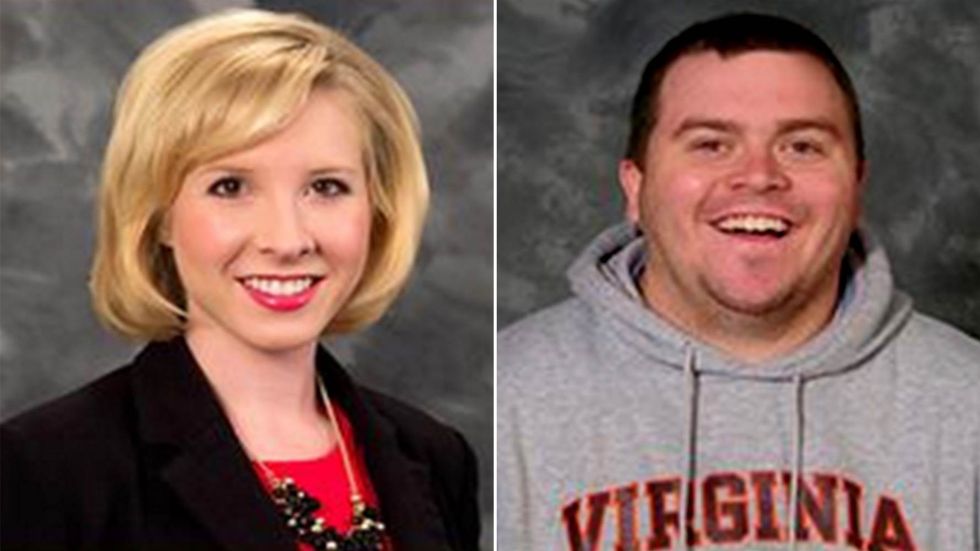
The recent Roanoke, VA, shooting of 24-year-old Alison Parker and 27-year-old Adam Ward is a perfect example of how images can affect us. Suddenly videos and images of the shooting were spreading on Twitter and Facebook for the entire world to see.
A video with graphic, brutal images of Parker being shot on camera was posted. Is this ethical? Should the journalists at WDBJ-TV have released this graphic footage? In my opinion, it doesn’t add to the facts of the story.
As journalists, we must cognitively process the meaning of every single image that we broadcast into the world. We must be filters for social media and released images. How do the victims’ families feel about them becoming media sensations because Parker was shot on camera?
We need to be careful of what images are shown to the public, and ask ourselves if it adds anything to the story to show them. In this case, the actual moment of Parker being killed does not prove that she and the cameraman were killed; we already knew that from first-hand sources. The story could have been written with details of the event, but the images did not need to be shown. The video could have been edited and cut to be less brutal.
The Huffington Post made a great point in their recent article titled, A Generation Desensitized to Gun Violence, “Again, it was the element of shock without a motive fueling the mass murders that left the nation outraged.” They are referring to this recent shooting in comparison to others. Was it the fact that the images were so graphic that caught national attention and outrage?
Tell the public what they need to know, but don’t include details or images that don’t add to the story’s understanding. Journalists don't need to show graphic images to gain attention, and they need to explain stories without going overboard just to get clicks and shares.

















