As someone who was home schooled, I can say that there are many stereotypes and names home schooled kids get called that follow them for the rest of their lives. They hear backhanded comments that they should never have to hear, and they hear them long after they’ve graduated and moved on from that point of their lives. Sometimes these rude comments are not even made to the person's face. They’re spoken about behind their back. Things like:
“Oh they were home schooled? They must be really weird.”
“Homeschooling isn’t real school.”
“They weren’t in public school, so they’re not as smart.”
“Homeschooling isn’t school, it’s daycare.”
“They must be really socially awkward.”
None of these statements are even remotely true. Home school is just as real and educational as public school, if not more so. Home schooled kids are not forced to conform to the public school's asinine curriculum which is based more off of how to get good test scores and less on actually teaching kids and making sure they get the help they need to learn.
The fact of the matter is, kids who are in the public school system don’t get the individual attention that some of them may need to learn properly. All kids learn differently but all teachers teach kids all the same. So how are children expected to learn what they need to learn? Especially when public school curriculum doesn’t even teach things kids are going to need late in life like how to do taxes, how to balance a check book and how to take out a loan.
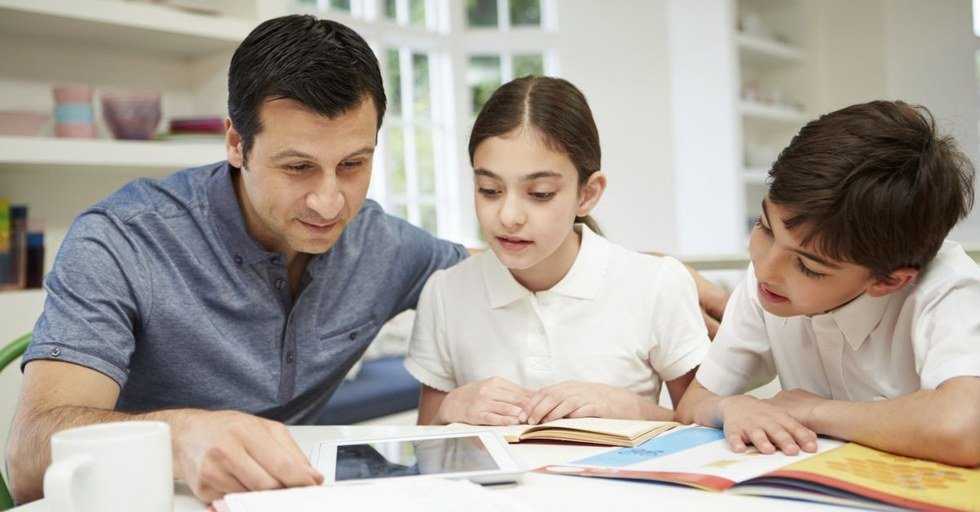
As to homeschooling not being “real school,” there are many different ways one can go about homeschooling their kids. One is the traditional way which is to do all the learning and curriculum at home, making the parent the only teacher. The parent usually gets all the curriculum and supplies from a book store that specializes in that sort of thing.
The second would be enrolling the child in a co-op. This is where, while the parent does do some of the teaching at home, the child is also enrolled in some courses at a school. The child is still in social situations and not “deprived” of having a social life, but is not forced to conform to the ways of the public school system.
The second way would be how I was schooled. From fifth grade all the way until I graduated high school. And I still heard all the comments— and more —mentioned above. A child, and even an adult, should not have to have their schooling diminished just because they were not schooled the most conventional way out there.
Never tell a child they are not as smart because they are not in the public school system. My sister was home schooled in kindergarten and first grade and then moved into the public school system. When she transitioned over, as a second grader, she was at the reading level of a fifth grader, if not higher. Only one year in public school and by the end of her second grade year, she was at the reading level of a second grader. Her reading comprehension dropped three levels at the hands of public school teachers.
Home schoolers are no less smart than children that are in public school. In fact, homeschoolers tend to score 15 to 30 percent higher on standardized tests then kids in public school do. Children who are schooled at home tend to be in better mental standing as well. Better mental, social and emotional standings than children who are exposed to the insane pressure that public school entails.
So, to all those out there who believe that homeschooling is horrible and that children should “never be forced into something as retched as that,” just know that kids who are home schooled are typically in better academic, mental, social and emotional standing than kids who are not. They’re more involved in their community, and from my personal observations, are less rude than kids who were raised in a public school scenario. So please, reconsider how you should really school your children.