
With the outbreak of the "Panama Papers", it's important to take a look at how we view or don't view, our leaders at every level.
Every country, state/province, local municipality, organization, company and the club has a form of leadership. The style of leadership across organizations and governments differs. We have a president in the United States at the "top" while in the UK they have a different parliamentary system with a Prime Minister.
The exact organization of leadership is not the topic of this article. Instead, the focus needs to be drawn to the individual leaders themselves. The Panama papers have revealed gross violations of trust. This is just at the very top and only affects certain people. However, it is important to be critical and attentive to leadership at every level from your club here on campus to your Senators and beyond.

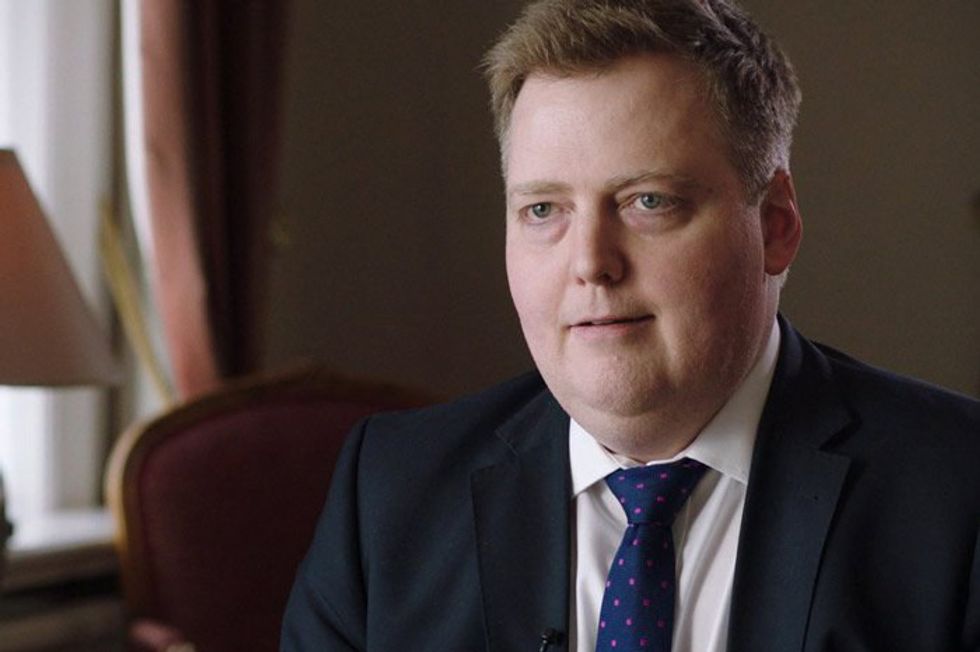
The "Panama Paper" reveal was huge. Without going into much detail (you can find countless articles on any news website), a journalism company in Germany essentially uncovered tons and tons of documents/info on world leaders, wealthy individuals, and celebrities using a company in Panama to build shell companies and essentially divert and "hide" income and money. Essentially, when you boil it down, corruption was uncovered. Already, the Prime Minister of Iceland has resigned over the issue.
This obviously presents a need for world citizens to hold their top leaders more accountable. Putin and many in his inner circle were additionally uncovered but have denied any accusations of corruption. It is up to not only the citizens of individual nations but for the citizens of the world to hold leadership accountable. On such a large scale the ways to do this are limited.
First, we must always vote. In every single election, we must vote for the candidates that appear and are historically the most transparent. It is arguably more important to elect a candidate to higher office that is honest and transparent in their record than one that simply says things that sound nice and appealing. We often overlook the history of candidates when it relates to their openness, so to speak. Additionally, we need to make sure we continue to donate and fund organizations and NGOs that focus on transparency and anti-corruption measures.
Third, we need to ensure that when world leaders are uncovered as having participated in the corruptive activity, such as the PM of Iceland, we need to publicly make this well-known and organize to spread the word.Some of you make the call this shaming. And, in a sense, it is.However, it is helpful shaming. It is the kind of shaming that is necessary for open government. Fourth, we need to pressure our own leaders, through the organization and any other means to pressure other leaders accused of corruption to change.
Beyond the world and national politics, it is important to keep our local municipal leaders accountable. This is huge but incredibly easy. I am talking here about local mayors, councilmen, county representatives, state representatives, and the like. These are local leaders that often have another job and are truly from among the people, so to speak.In many small communities, such as my own hometown, these officials are reelected every so many year by the community and then left alone to do pretty much whatever with the tax dollars.
In my village, for example, you would be lucky to get two people outside of the village board to attend the meetings. People just pay their taxes and trust these people to do a good job.In many cases, this works. Most local leaders don’t have bad intentions. However, it is important to keep them accountable. With such “power”, as you may call it, local leaders have immense ability to push their own agenda.
Let’s say X Street and Y Street need serious repair. There is only enough money for one street to be repaired without applying for additional grants. Maybe most of the village live on Y Street but he mayor and half the board lives on X Street.Which street do you think gets repaired? How many motives will the board have to apply for additional grants? The point is not that all these local governments and officials are trying to take advantage of us, but instead that it would be easy and can easily be prevented.

On a more pertinent level, we need to hold our campus leaders accountable.Much of the same as already mentioned applies.Club leaders and Student Association leadership are often elected in uncontested elections and serve without much input from the people they serve/represent.I don’t wish to go into individual examples. The point is that we need to show up to meetings, ask questions, read the club emails, and talk to the leaders we elect.
The SA has millions of dollars. Do you just pay the Student activity fee and let them decide what to do with it without any input? Probably. Make sure you put your voice where the money goes.If you are in a club, make sure they are doing what you think is best.This also applies to Greek life in some senses.There is no better way to keep transparency strong than to make sure you run for positions if you can.Contested elections are important.

So to start, vote in the SA Senate and Associate Justice Elections later this week, and vote (or run) for positions in your clubs!