

Why study history? Why is the past so important to humanity that innumerable pages and even more innumerable hours have been devoted to its recording and analysis? The given reason, the one most often cited, is that those who do not study the past are doomed to repeat it. This is a phrase that experience seems to play out: when people fail to account for the past, the present plays out in generally the same way—think of generals in World War I who ignored the outcomes of previous attacks and continued to send their soldiers over the top; think of how leaders who use repression as a governing tactic always end up deposed.
Studying history, then, is a well-established tool to help create a better future. However, there is a more controversial aspect of history that is less established and accepted: the study of history’s "IFs".
What would have happened if, Adolf Hitler died when he had been gassed in 1918? Some people would tell you it doesn’t matter because he didn’t die and the world occurred the way it did. I would argue differently. In the same way that removal of a certain block in Jenga can cause everything to crash down, so too can the changing of one historical event give insight into the factors involved in it and its effect on the world.
The insight given to us by examining the "IFs" of history is a sort of offshoot of The Butterfly Effect. The Butterfly Effect is a scientific theory positing that the flapping of a butterfly’s wings could alter the course of weather forever; when looking at the "IFs" of history, we can find key moments and figures—and realize the extent of their impact—by imagining what the course of the world would have been if they hadn’t occurred the way they did.
Take, for example, the 1915 British attack on the Dardanelles, the strait that connects the Mediterranean and the Black Seas. Prior to World War I, this strait was the primary route used by the Russian Empire to export its one valuable, money-making commodity—grain—and it was the best way that Russia could import all the necessary features of modern civilization that Russia lacked the ability to manufacture.
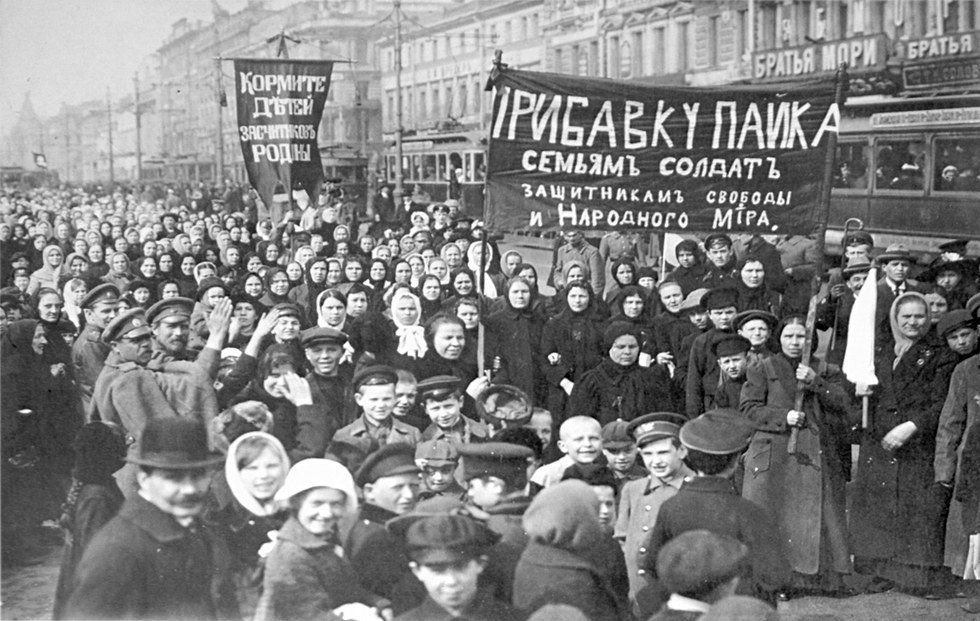
The British attack failed, meaning that the Russian Empire was doomed to slowly starve (prior to the creation of the Soviet Union, they were allies), and it was that starvation that helped push public sentiment against the Tsar past the breaking point. If that British attack succeeds, then maybe the Russian Revolution doesn’t happen in the midst of World War I, but rather later, when the Russian government is more able to deal with it, and the Soviet Union and its massive influence on the course of modern history doesn’t come about. By studying that if of history and imagining how things might have gone differently, we can put into perspective how enormous the effect of the Russian Revolution was on the world.
Now, of course, there are many "IFs" to be studied for every major historical event; however, the principle remains the same. The tiniest of occurrences can send the path of history careening down a certain road, and changing them and examining their IFs can really help to understand the significance and impact of those events. In the modern world of the internet, when small events are viewed and commented on by billions, I believe the power of the if is only increased, as small events can now spark movements, and movements can grow quickly to the point where they bring about sweeping change. The study of the historical if should not be dismissed simply because it involves conjecture. Rather, it should be embraced and used as a tool for examining the importance of certain events and their impact on the course of history and the world.