


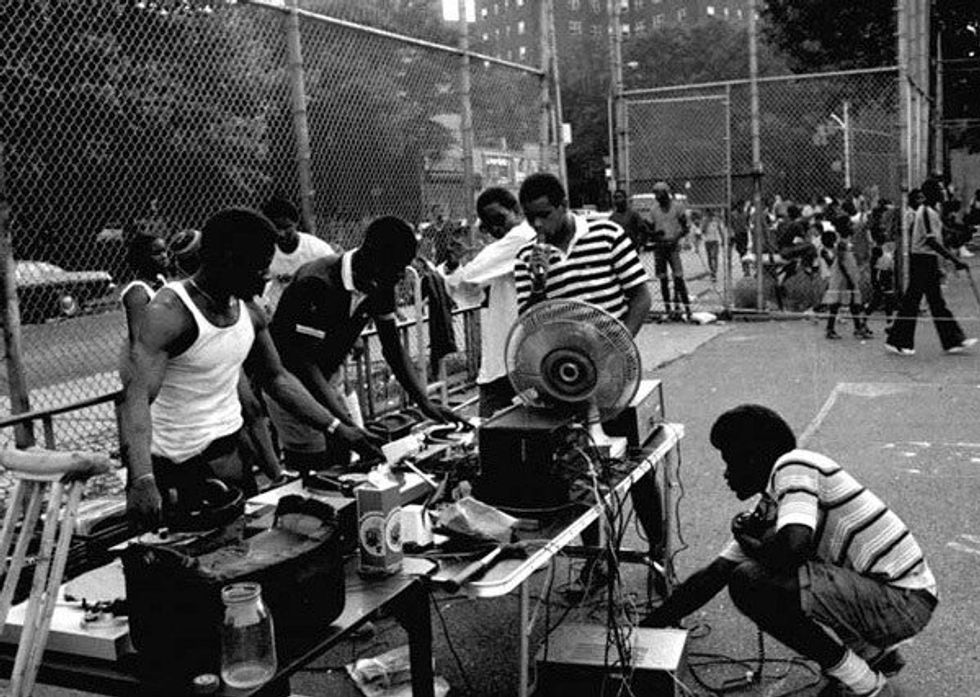
"It is true that the nature of society is to create among its citizens an illusion of safety, but it also absolutely true that the safety is always necessarily an illusion. Artists are here to disturb the peace.” (Baldwin, 1992). James Baldwin was a novelist who made many references to “the artist” which later inspired the Hip Hop community. His references to the artist spoke to all types of artists no matter what kind they were. “All art is a kind of confession, more or less oblique. All artists, if they are to survive, are forced, at last, to tell the whole story, to vomit the anguish up.” (Baldwin, 1960). He believed that artists had a certain responsibility to society. Voicing our opinions and life experiences through our art. This is exactly what Hip Hop did when it was first introduced to the public eye.
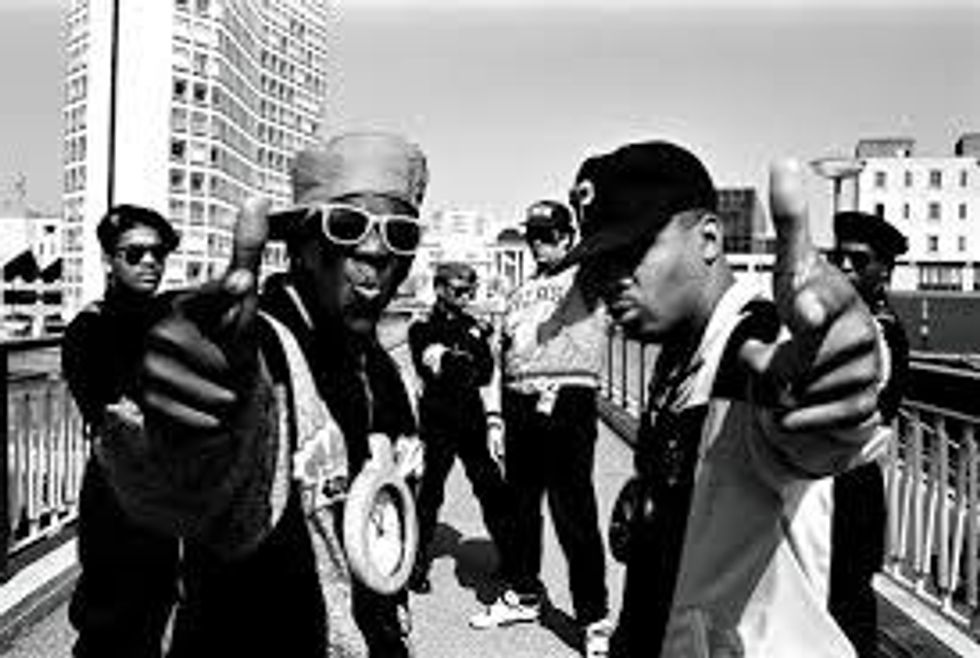
Rap which birthed from the Hip Hop Nation community originally entailed their message to disturb the peace through colorful lyrical content on poverty, crime violence, and etc. Original hip hop artists were determined to bring awareness to their lyrics of who they were and their struggles in a narrative way. Hip Hop effectively tackled the mission of “Disturbing the peace”. However, since Rap has drifted away from the hip hop culture into its own individual commercial industry, the quality of the lyrical content today does not have the same agenda of sending out the message of disturbing the peace as strongly as it once did. There is one avenue of the rap game today that could change that; underground or independent rap music, holds this factor that could revive Rap back to what it is originally was.
When Baldwin first used the phrase “Disturb the Peace” he used it as a signifying stance that all artists can utilize. He made it understandable that it is our duty if not our right to voice our opinions and challenge the “norms” of society and this was well incorporated into rap music. Smitherman (1997) states that Hip Hop had a “Moral Edge” simply meaning that it was an eccentric art form with an important message behind it. Which is what I believe is so enticing about Hip Hop.
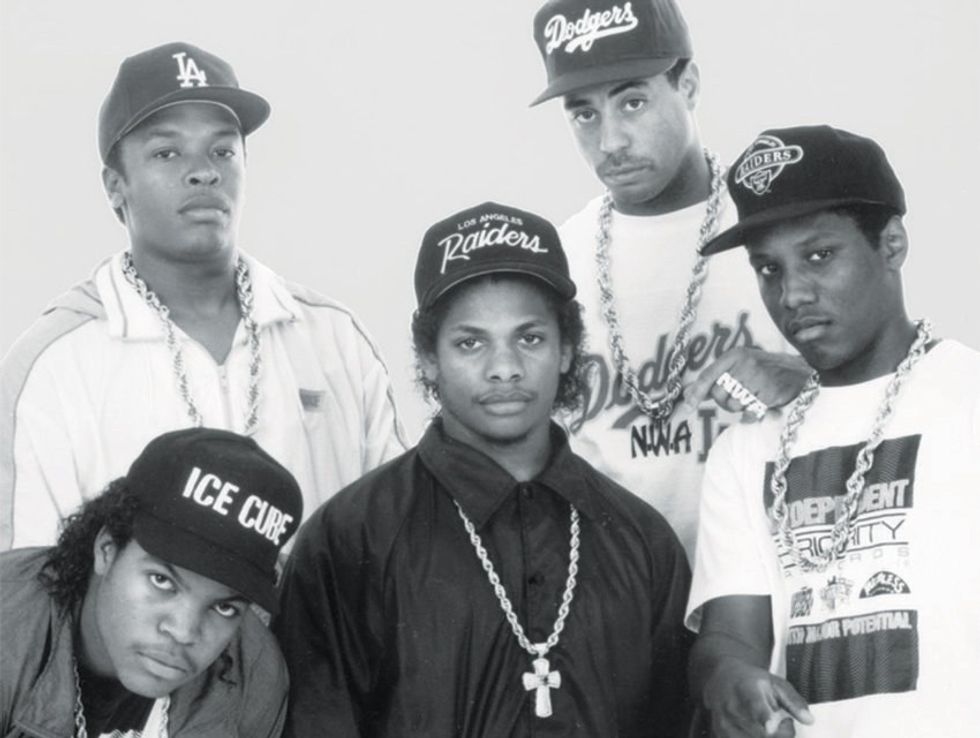
Earlier it was mentioned from Baldwin’s quote that art is a kind of confession. This is a perfect example of what the Rap art form is. Smitherman's (1997) states that disturbing the peace is the principal medium for blacks to “express their views of the world”. When “Gangsta Rap” came onto the scene it was harshly criticized for being overly violent and because of its offensive lyrics but many artists such NWA spoke against issues such as police brutality and growing up in crime infested areas which what they experienced their whole lives. Is this not a confession of experience? Of course, which is why we classify rap music as art or poetry. “The founding mission of rap stays the same despite the emergence of violent and misogynistic lyrics” which are still obviously present today.
I posted to my Twitter a poll for my followers to take place in voting to get an idea of what my peers think about the current state of Hip Hop music. I tweeted the question “Is Hip-hop today still about “Disturbing the Peace”? Does it still make a stand against our oppressors?” The results were an interesting mix but expected from the music listeners in my age group. Out of eighty-three votes, nineteen percent voted yes, fifty-eight percent voted no, and twenty-three percent voted “it’s starting to again”. When rap first fused over to a more commercialized industry going into the 2000s the lyrical content became lackluster and not so much as a strong statement about the power and potential of our people. The lyrics became more about the material and superficial things. Although this was arising in rap music, rap still had those core characteristics of Hip Hop such as Braggadocio and Narrative type of storytelling that Dr. Smitherman discusses in her journal.
This brings me to my last point, the Underground or Independent Rap industry and its importance in bringing the agenda of disturbing the peace back into play. Underground Rap music is a great genre because it's full of diverse youth with a new outlook on life, society, and rap music. There is a whole hub of people independently making rap music because of it’s flexibility to do as you please with your art. It's still rap but with a unique flair to it that has a whole wave of young (internet savvy) listeners. These groups now mostly consist of young adults and teens. What's even more incredible about this side of Rap is that there are many socially conscious rappers in the underground rap game. Such as Joey Badass, Mick Jinkins, and well-known rappers like Kendrick Lamar and J.Cole stemmed from the underground rap game as conscious rappers. The only downside to underground rap music is that it is not as popular as mainstream rap.
Mainstream rap consists of artists that are signed major labels. These are often white-owned labels, and certain social or race issues being talked on about a track that will be played all over the nation could cost them their money and “image”. Therefore, these record labels hire writers or tell these mainstream artists the type of music the “people want to hear” which is basically just those materialistic, superficial topics that I mentioned earlier that are so prevalent in today’s mainstream rap. With major record labels currently residing as industry giants and controlling sounds of the airwaves, it makes it difficult for artists of the underground to rise up and make a change in the game again. That's why underground rap is important because more attention should be focused on it. I personally feel the more we show the public what these conscious rappers within the underground rap scene are about, the better chance we have at sending that original intended message of disturbing the peace in Hip Hop.
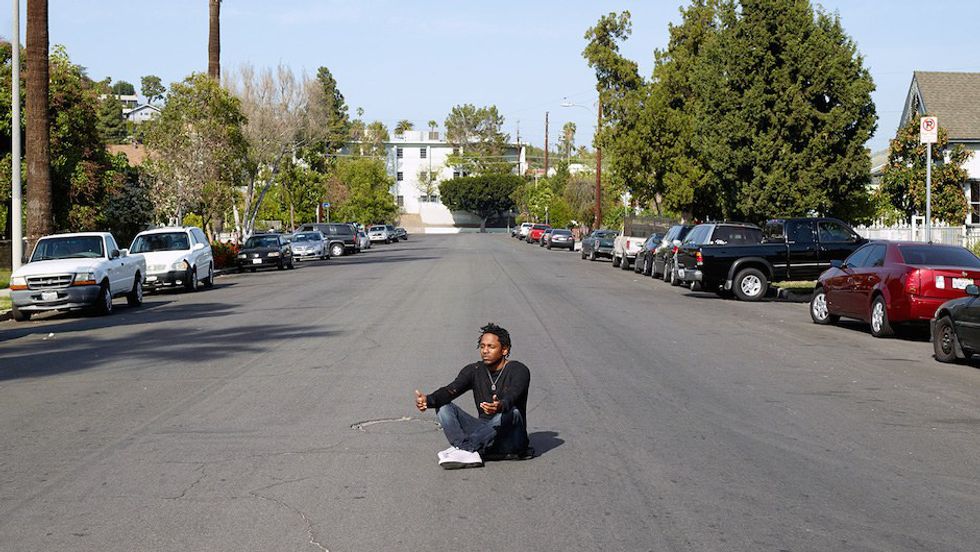 I believe that the artists’ mission to disturb the Peace has greatly changed since the beginning of Hip Hop. It went from starting off as a strong symbolic movement within the movement to being completely lost in the art of rap, to gradually making a comeback with the right guidance in the underground rap genre. Disturb the Peace can have multiple meanings but the meaning Hip-Hop Culture used it for was a way for the people to express their oppression pain, struggle, and the story of who they were within a musical form. I think the future of Hip-hop music can be saved again with the considerate inclusion of the underground rap scene as well, therefore, more conscious rappers can be introduced to a new generation.















