Last Friday in Des Moines, Iowa, all five Democratic nominees shared a stage for the first time in the 2016 presidential race. This event gave each candidate the opportunity to set themselves apart from the others.
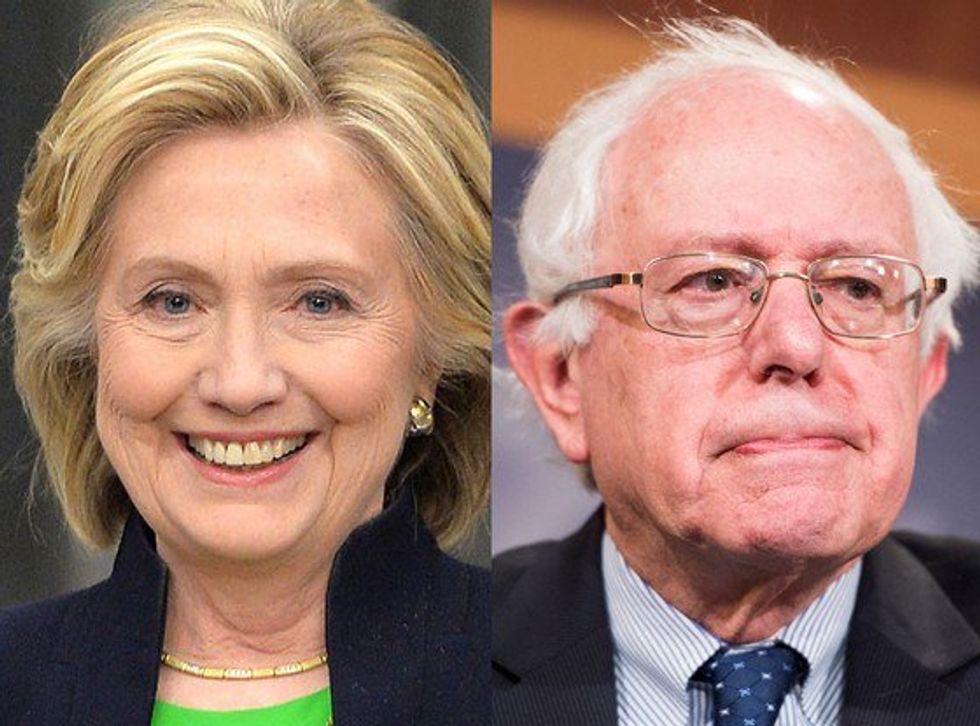
This juxtaposition highlighted some key differences between the two front runners, Hillary Clinton and Bernie Sanders.
Clinton was charming and graceful as she approached the stage, the room erupting with applause and cheers. She began by speaking of the inductees into the Iowa Democratic Party Hall of Fame with adulation and praising Obama's handling of the 2008 financial crisis. She then eloquently delivered the first half of her speech revolving around the motif of time. She uses her familiarity, which many have condemned, as an asset, saying that "despite [her] familiar face, [she] is the party of the future."
Since Clinton has received so much backlash from being in the spotlight for so long, this defense was necessary. However, her speech was almost too perfect and sounded rehearsed, if not disingenuous. Her attempt to portray herself as less hard and lifeless by making a joke about her hair provided laughs for her friends and colleagues in the audience, but ultimately, fell flat to viewers at home.
Sanders, on the other hand, is a relatively new face to most so he could afford to revolve his speech around his platform.
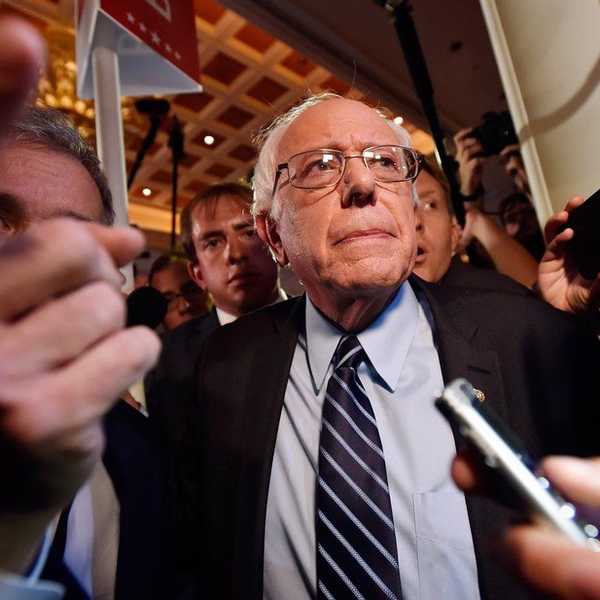
Bernie Sanders began his speech with slightly less excitement from the audience, but that didn't stop him from delivering an aggressive and vociferous speech, for which he is known. He didn't waste time with a running theme or poking fun at himself or carefully planning crescendos to rile up the crowd- this is why people trust him. He doesn't care about drama or creating a facade, just his platform.
While Sanders' speech wasn't as artfully crafted as Clinton's, it remained exciting because of its content. He took the attention off of himself when he called for a political revolution, saying that "no president does it alone." He focused on the issues he has talked about in his past speeches: the greed of the billionaire class, income inequality, single payer health care, women's and LGBT rights, sustainable energy, reducing student debt, etc.
While the jabs were reserved for Republican nominees, the tension between the two was palpable when Sanders called out Super PACs and Wall Street, which is where most of Clinton's donations come from. And one couldn't help but recall Hillary's rejection of a $15 minimum wage during a press availability in New Hampshire just the day before when Sanders ended his speech with, "We are the wealthiest nation in the history of the world - there is nothing we can't accomplish."
Hillary is leading in the polls and has yet to acknowledge Bernie Sanders as her competition, assuming herself the Democratic nominee when she used the phrase, "When I am President of the United States..." several times in the last few months.
Clinton incorporated all of the elements of an articulate, convincing, and personal speech and came off experienced while Sanders was just the opposite: he stuck to the facts, his platform and didn't bother with seeming personable. Although his speech was more bare bones, less charismatic and took on more of a scolding tone, it was refreshing and lively. Clinton got most of the applause in the audience, but to people watching at home who aren't part of the Democratic political circle that has been supporting Clinton for years, Sanders seems more genuinely passionate about improving the country in 2016 even if he isn't the most charismatic. One thing is clear: Clinton and Sanders stand to benefit from observing one another in action.