
Crawford County has a website that features the previous month's mugshots. On the first of the month, dozens of my Facebook friends share the link, often commenting on how many people they know. This month, I recognized 14 faces and names—people I went to high school with, mostly. By and large, their offenses are drug-related. The drug of choice in my hometown? Heroin.
Small Town Charm
I grew up in Bucyrus, a small rural town situated in northern Ohio. Population: 12,000ish and on the decline. I graduated high school in 2013, and heroin was already a serious problem. Of course there were kids I'd always assumed would end up abusing hard drugs, but many of the faces featured on the mugshots page come as a complete shock to me on the first of the month. Heroin doesn't discriminate; old, young, healthy, ill, white, black, male, female, gay, straight...Heroin doesn't care how you identify. It will grip you tight until you identify as an addict instead.
I remember when home was different. Heroin wasn't a word I was familiar with. The community was doing alright. Families could raise their children without worrying too much about their safety. You didn't need three different locks on the doors. It was a safe community where everybody knew each other, and parents worried about their kids sneaking out to take laps instead of worrying that they were sharing needles.
What changed? Four years ago, I left home to go to college. I didn't leave Ohio entirely, but I got far enough away from home that it stopped mattering to me. Most of my family moved, too, so I didn't have much of a reason to keep up on current events. But through social media, I could see what was happening.
A Depressed Community
I was in high school following the recession, watching helplessly as families around me struggled to pick up the pieces—mine included. I got my driver's license during a time when gas cost over $4 a gallon. Moms, dads, grandmas, grandpas—everyone was losing their jobs, and most of these people had families to support. I watched already impoverished kids transform into even more ragged versions of themselves, wearing the same three shirts the entire school year because their parents couldn't afford anything else.
Others ran away from abusive parents who had been spending more time drinking now that they'd been laid off. Some girls my age fled hostile homes only to shack up with dangerous older men, often times getting pregnant or addicted to something within months.
I saw this happening, and yet nothing seemed to be "wrong." This must be a part of growing up, I thought. I'm starting to see the nasty parts of the world, and this is just the reality of the place I grew up.
From 2007 to 2012, Crawford county had higher average rates of overdoses per 100,000 people than most urban counties. According to an article about a series of serial killings in Bucyrus in 2014, the director of Gov. John Kasich's Cabinet Opiate Action Team was quoted saying, "The opiate problem is proportionately worse in rural counties than it is in urban counties."
A Slippery Slope
When I first saw the now viral picture of the East Liverpool couple unconscious with their toddler in their vehicle, all the warmth left my body. Whether they knew it or not, those police officers captured the visceral reality of impoverished rural communities. Many average people aren't confronted with the realities of opioid addiction in their everyday lives, although most have an opinion about it and the people who abuse the substance. Now, everyone has seen it.
That picture could've easily been taken in my hometown. I've heard stories about dozens of people that have been arrested for using while watching children. The scene in that picture is playing out in homes across Bucyrus, as well as other depressed communities across the country.
The community didn't fall into the dark pit of opioid addiction overnight, but it sure felt like it.
When Pills Cost Too Much
When I started to see stories about heroin related arrests in Bucyrus, I wondered why anybody would choose to use in the first place? Why would someone my age with their entire life ahead of them choose to pick up a needle and inject tar into their veins? It's easy to vilify addicts for using. It's easy to call them selfish—stupid even for abusing a dangerous substance.
As an outsider, it seems like addicts just pick up a needle one day and that's where it all begins. But there's much more to it that just that.
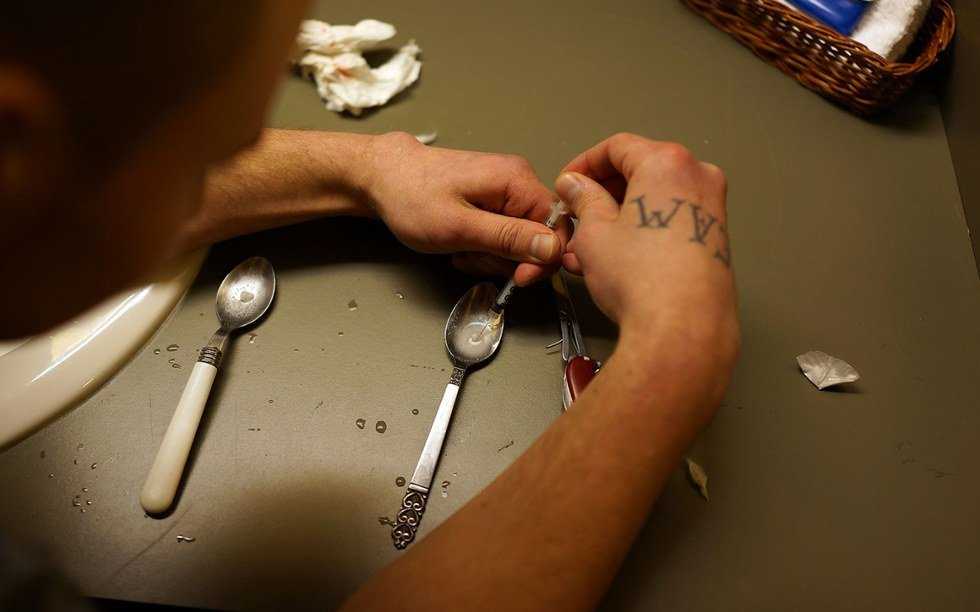
As I soon learned, prescription pills act as the doormat to the house of heroin abuse. A brief stop on the road to the addict's final destination. I watched classmates who started out their journey with K2, opting for pills when they became more readily available. Pills eventually run out, and are pretty costly. So they would either steal, or opt for a cheaper high—heroin.
Addiction doesn't begin one day when a person shoots up for the first time. It begins long before then.
A Vicious Cycle
By the time they are on the mugshots page, these people are embroiled in a vicious cycle that's almost impossible to snap out of. I see articles from Bucyrus everyday detailing court hearings. An addict is sentenced, but they eventually return home.
Nothing changes. The triggers that made the addict want to use are still present, and will be unless they relocate. But relocate where? And with what money? Surrounded by the same people they used to use with, the addict is on a path to failure. Rehab and community counselling are great, but heroin won't go down without a fight. Therapy alone won't always help.
Often times, I see people attacked online for "supporting" addicts. By calling it a disease, we are giving addicts an excuse, or so some say. I'm more interested in understanding how a person ends up in their current situation rather than determining if they have the right to be there or not. Regardless of personal opinion, the reality is that 8.9 million people in the U.S. alone struggle with both mental illness and addiction. Over half neglect to receive treatment for either illness.
I look at the tragic socioeconomic conditions of my hometown in the years past and present. As I read these articles about heroin abuse and wonder "why," I remember that I am no longer a part of the community. I was fortunate enough to leave for college, but not everyone had the same opportunity as I did.
I've watched friends, exes, and brilliant people fall into the pit of addiction. I can't describe the feeling I get when I read another old friend's name in the news. Despite what has happened, despite how much time has passed—if I knew you and we were close at any point in time, my heart breaks for you.
I have hope that Bucyrus and other rural communities can find the strength and the resources to beat this battle with addiction, but it certainly won't be easy. We must educate ourselves about the realities of addiction and offer impoverished youth better outlets for success. I'm tired of seeing mugshots and reading about court hearings. I want to see my hometown beat this.