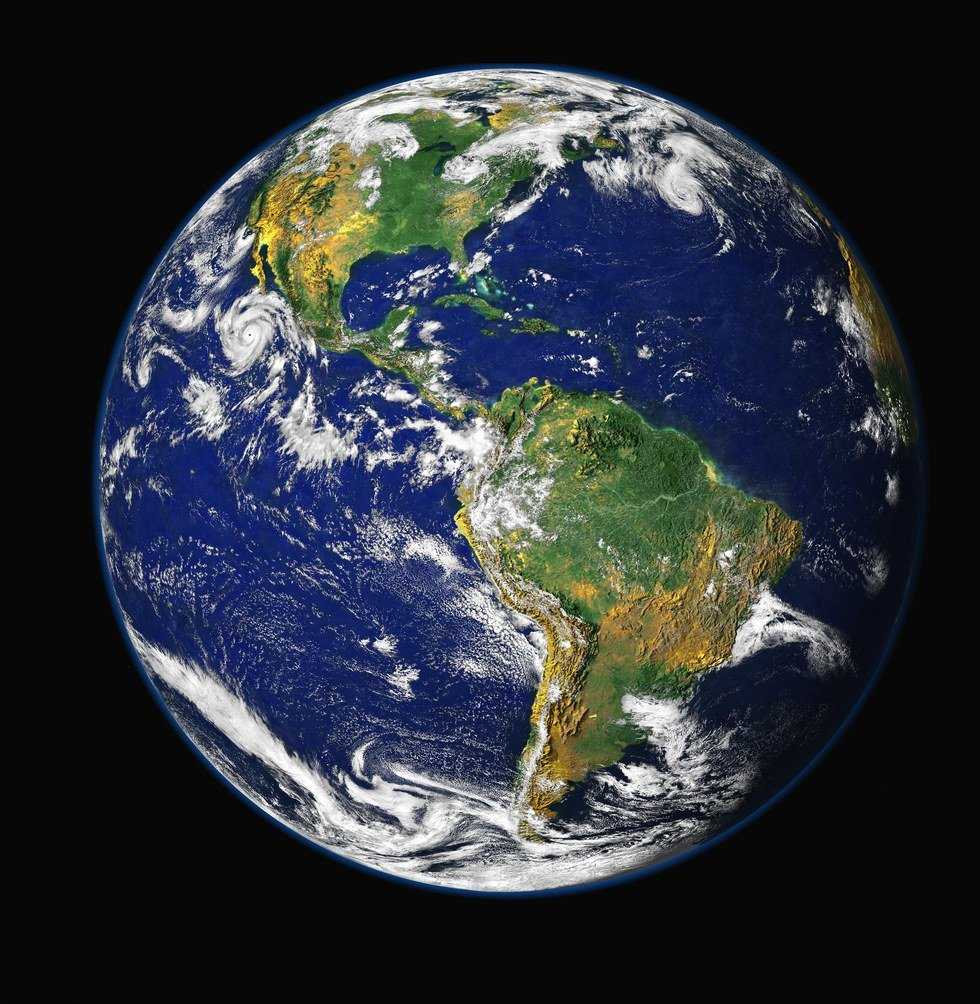
The state of the planet is highly controversial, some people would say it's a serious issue while others completely disagree. Among those who believe it is a real issue, there are those who are disillusioned, those who believe that there is nothing that can be done to stop the destruction that has already been wrought. Then there are the heroes. They don't wear capes or demand fame and glory for what they're doing, we don't call on them when we need help, but they're still there. These heroes are scientists, biologists, designers, they're innovative thinkers, problem solvers, they're normal people like you and I.
The question is not what can we do. The question is what can't we do. There are the small things, composting, turning off the lights when you leave a room, and there are the big things like designing a more sustainable agricultural system or a more efficient clean energy source. I believe that the most effective thing we can do to combat global warming, species extinction, ocean levels rising, or what have you, is through education. Whether you believe in the failing health of our planet, you can not deny that there is some reason that nature has survived as long as it has. Nature has adapted to its environment to be the most effective and efficient it can be with minimal energy. We don't need to search for the perfect design to emulate this, we only need to look outside. Studying this can and will help society grow and become more energy efficient.
The hardest part is to not lose hope. I know it's really difficult, when you read about what's happening, to have even a shred of hope that we can help the planet, but it's possible. The first step is the making a difference on a personal level. Pick up that empty chip bag on the sidewalk, start recycling, or composting, even starting a simple flower garden can help make the globe a friendlier place. When you feel comfortable, get more people involved, bring sustainable practices into your household, bring it into your community. It only takes one person to start a movement.
When I started this article, it was in response to the recent news of endangered bees and the bleaching of the coral reef. Depending on who you listen to, it could either be brushed off or blown out of proportion. I'm no expert, far from it, but I am optimistic. The world needs species diversity, we need our ocean and plant life to survive, even the smallest piece of phytoplankton serves a purpose in both nature and in our lives. The damage is not permanent though, not yet. If we all work together, we can be heroes and change the future.