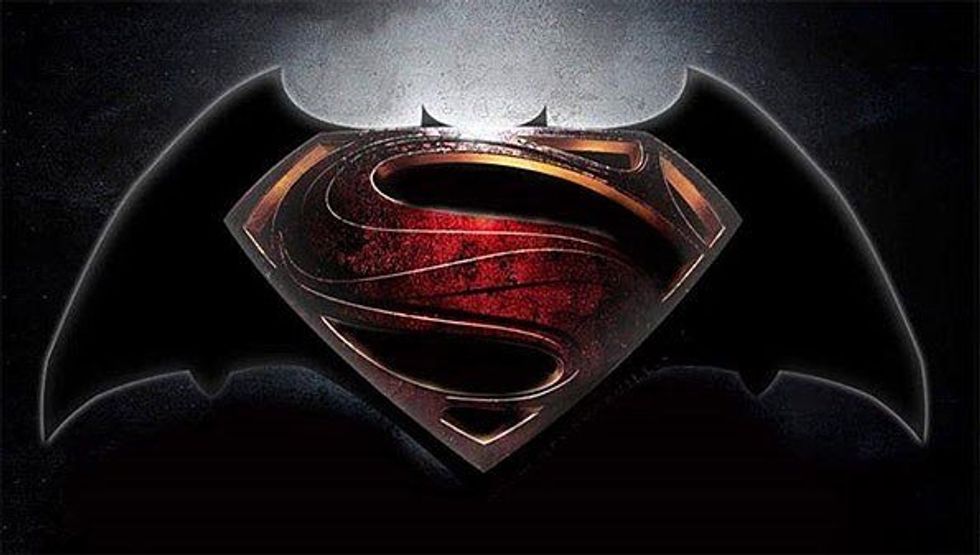
Well, friends, the big day is in sight. Every passing sunrise brings us a little closer to the March 25 premiere of Zack Snyder’s new film, "Batman v Superman: Dawn of Justice." I don’t know about you, but between the weird Super Bowl ads and the promises of the best superhero beatdown flick this side of "Civil War," I’m getting pretty excited for this movie.
I understand, of course, why some of you might not be totally on board with it even now. A lot of skeptical questions have dogged the project since its announcement so many years ago, from outrage at casting decisions to doubts about DC’s ability to duplicate Marvel’s multi-franchise success. Whether you have been a staunch supporter or a mortal enemy of the film, there’s no way to tell what it really holds in terms of content and quality until it comes out (no matter how many trailers they create).
But let’s just assume for a moment, quality aside, that you’re at least interested in the movie (and if you’re not, then why are you still reading this article?). You probably don’t care how much money it makes, what records it breaks, or what the projected Rotten Tomatoes score is. Instead, the most important question for the average viewer happens to be the tagline that should be haunting nearly every poster (like it is with "Civil War"): Whose side are you on?
There’s no way to tell for sure until we’ve seen it, but the central conflict of the movie (at least until they bring in Doomsday) seems to be that Bruce Wayne doesn’t trust Superman with all of his power, just as Clark Kent learns of Batman’s excessive and violent vigilantism. The two heroes start butting heads over their conflicts in ideology and their mutual distrust, and this inevitably leads to what should be a fairly exciting battle between two of DC’s greatest heroes. But regardless of who wins that fight (because we all know it’s going to be a tie), who is right in this scenario?
Batman says Superman is too powerful to be left unchecked and must be contained or otherwise stopped; Superman believes that he is using his power for good and that the world would be much worse off without it. And you can find convincing evidence for both sides in the movie’s sort-of prequel, "Man of Steel." Superman does save lives, often from threats that no one else can stop, but he also brings a lot of baggage -- particularly evil alien baggage that wants to wipe out all of mankind -- and he causes ungodly levels of collateral damage while trying to defend Earth from threats that followed him here. Worse still, he has also shown that he is more than capable of crossing moral lines and killing when he deems it necessary, something Batman (as far as we know) will never do. Superman brings a lot of good to the table, but he has a darker side to him and has the ability, if he so chose, to wipe out the entire human race.
So, who can you trust with power, and how much power should they wield? You might say that there’s no point in debating this question because it’s a matter of politics and opinion; certainly, there’s no easy answer, and just like the outcome of their grudge match, it is unlikely that the movie is going to leave us with any clear conclusions. But what if I told you that there is a way we can quantifiably answer this fundamental question of who is right.
That’s right, folks, the proof is literally in the pudding -- or rather, the cereal. General Mills has released two movie tie-in cereals for "Batman v Superman," and you can cast your vote for who you think is right the only way any true capitalist American should vote -- with your wallet. Thousands of years from now, when archeologists stumble upon this film and find themselves stumped as to the ethical implications, they will look not to the hordes of angry blog posts and Internet comments but rather to the sales records of the most important bit of merchandise this movie has to offer. So what do these cereals tell us about our two heroes?
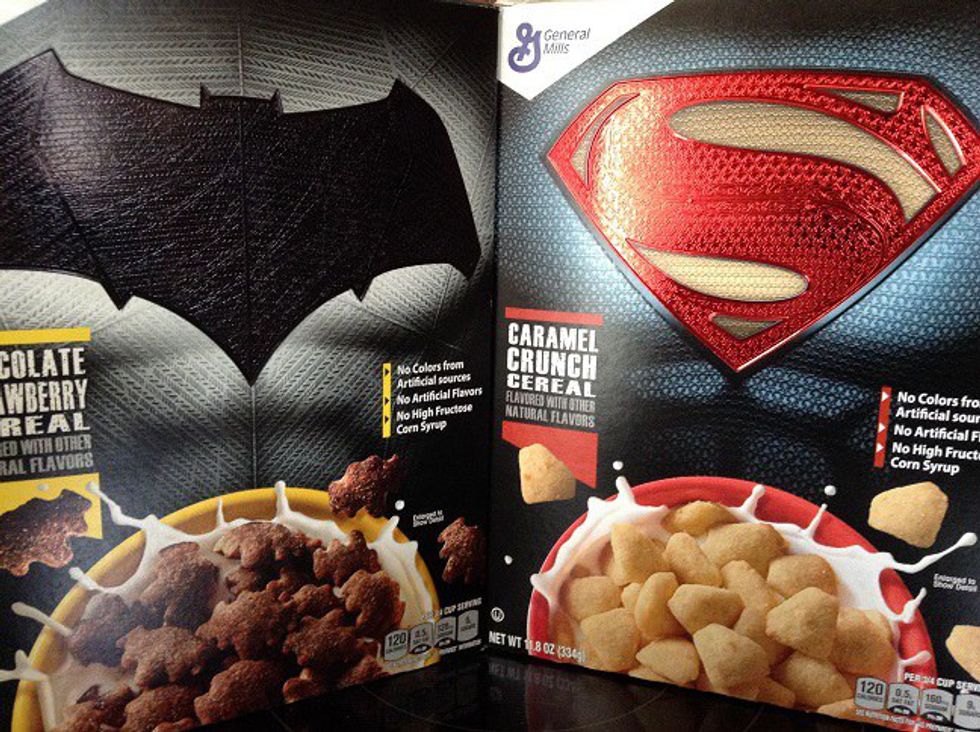
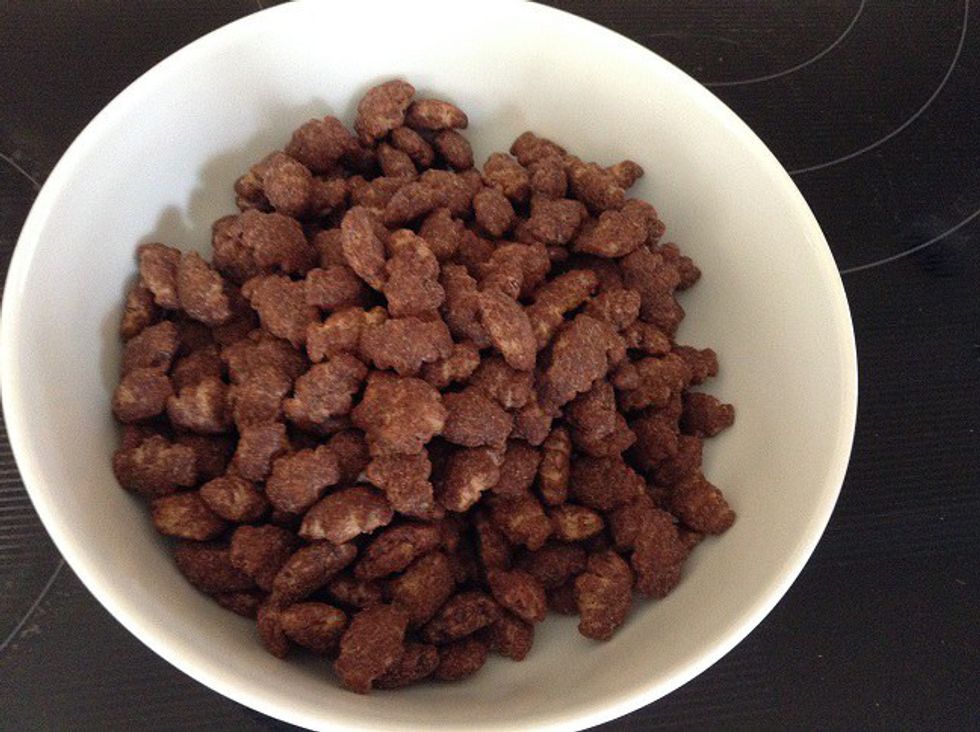
Well, the Batman breakfast experience consists of chocolate-and-strawberry-flavored whole grain puffs in the shape of little bats. The chocolate flavoring represents not just his dark and bloody tendencies but also his humanity -- I challenge you to find 10 people you know who don’t like chocolate (the flavor that tethers Batman to the common man’s reality) -- and the strawberry represents not only the blood he draws from others but also his capacity as a man to bleed. Speaking of bleeding, when you add milk (a pure white staple of society) to your bowl (because you should always pour the cereal first and then add the milk, not the other way around), you will quickly notice that the chocolate dye bleeds into the milk, darkening the entire bowl. Not only does Batman’s presence reveal that Gotham City (the milk) is not nearly as pure and idyllic as the tourism board would have you believe (or else it would not need a brutal vigilante), but this process of corruption also answers one of the age-old questions surrounding the character: Does Batman exist because of his villains, or do they exist because of him? Perhaps Gotham needs Batman to protect it from the darkness that lies beneath the surface, or perhaps Batman himself makes it dark (just as the cereal bleeds into the milk), and villains like the Joker only exist as a response to Batman. The multiple flavors and nuances of the Batman cereal clearly reflect his ambiguous and multilayered characterization.
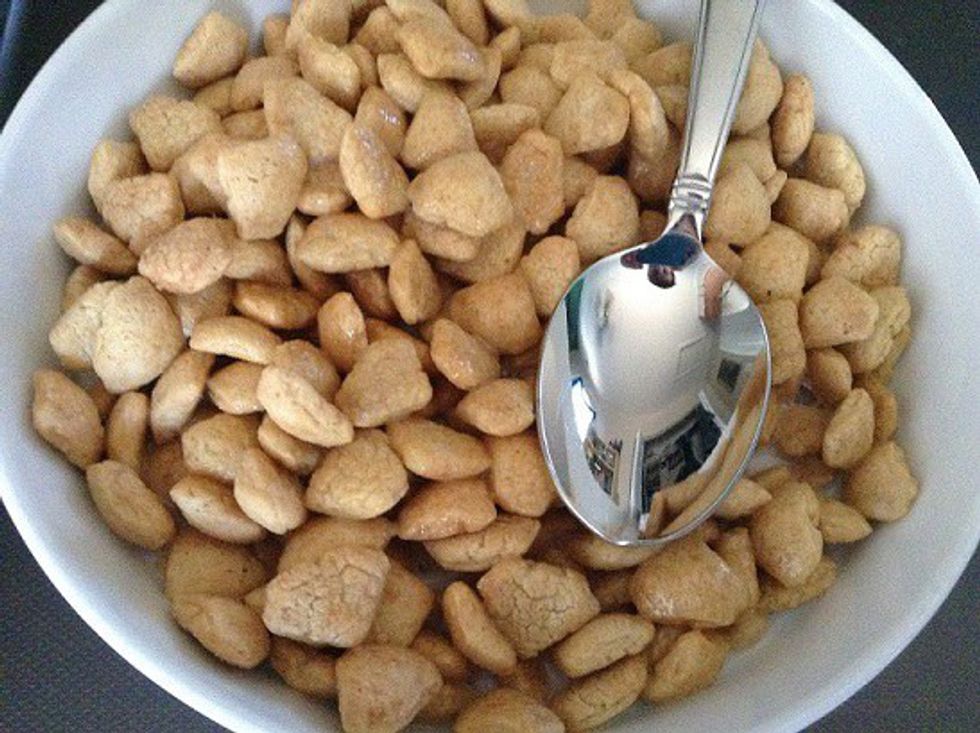
On the other hand, Superman’s cereal is made up of caramel-flavored whole grain puffs in the shape of his “S” shield. The mild, almost bland caramel flavoring hearkens to Superman’s bland, almost vanilla characterization (vanilla-flavored puffs would have been a little on the nose, especially when contrasted with Batman’s chocolate). Just like his cereal, Superman has one flavor, one tone, and it’s pretty basic. OK, maybe this cereal doesn’t capture Zack Snyder’s killer, Superman, but that’s because that characterization betrays the history of Superman, and General Mills has a little more respect for this American icon than Snyder does. Anyway, you can find more symbolic fun in the cereal’s relationship with the milk. Unlike the Batman cereal, the Superman cereal doesn’t really interact with the milk that much. It doesn’t bleed its flavor, and it doesn’t get soggy. The Man of Steel is impervious to virtually all physical assault, so it makes sense that his cereal wouldn’t lose its structural integrity when introduced to milk. At the same time, both the milk and the cereal remain pure but also separate, in the same way that Superman and Metropolis remain disparate. Superman tries to engage and blend in with the citizens of Earth, but he’s not from here and he’ll never really be one of us. Likewise, he doesn’t leave much of an impression on Metropolis since it already started out pure and happy to begin with; he merely maintains the status quo.
Now, you are of course free to draw your own conclusions and support whichever hero you like once you’ve sampled both cereals. Just make sure you're making an educated choice and that you believe in the side with which you will cast your lot. As I said, future generations will look back to these cereals and their respective sales to determine who was right in this conflict and how society reacted to the question posed by this movie. Breakfast truly is the most important meal of the day -- now more than ever. So, with all of this carefully constructed analysis in mind, tomorrow morning when you wake up and feel the first stomach rumbles that signal that it's time for food, before you start your daily routine, ask yourself this question: Whose side are you on?