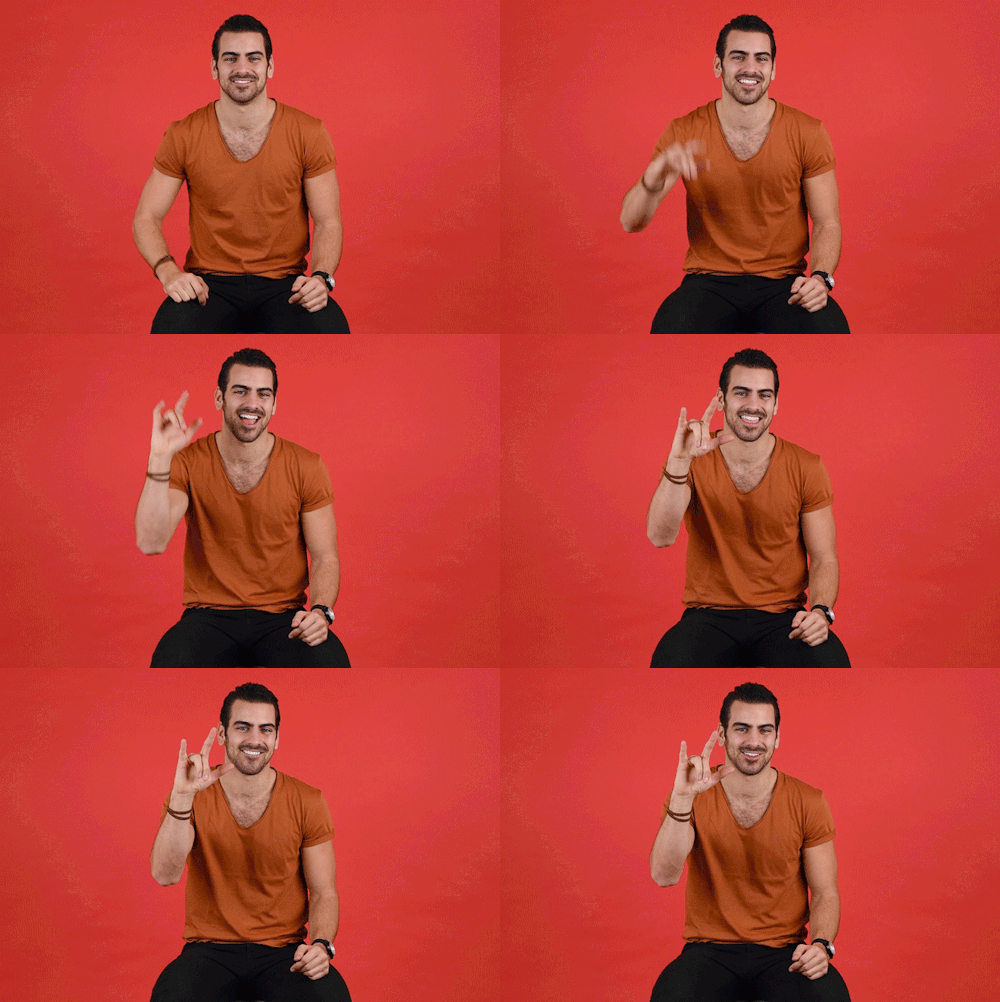
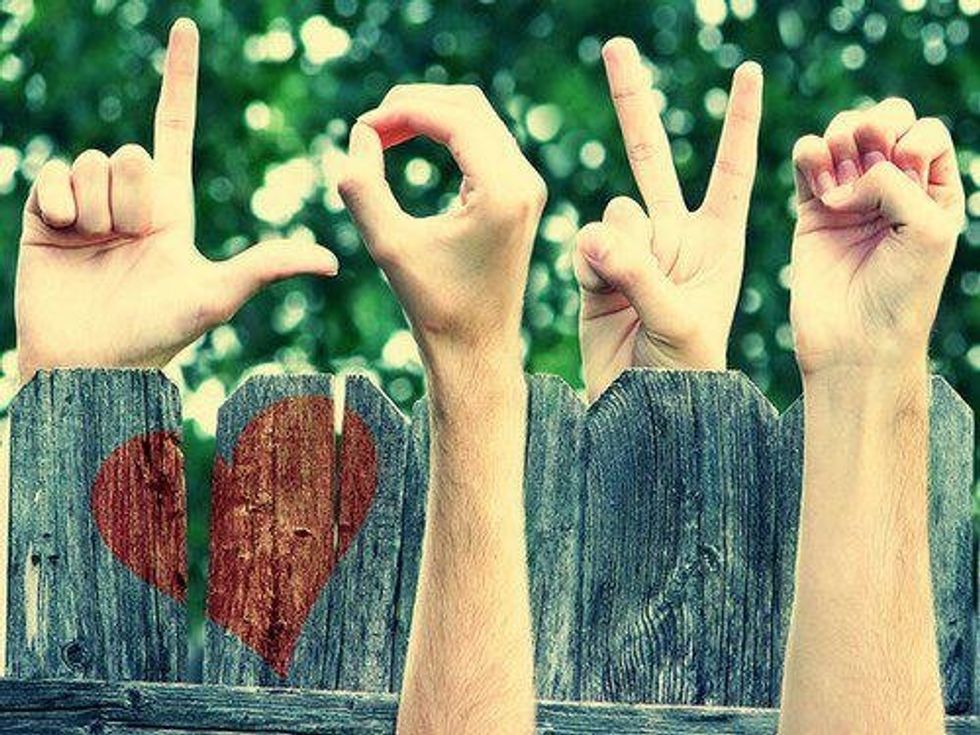
For many years, American Sign Language (ASL) has been used as the most efficient form of communication among the Deaf community. The visual language relies on hand movements and gestures to speak, the same way the hearing use their voices. I am a hearing person, but since I was 15, I had the passion to learn sign language. Now I am 20 and taking my first ASL class. Along with learning this new language, I am also learning about Deaf culture, and I have come to realize the importance of ASL.
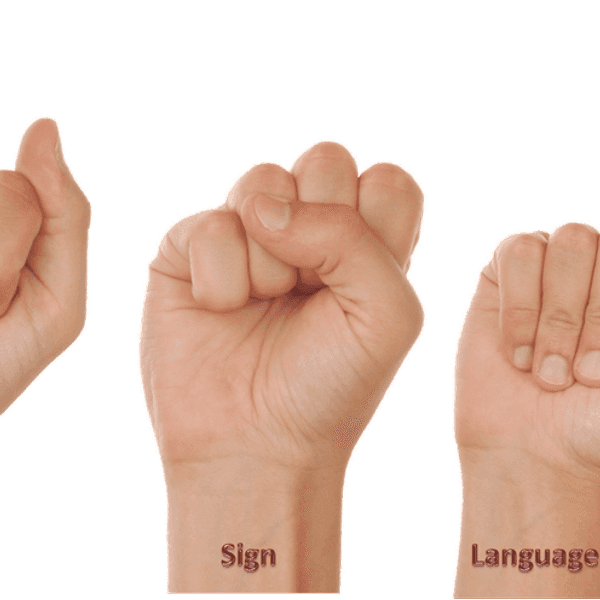
Many people might see sign language as a random series of wrist flicks and finger wiggling, but each movement of the hand has a specific meaning. American Sign Language is definitely its own language with its own alphabet, sentence structure, and culture. When learning ASL, even on your own, it is important to learn Deaf culture with it. There are behaviors that are often seen as rude by those who are hearing, but in reality it is just the way people act in the Deaf community.
Deaf people can often be critical of hearing people, as hearing often patronize those who are deaf. Hearing people will often approach those who are deaf and attempt to help them, but Deaf people are actually very independent. They do not see themselves as disabled or “broken,” but different. They can do fine on their own and do not wish for people to help or “fix” them as they see nothing wrong with themselves. The inability to hear does not make somebody less of a human being. They are still able to do everyday things and communicate.
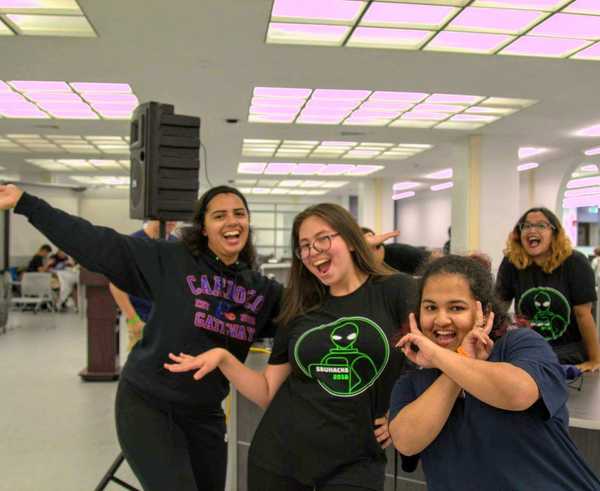
I chose to learn ASL purely for the thrill of it, at first. I practiced on and off on my own for a few years, learning random words. When I got to college, I made friends with two fluent, hearing girls and I expanded my vocabulary to simple phrases. I noticed the way the girls used sign in everyday life. They would sign across crowded rooms, when they ate, or when they wanted to talk without people hearing. I’ve noticed I sometimes do the same, and I find it frustrating when I want to sign in one of these situations but the other person does not know ASL.
As I’ve learned about Deaf culture though, I’ve started to understand how the Deaf community sees themselves fitting into society as a whole. People expect others who have disabilities or differences to fit to the norm instead of making accommodations. One big thing is hearing people expect those who are deaf to get cochlear implants or learn lip reading. In reality, hearing people should learn to adjust to the situations. Learning simple signs can make a big break in the communication barrier between Deaf and hearing people.
One might think that learning ASL can be very difficult, especially when learning from a deaf professor or teacher, but it is much easier than you think. Since ASL is a 100 percent visual language, there is no need to hear a voice. I’ve been able to understand stories my deaf professor has signed, even though I don’t know as much sign language as he does. One never knows when the language could come in handy, especially since it is something that can be used in the situations mentioned before. I would love to see ASL taught in schools and offered as a foreign language credit in high schools. I started learning ASL for fun and now it’s more than just that. It’s important to connect with different groups and communities and learning ASL is one of the best ways to learn about a new culture and pick up a new (and very unique) language at the same time. American Sign Language is more than just wrist flicks and finger wiggling, it’s a whole other world.
To easily pick up phrases and words, visit an online dictionary.