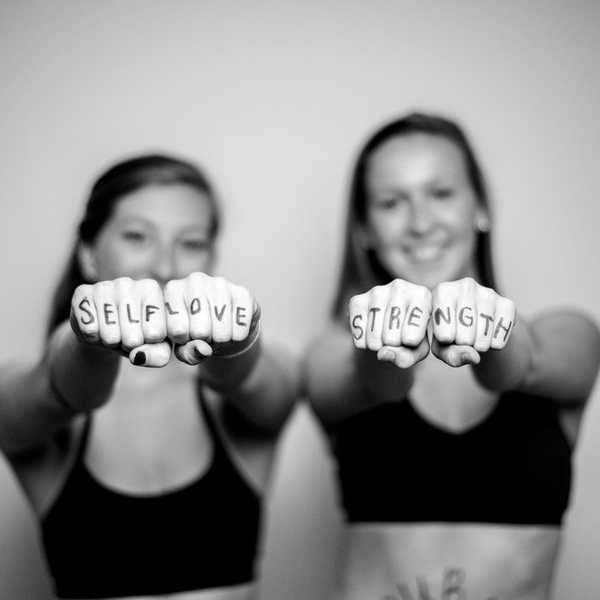


Staying healthy while keeping up with your insanely busy college schedule can be stressful. It's easy to get minimal sleep, gain weight, feel fatigued and experience lack of motivation. What most millennials don't realize is that their health needs to be addressed now.
There is a common misbelief that it is easier to lead a healthy lifestyle post-graduation. However, truth is, if you don't start practicing healthy living today, higher chances are that you probably won't change your lifestyle later. When you are healthy, you are more productive, energized, happy and efficient...and who doesn't want that?
Work Up A Sweat
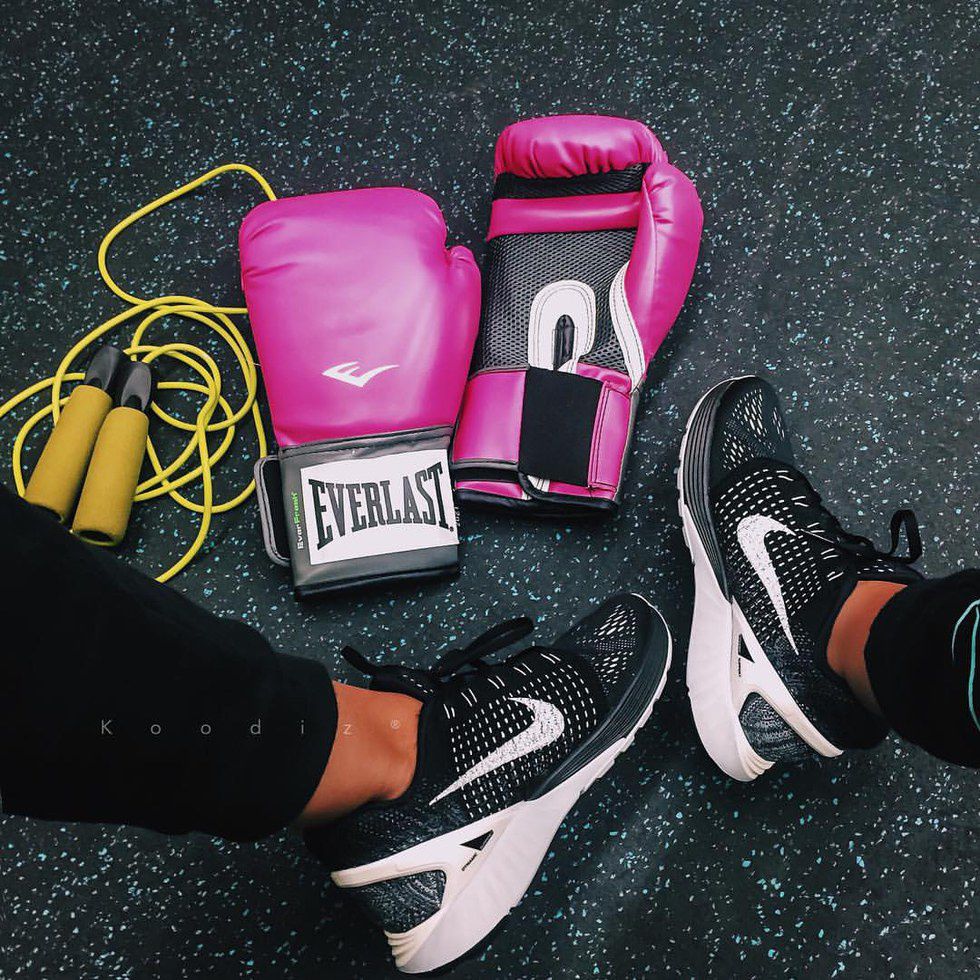
Every campus has a sports center or community gym that you are welcome to use. Best of all, it's free! Make it a commitment to hit the gym two to three times a week. It may seem like a lot now, but once your body gets used to moving regularly, it won't feel as brutal. Getting yourself to the gym will not only help you maintain or lose weight, but will also help with stress levels, body fat percentage and metabolism. When you work out, your body functions more efficiently.
Feel like taking on Kayla Itsines' BBG program? Grab a friend and tackle the gym together. You won't only look good and feel good together, but you'll have extra motivation to break a sweat. Friends keeping friends healthy, it doesn't get much better than that!
Decorate Your Plate
Portion control is an issue across the United States. Making sure that you are getting the right amount of nutrients from each food group is vital to your health. Being in college means you are either on a meal plan and eating in a cafeteria or you buy food for your apartment. Either way, it can be difficult to find healthy eats.
But have no fear! With just one plate, you can follow an easy healthy living guide to make sure you are getting all the nutrients you need. Your plate should be divided up into the following: 1/2 of non-starchy vegetables, 1/4 of protein, 1/4 of grains and starchy foods, one fruit and a beverage. By following this plate you can easily plan accordingly.

Drink Up
Coffee, coffee and more coffee. The amount of caffeine we supply our bodies with as a college student is abnormally high. Although coffee and energy drinks have the power to keep our bodies alive for our long nights in the library, they don't provide any hydration. A big reason we can feel fatigued or dull is due to the lack of hydration. Nonetheless, it's important to drink water throughout the day.
The easiest way to make sure you're staying hydrated is to carry around a water bottle. But don't be fooled! Get creative. Purchase a water bottle and mark times of the day on it. This way, you know hour by hour how much you need to be drinking (and it makes your water bottle super cute).
This daily reminder will help you increase your energy and elevate your mood. Surprisingly, you'll be even more ready for your 10 page research paper.
Alternative: is the taste of water too dull for you? Try Vita CoCo, pure coconut water, to continue hydrating!

Journal
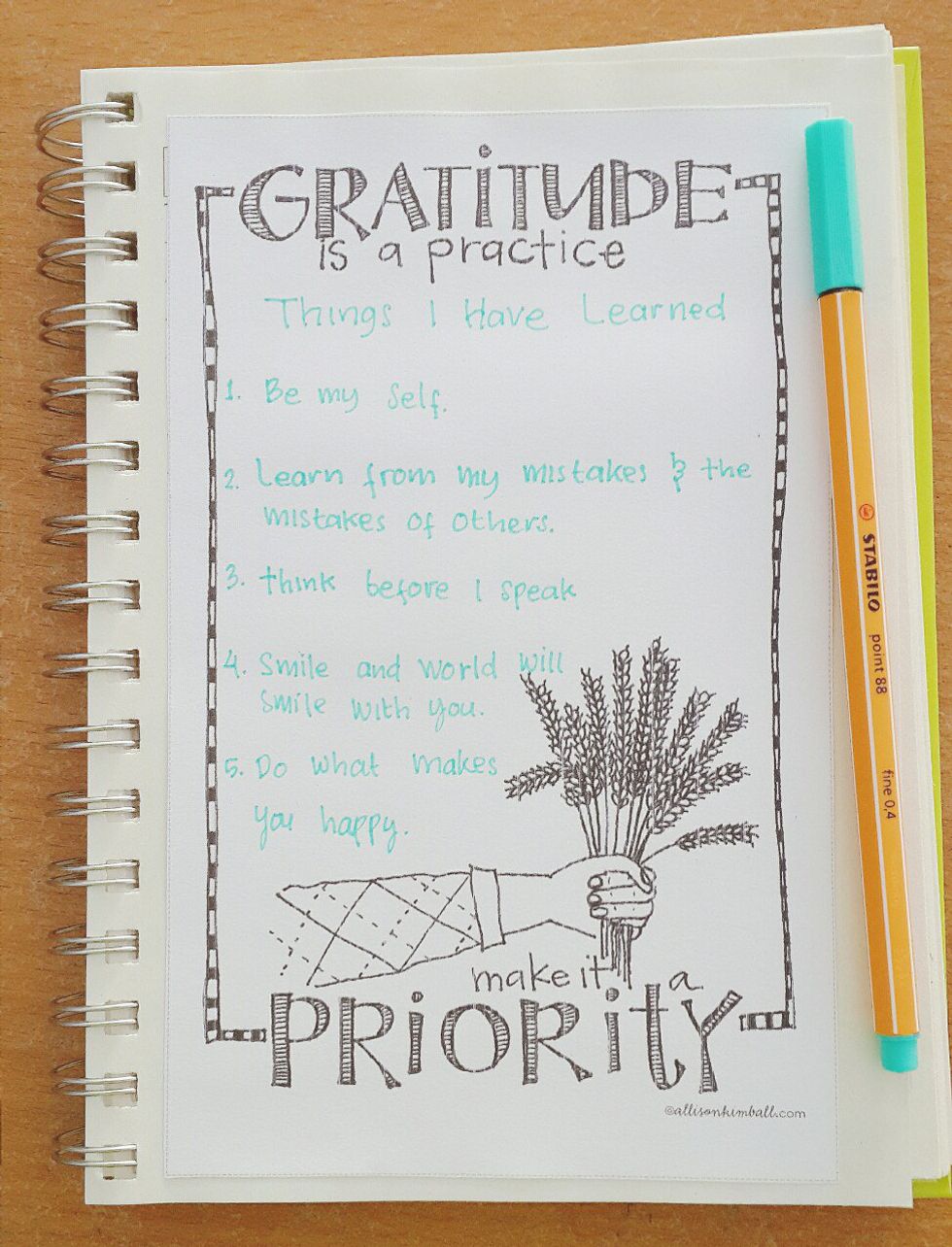
College life can be stressful. Whether you're having issues with boys, dealing with girl drama or drowning in a pile of responsibilities, it's important to find time for yourself. A great way to do this is to write a journal before going to bed. Not only will this help you relax before you sleep, but you will be able to track your good days and your bad days.
By reflecting on each day, one day at a time, you will be able to take a moment to confront your emotions. Mental health is an aspect of health that many neglect. Keeping in touch with your emotions and your daily journeys will eliminate stress, boost self-confidence and provide you with a written form of your college journey. There is no wrong in self-reflection.
Zzz
How many times do you get into bed late at night and simply stare at the ceiling until you fall asleep? How often does that voice in your head keep you up? The importance of sleep is vital to healthy living. One of the reasons you may be kept up at night is if you spend your time during the day studying while sitting on your bed.
Studies show that when you associate your bed with activities that have nothing to do with sleep or relaxation, your body will self-consciously recognize your bed as a place of productivity. So in other words, keep your work and your bed separate. This way, when you go to bed at night, your mind will recognize that you are in a place of rest.
Another way to prioritize sleep is going to bed by 10:30 p.m. and waking up at 7 a.m. Studies also show that early-risers are more productive than late-night sleepers. So get to bed early and wake up to a fresh start. With about 8 hours of sleep, you'll wake up feeling rested, energized and ready for a productive day ahead.

At the end of the day, you decide how to take care of your body. Treat it well and treat yourself.