
I am five feet, ten inches tall in my socks. I have short brown hair and blue eyes. I carry a notebook everywhere I go. I am a writer, photographer, singer, actor, director, producer, dancer, composer, lyricist. I am socially and culturally engaged.
And if one more person calls me "cute," I'm going to lose it.
If I weren't a female-bodied human, it would be different.
If I hadn't existed for most of my life as someone usually perceived as feminine, it would be different.
Unfortunately, both of those things are true, and that word follows me around wherever I go.
Most recently, a tiny example:
My short hair is a recent development. I'd had the same haircut (albeit at varying lengths) since grade 8, and since I just finished my bachelor's degree, I figured it was about time I made a change. It wasn't a brash decision. I'd been thinking about it for 3 weeks - probably longer.
The second I cut it, though, the only word anyone could think of to describe it was "cute." And maybe that's just a word people throw around to describe a new haircut when they can't think of something else to say. But something about it didn't feel right.
And it kept happening. In the 2 weeks since I cut my hair, all but one of the people I've seen since then have used that word.
But when I expressed something to that effect to a few friends, they all said I was taking it too personally. It's just a haircut. Why does the word people use to describe it really matter?
As I've thought back, though, I've seen that word in places where it makes a much greater difference than with a haircut, or even a particularly well-chosen outfit.
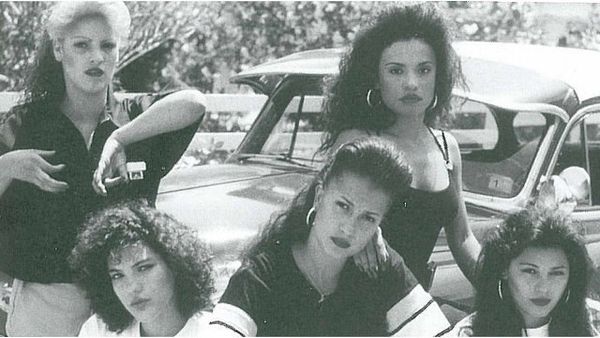
I took a black and white film photography class during my last term of undergrad, and I was particularly proud of the work I did on my final project. With six female friends of mine, I recreated the movie poster from Bridesmaids (2011). However, without fluffy pink dresses and a sassy title, against the backdrop of Lake Michigan and the Chicago skyline, the image took on a far more subversive tone. Women, taking on the stereotypes forced on them by society, standing in solidarity, as opposed to filling in the blanks deemed by audiences and critics to be acceptable for them to inhabit. In other accompanying images, I showed these beautiful women for the wonderful and inspiring people I know them to be. Alongside the central photograph, it was meant to be a distinctive reminder of the power ownership gives us over outside expectation.
Three - not one, three - people in my class called it "cute." I should mention that two out of the three were male.
Farther back. Over the course of an 8-year professional partnership and friendship with a former mentor of mine, I showed them numerous songs I'd written, looking for feedback. His first word for all of them was "cute." And he didn't say much else. Just to "keep it up."
I could go on, but it would just be the same pattern over and over again. I've been sitting with this for the last 2 weeks, and what I've come up with is this:
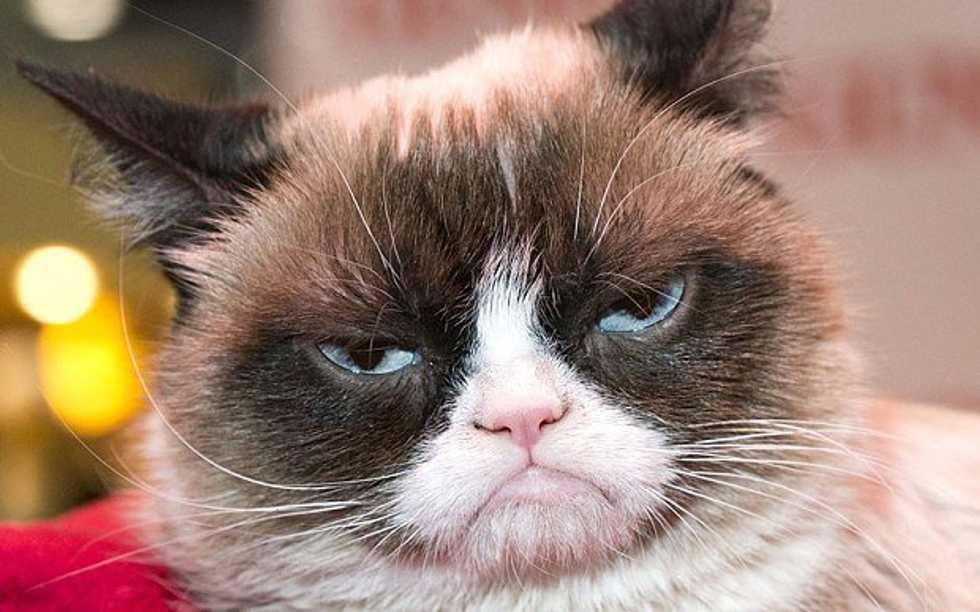
"Cute" is diminutive. It makes things small and manageable. It is applied to cats, dogs, sloths, rabbits, babies, and girls. Things that are considered companionable or harmless, despite their innate ability to do damage, to rock the boat, to bite and leave marks. "Cute" is what you say when you're afraid to give things the weight they deserve. Whether something is striking or powerful or disturbing or beautiful - cute is the placeholder word that both erases and highlights without causing a scene.
"Cute" is the artificial sweetener of adjectives. Harmless on the outside, it has all the taste and succor of a compliment. Underneath, it is poisonous, insidious, and rots away at everything of substance.
Call me "cute" one more time. I dare you.