

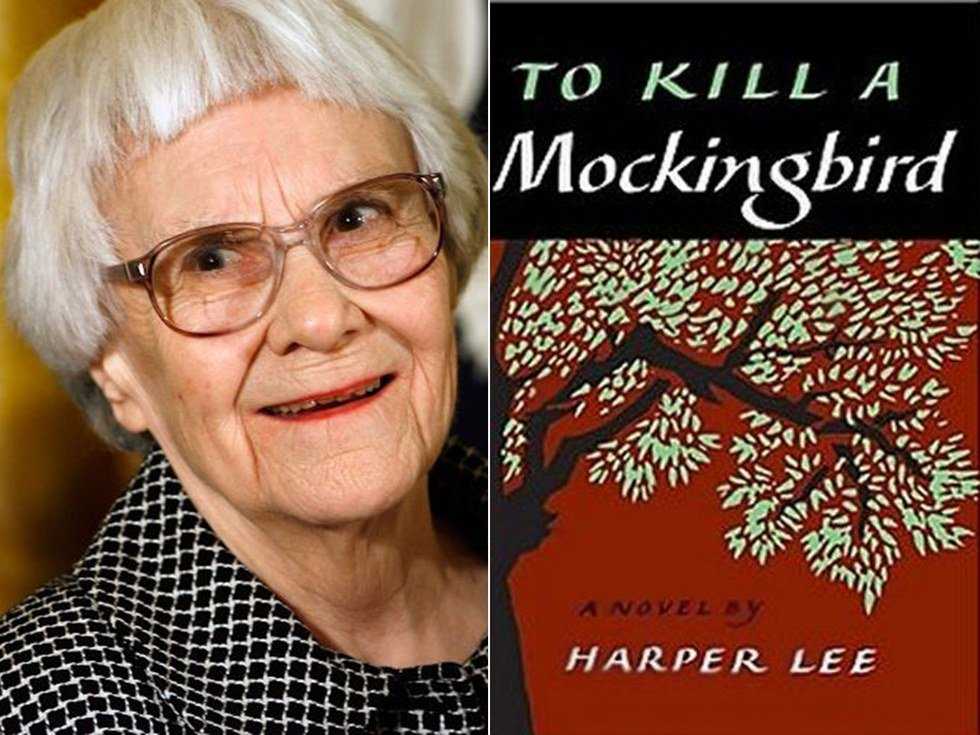
It is a dark week for writers, readers, and lovers of the written language everywhere. Harper Lee, the author of the beloved American classic "To Kill a Mockingbird," passed away on February 19th, 2016 at the age of 89.
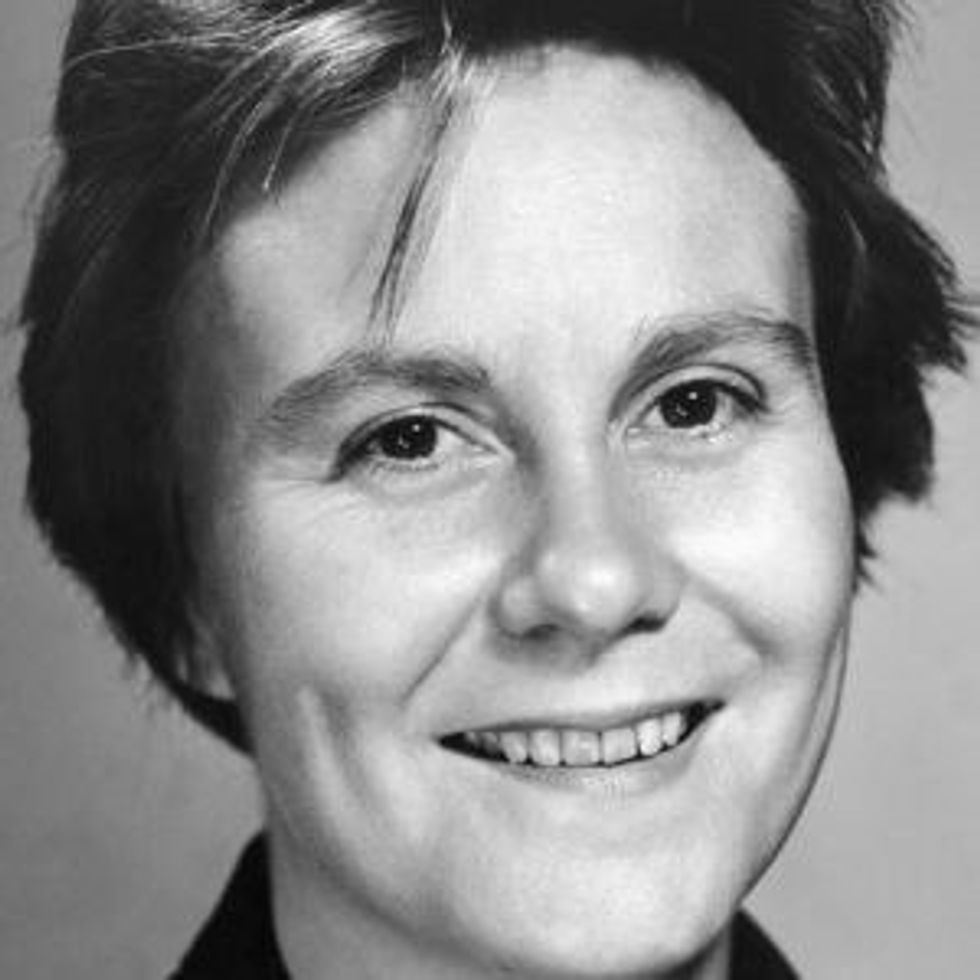
Harper Lee, pictured above, published two novels in her career. Nevertheless, she is regarded by many as one of the most important authors in American literature.
Harper Lee's southern gothic masterpiece, "To Kill a Mockingbird," follows the adolescent journey of Jean-Louise "Scout" Finch as she grows up in the Alabama town of Maycomb. In 1961, Lee's novel was not only a national phenomenon but went on to win a Pulitzer Prize. Critical acclaim continued the year after Mockingbird's publication, with the release of a film adaptation of the novel starring Gregory Peck. Years later, Lee would be award the Medal of Freedom by President George W. Bush.
Lee once again took the American literary world by storm when, last year, she published a sequel to her critically acclaimed novel. A controversial work of prose, "Go See a Watchman" was not received as well by critics but nonetheless performed very well commercially, evidently setting a record for highest number of day-one sales in adult literature.

Despite controversies surrounding the authorship of her early work and the validity of Watchman's publication, Lee still towers in her reputation as an author.
Yet, humor if you will. I feel that simply remembering the historical, factual elements of this literary legend's life is something of a disservice to her name. A person is more than the sum of their accomplishments, and while Harper Lee's accomplishments have certainly come to define her, perhaps we'd be wiser to look more deeply at her legacy.
Let's not forget that Harper Lee's literary career was fraught with trials and tribulations. The works of her close friend, Truman Capote, tangentially threatened her own credibility as an author, and were it not for the kind patronage of her editor, Tay Hohoff, it's entirely plausible that the story of Scout Finch and Boo Radley would never have come to fruition.

Therese von Hohoff Torrey, more commonly known asTay Hohoff, is largely responsible for aiding Lee in constructing the published version of "To Kill a Mockingbird."
It's also easy to overlook the impact that the novel had on Lee's life. "To Kill a Mockingbird" is often hailed as one of the most important novels of the twentieth century, and with such a powerful "first act," so to speak, it's quite easy to see why Lee never wrote another novel. Even the "followup" to Mockingbird is less of a novel than a published original manuscript. Lee's work defined her, but it also consumed her.
I know I speak for many of us when I say that Harper Lee's passing is devastating. For many, myself included, her work served as a prosaic stepping stone, an introduction into the world of adult literature. Despite all of the controversies, Lee objectively provided the world with a crucial text, one which shaped future generations and infused many readers with a longing passion to seek out justice and equality.
The world, both of literature and at large, will not be the same without you, Ms. Lee. May you rest in peace.