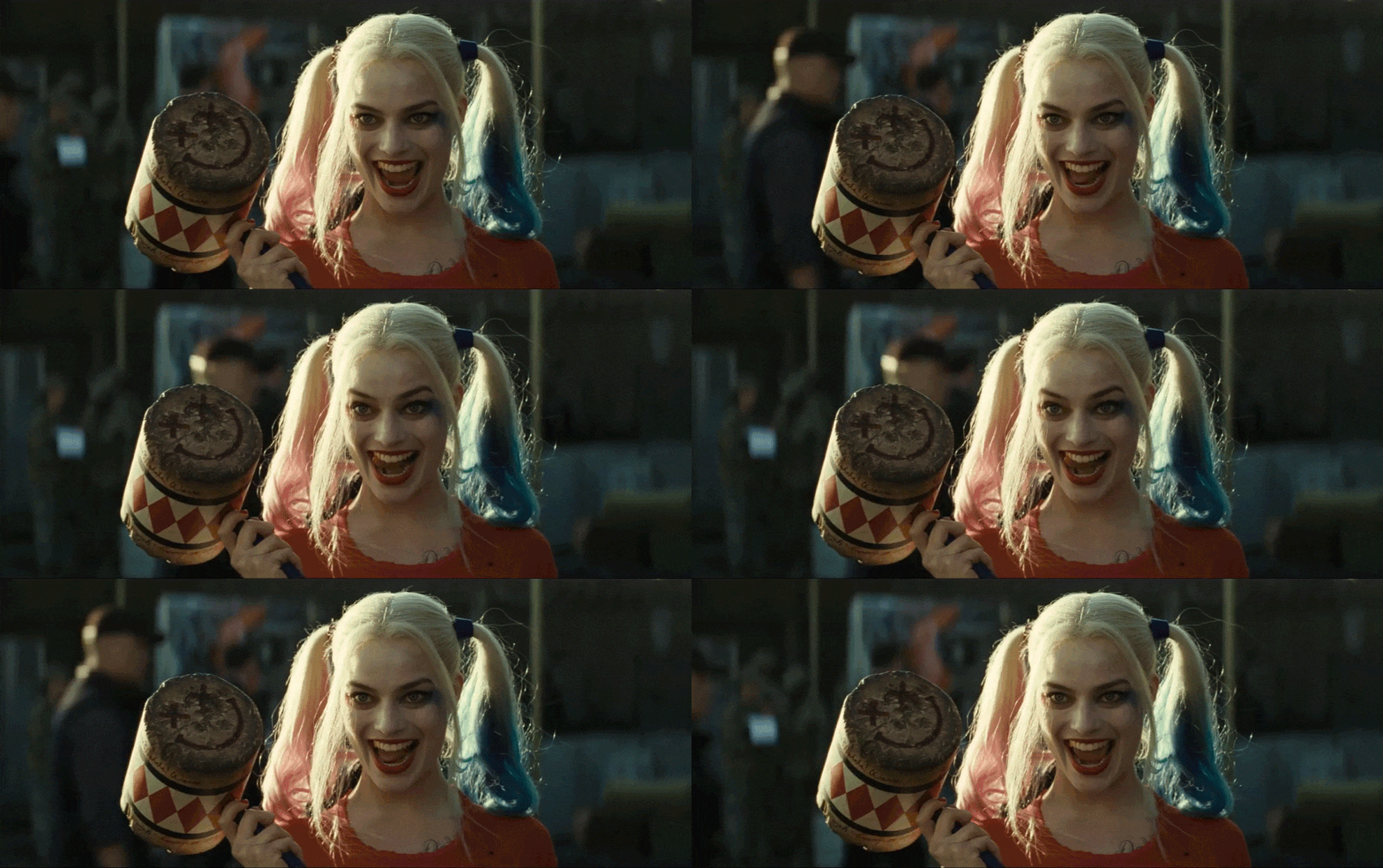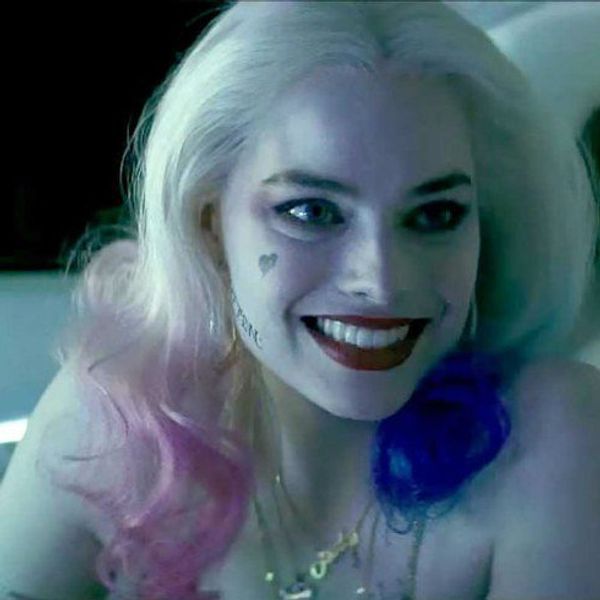
There has been a lot of talk about Harley Quinn ever since the release of the first “Suicide Squad” trailer, and especially now that the movie has officially hit the big screen. Most of those conversations revolve around the misconception that the Harley Quinn portrayed in the film is over-sexualized when, in reality, she remained completely true to her original character.
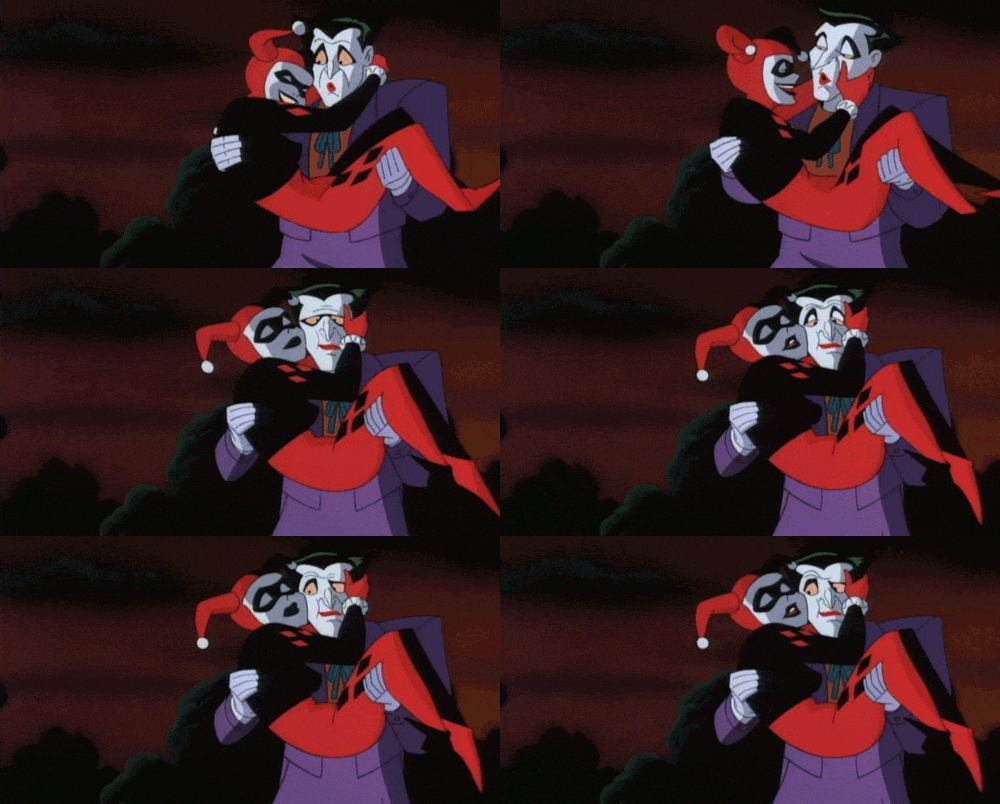
Quinn first appeared on “Batman: The Animated Series” as a sidekick to the Joker and, due to popularity, became a recurring character on the show. Throughout the animated series, Quinn sports a red and black, skin-tight, jester costume. While the outfit may not seem entirely sexual, the character herself is extremely sexual throughout the longevity of the show.
During the popular episode, “Mad Love”, Quinn vies for the Joker’s attention while wearing a red piece of lingerie. As the Joker works, Quinn says, “Oh, come on, Puddin’! Don’t you wanna rev up your Harley?” The statement is clearly suggestive and there are plenty more just like it throughout the show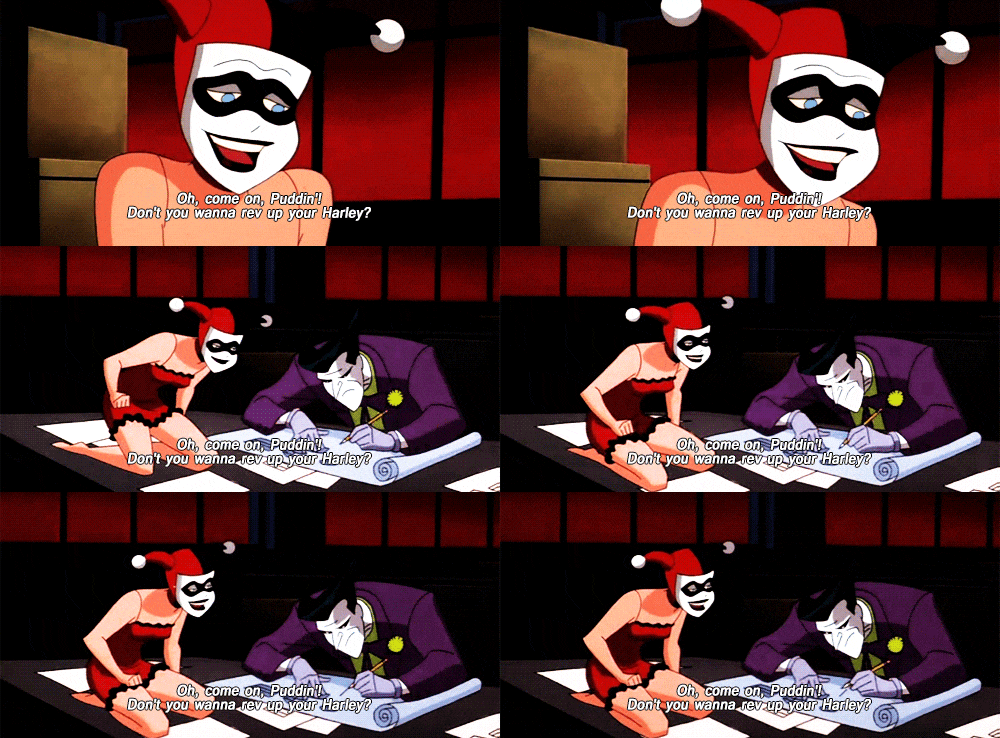
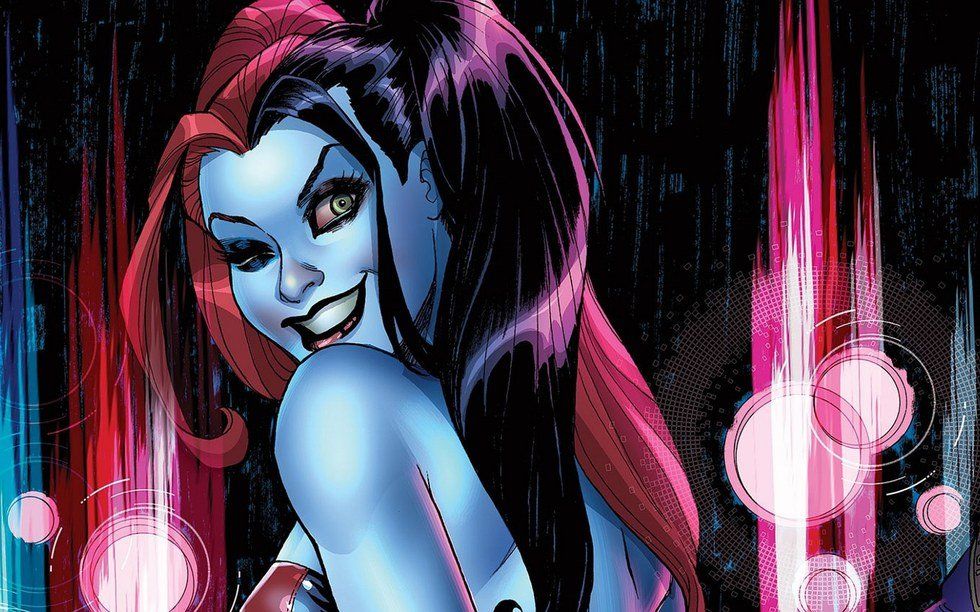
Quinn’s appearance is revamped during the creation of the New 52 comics. She wears a multitude of outfits, including a corset-like top, short-shorts, and knee-high boots in the Suicide Squad comics.
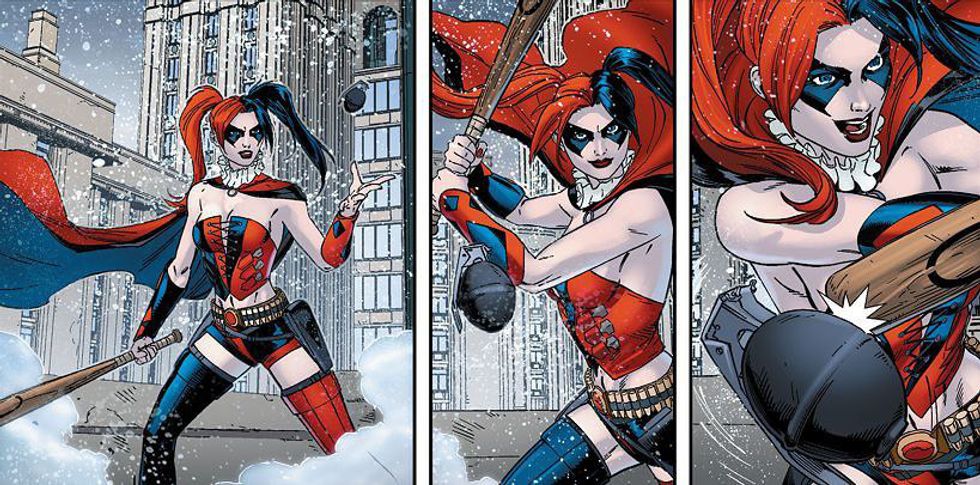
The character itself continues to be extremely sexual which is especially seen in the release of the New 52 Harley Quinn comics. A sexual relationship between Quinn and the supervillain Poison Ivy is strongly hinted in the comics and is something that once again goes back to character's original origins.
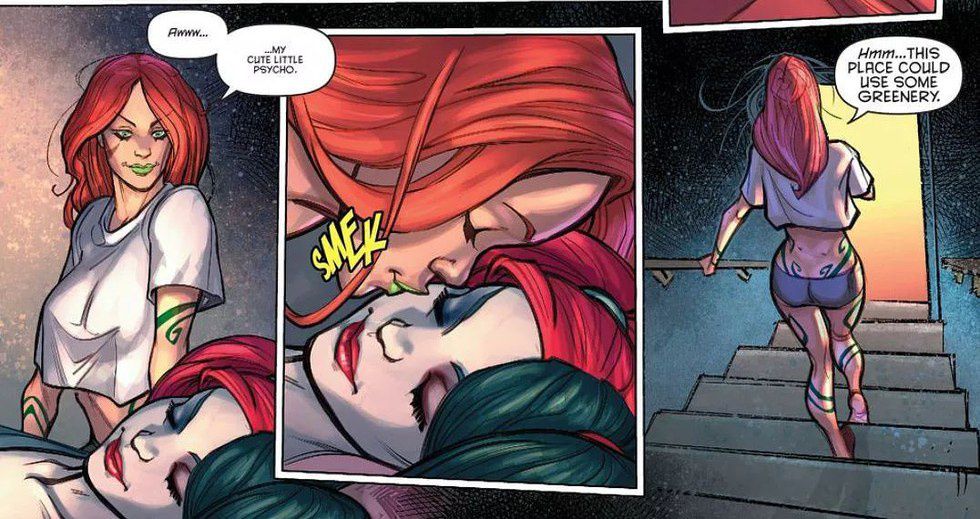
While there is a lot more to be said and seen when it comes to Harley Quinn's sexuality, it is undeniable that the character was meant to have sexual aspects since her creation. Truthfully, the Harley Quinn portrayed in the Suicide Squad movie is dressed a lot more modestly than the one in the comics.
The film remains true to the character of Harley Quinn, even bringing in Easter Eggs such as the famous jester suit she wore when she was first created.
Harley Quinn is not over-sexualized. The argument you may be searching for is that female comic book characters have always been "over-sexualized. "
But that is a different article altogether.