

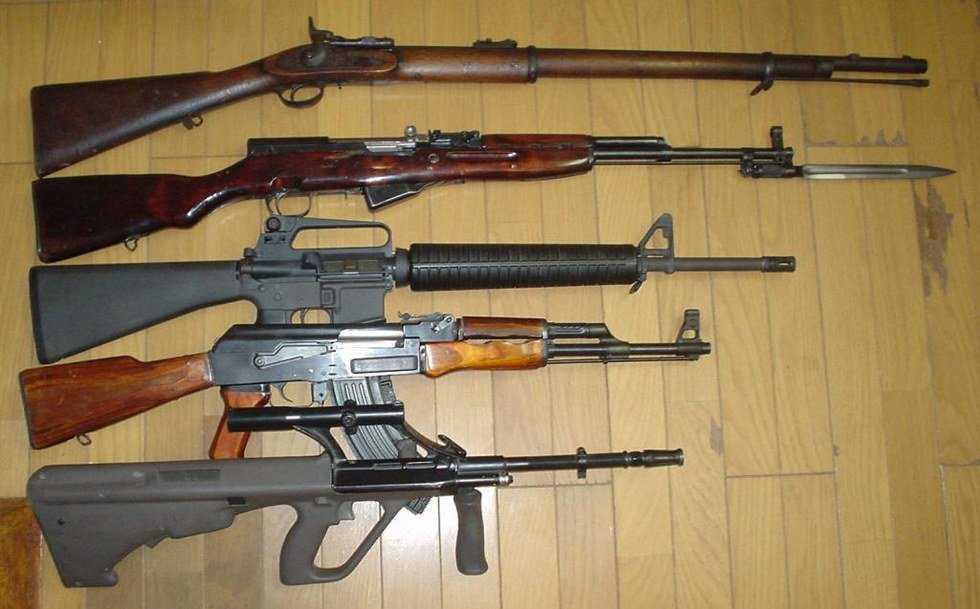
When a mass shooting occurs, it is obviously a tragedy. These tragedies are sometimes preventable, but other times they are not. People from across the political spectrum have suggested ways to "prevent the next mass shooting." Sometimes, the proposed actions are extremely polarized, from the criminalization of all firearms to allowing ease of access to weapons for "law-abiding citizens." Others are simply content with the current gun laws. The reasons people hold these sentiments can be attributed to many causes, including but not limited to personal experiences with tragedies involving firearms, faith in law enforcement, self-perceived altruism, or machoism. However, there are moral and functional problems with both ends of the spectrum and the most beneficial solution would come from in between.
The issue with banning all guns and limiting access only to police and military are not only functional, but also moral and epistemological. Sure, money may be an incentive for individuals to turn in their guns, but will that guarantee everybody that owns a gun will do so? Weapons that are imported or produced illegally may not be known to authorities and those who possess such weapons are probably involved in illegal activity themselves and use them to gain a physical advantage over adversaries, be it other criminals or law enforcement or civilians. Furthermore, with the proposed legalization or de-regulation of potentially harmful items such as recreational drugs or alcohol, why cherry-pick one of many potential dangers? Mass casualty attacks can be accomplished without firearms (google Bath School killings and recent knife attacks in China that killed many people).
On the flip side of the token, the logic of the "good guy with gun beats bad guy with gun" argument is an issue in and of itself. This video sums it up pretty well: the soldiers were foolish enough to give the chimpanzee an assault rifle and egged it on to fire it. There is no internalized racism here. It's pretty cut and dry that guns do not belong in unqualified hands. They could be as, if not even more dangerous than a criminal with a gun. With that said, with the advent of Dahesh and other militant groups and extremist militias in the United States, those who would use guns to do harm are becoming highly trained in weapons use, something that many American gun owners do not have.
With all that said, what's my solution? The following proposal strikes a balance between public safety, national security, and spending, as well as preserving the hobbies of shooting and hunting without limiting peoples' rights to engage in them. Firstly, all firearms should be legalized for possession and anyone wishing to purchase one must do the following: receive standardized firearms and combat training and participate in a citizen's militia program similar to the Swiss model (where military service is mandatory and all households with service members owning a rifle). This could reduce the costs associated with maintaining a standing army and convince the world that our military expenditures are used primarily for defense. Furthermore, only those serious about firearms and those who acknowledge the responsibility associated with gun use can legally own a weapon.
In addition to the aforementioned legalization of weapons, all ammunition and gunpowder are to be restricted. As a result, it can only be obtained in places such as hunting grounds and firing ranges. Therefore, without access to ammunition, a rifle simply becomes a fancy stick. Furthermore, in the case of a national emergency where citizen's militias must be called up, those previously trained and registered above would be given rations of ammunition. Since an unloaded firearm is about as effective as a stick in combat, there would be less risk of serious injury or death from misuse of firearms if ammunition was tightly controlled. Anyone who violates the regulations would be banned from legally possessing firearms.
Shooting is a hobby that teaches many skills: awareness of one's environment, familiarity with equipment, and of most importance, responsibility. However, responsibility in terms of gun legislation has to come from throughout the gun control spectrum. The purpose of this writing was to suggest a model that demonstrates attention to public safety and personal freedom, with resulting political and economic benefits.