
As we've all been hearing so frequently in the news this summer, Greece’s economy isn’t doing so hot. In fact, they’ve become entirely bankrupt and have been in negotiations for months to settle on a new bailout deal with their creditors. This basically means that Greece’s officials bargain with those who lent Greece money to figure out a plan on how Greece can pay them back and survive economically.
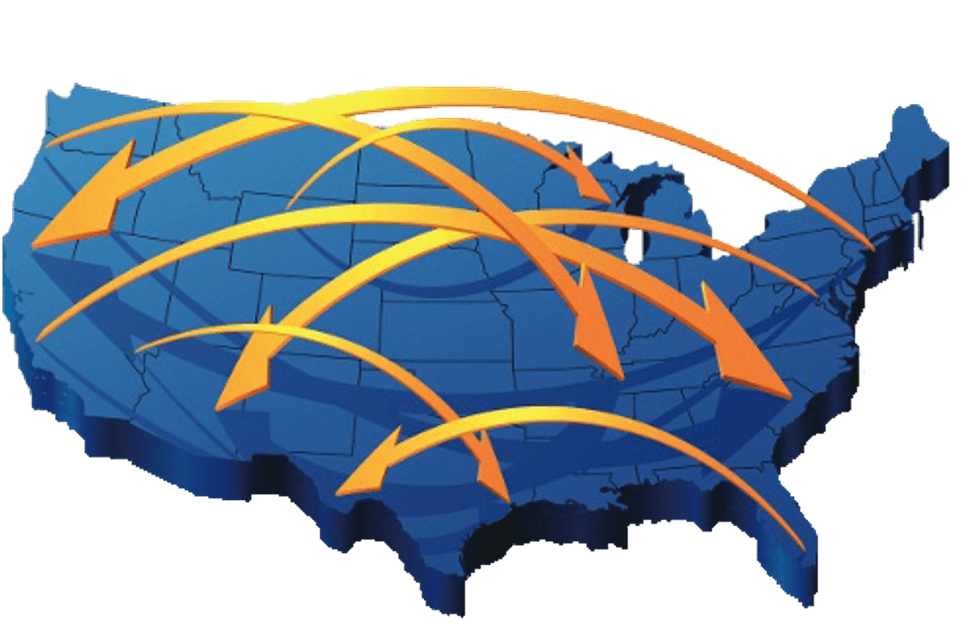
As a little backstory, Greece became part of the Euro in 2001. Now, the Euro idealistically should work as the dollar does in the U.S. Unfortunately, that isn’t the case. The dollar works profoundly better because of the way money is transferred between political boundaries. Take New York and Alabama for example, New York is a much wealthier state than Alabama. Thus, the money that New York accumulates for the federal government does not stay in New York alone. It gets redistributed amongst all states through Social Security and the welfare system. In essence, a portion of New York money is constantly being transferred to poorer states (like Alabama), but rather than considering it a “loan” the government understands that under one unit of currency, the circulation of money is crucial to keep it afloat. New York doesn’t expect Alabama to pay it back, nor does it lecture Alabama on how it should be more like New York.
Now in the Eurozone, richer countries are not willing to support the poorer ones without being assured of definite repayment of their loan.
Since Greece’s first GDP collapse in 2010, Greece's primary lenders in the Eurozone initiated several bail-out plans because it was afraid of a domino effect that would force countries like Italy and France out of the Euro. Its most recent bail-out plan offered Greece cash in exchange for following incredibly strict rules on how the country is allowed to spend its money (you’ve probably heard this referred to as austerity measures). A public vote, called referendum, denied this cash-for-austerity plan, indicating the Greek people’s passion not to be controlled.
Regardless, banks were still closed and strict economic monetary controls were put into place. The Greek people are poorer than ever before. However, this hasn’t diminished the Greek spirit. As everyone is forced to pay higher taxes, especially businesses, business owners are reluctant to raise prices. Their primary concern is making their patrons comfortable and happy. The concept of hospitality is a crucial piece of life and the most important social attribute in Greek culture. Greeks have said multiple times that they would rather go hungry than be “blackmailed” by Europe. These claims are followed by assertions that "if [a Greek] no longer [has] enough to eat, [they] know that [their] neighbor will always give something” (Huffington Post). People are very quick to rely on their small gardens, their boats for fishing, and their own livestock. They also rely on other people.
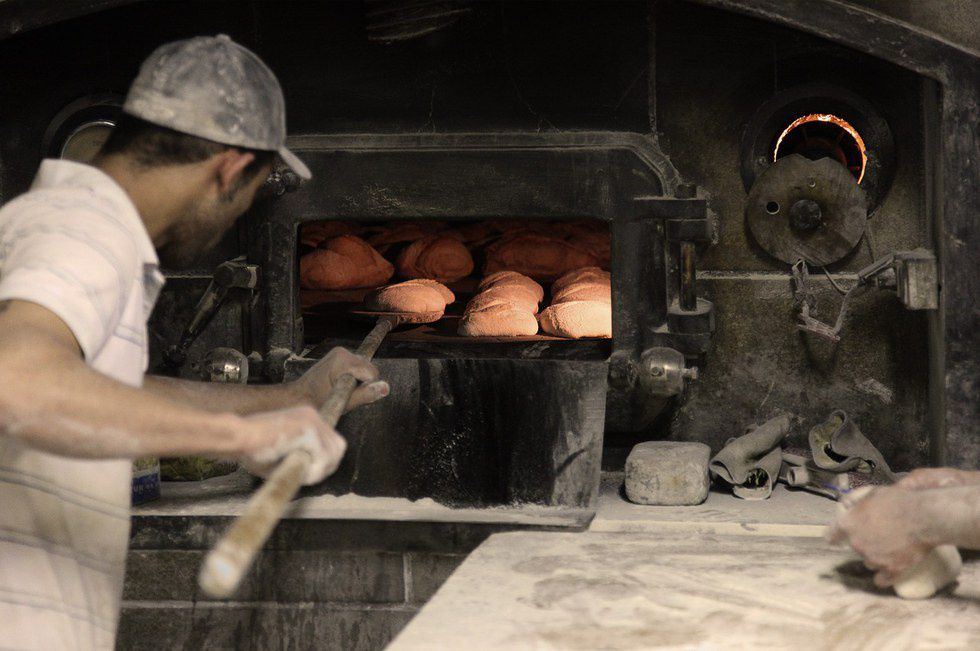
This is the true beauty of Greece and its people. Business owners all over the country express that hospitality, and love for other people is far more important to them than money. It’s a mentality that many other countries in Europe struggle to understand. A business owner said, “Here, we are interested in human interaction and emotions.” Caring for and loving other people is something Greeks are taught from birth and these virtues are held near to their hearts. Some bakeries are even giving away free bread as long as the banks are closed.
Sellers at farmers' markets and street vendors are giving away leftover produce for free because if they keep it on the ground, that they can make no money off of it, it will rot. Greeks would much rather feed a neighbor than worry about their lack of profit.
It’s a lesson on humanity, empathy and community that we can all learn from the Greeks and use every day.