
Two weekends ago, my friends and I got together and watched “Grease: Live!” We oohed and awed over the new cast and the incredible performance they put on. Vanessa Hudgens, who had just lost her father a couple of hours before the show, put on a stunning performance as Rizzo, and she might just have been my favorite part of the show. Julianne Hough as Sandy worried some, but she pulled off the goody-two-shoes role quite well. Basically, the whole cast was wonderful. But there was one thing I noticed watching the musical with friends that I had never noticed in all my times of watching the original movie: “Grease” promotes sexist behavior. Now I know this is a bold statement to make, and that many people will get mad at me for attacking a classic film. But let me explain.
The movie takes place in the ‘50s, so that can explain some of the sexist behavior, but it doesn’t excuse it. Stereotypical gender roles are hard at play in this “fun” representation of high school. The girls prance around acting like objects the boys are supposed to try and catch, all while giggling obnoxiously.
“Grease: Live!” tried to get rid of the giggling, bimbo girls, and other sexist ideas while still trying to stay true to the original film, and in that, they somewhat succeeded. For example, in the movie one of the rules during the dance competition is that all pairs must be made up of a boy and a girl. This obviously promotes heteronormativity, and so to get with the times “Grease: Live!” threw out that rule altogether.
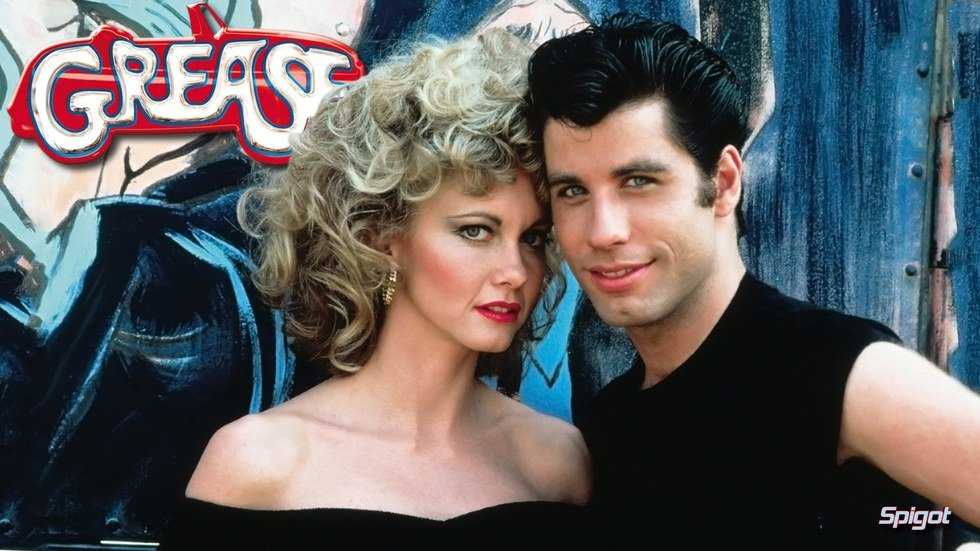
Despite their attempts to modernize and get rid of the extreme sexism, “Grease: Live!” couldn’t escape all of it in order to stay true to the original. Danny Zuko is a character who is known as a ladies' man, a man who knows how to get what he wants. He’s a charmer, but he’s not a nice guy. John Travolta’s portrayal of him was the typical bad boy who liked having girls chase him, but got them chasing him by simply ignoring them or being rude. Yet somehow sweet Sandy falls for this, and she falls hard.
OK. Let’s talk about the famous drive-in scene. Sandy has decided to go on a date with Danny, despite the fact that she was mad at him for treating her differently than he did that summer at the beach. If this hadn’t set warning bells off in Sandy’s head, I don’t know what would have. Danny is obviously acting up for his friends, and he was acting for Sandy that summer. Boys often try to act sweet around girls, thinking it will get them somewhere. Whether they did anything or not, they then go and brag to their friends. At the drive-in theater, Danny is fed up, believing that he has done enough to earn a little feel of Sandy’s boobs. I was surprised while watching the movie because so far Aaron Tveit’s Danny hadn’t seemed so aggressively mean compared to Travolta’s. He doesn’t outright ignore Sandy once he learns she’s going to his high school, but just tries to stand silently in the background when their friend groups interact. Travolta’s Danny outright hurt Sandy with his comments, whereas Tveit chose to keep his mouth shut. But then came the drive-in scene, and the boob grab. I don’t remember it being so aggressive, but combined with Hough’s low-cut top she wore for the scene and Tveit’s eagerness, the attempt looked completely aggressive and downright creepy. That was the first time I was utterly shocked and fully realized how sexist “Grease” is. It shows men that they can basically do whatever they want to a girl, because even if she does get mad she’ll eventually come back to you and love you forever.
Now let’s talk about the real problem: the ending. The message the movie is supposed to give out is that love can conquer anything, even different personalities. Danny and Sandy supposedly change for each other, becoming more like the other person in order to be liked. This promotes the idea that you have to change yourself in order for a person to like you, and completely blowing the idea of “being yourself” out of the water. While this message in and of itself is terrible, it gets worse. Danny hardly changes in the original--he throws on a letter jacket and basically tells Sandy to “Come here, babe.” (At least in the musical version he actually letters in track, which is proof he actually did something besides put on a jacket.) Meanwhile, Sandy goes through a complete and total transformation to win back her man, when in reality she was the only reason they weren’t together because she was the one who broke it off with him. “Grease,” tells women that they must change for their men, and while Olivia Newton-John and Julianne Hough both looked smoking hot in those tight leather pants, that outfit promoted the objectification of women and told young girls how to (wrongly) get a man.
I’m sorry if I ruined the classic movie “Grease” for everyone, but I wanted people to see that it isn’t the most awesome rom-com you’ve ever seen, like some people may believe. Many rom-coms promote the objectification of women, but this movie seemed to do it in so blatant a way I felt it couldn’t be ignored. I’m not saying you can’t still enjoy “Grease"; it still has some awesome music. Just don’t look up to Sandy and Danny as the ideal couple.