
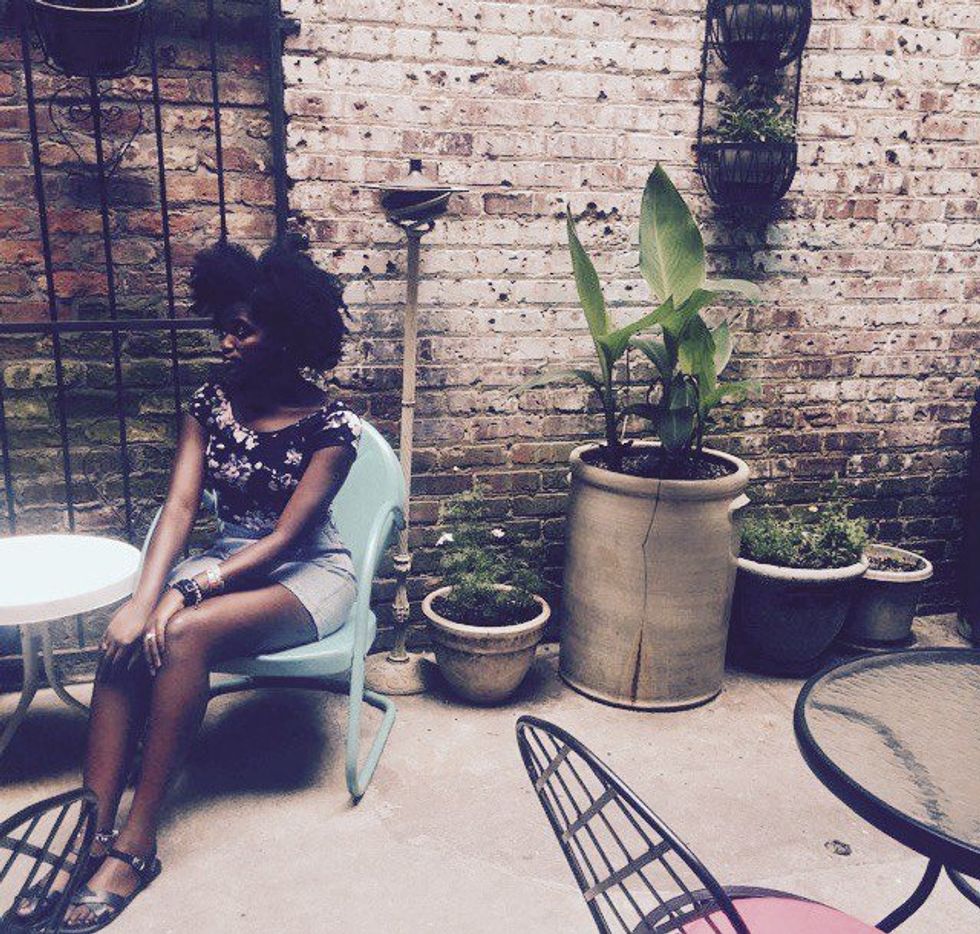
Aubrea Shackleford, 19, settles into her side of the bed with her rose gold phone in tow. While I giddily connect my laptop to her television, she focuses on Snapchatting her multitude of friends, some from campus, some from home. I turn around as soon as everything is up and running on my end, seeing if her level of anticipation matches mine. It does not. Conversely, her roommate, a close friend of ours named Caroline, is excited wholly, and joins me in something akin to lamaze breathing before I press 'play.' The two of us then squeal together, and by this point, I'm pretty sure Aubrea just doesn't get our deal. She, a communications major, comes from "Gossip Girl" after all, and I love that about her. That just means she has a fresh insight to offer about the things I enjoy, like "Daredevil" for instance. And after pressing 'play' and scrambling to find my seat, I sense that when we finish our viewing Aubrea will have a lot of fresh input to supply.
When we last left "Daredevil," he had just conquered the seemingly impenetrable Kingpin, returning to his humble law practice with his partners in vigilance, Foggy and Karen. Admittedly, this somewhat positive ending was quite unexpected for me, but then again I'm a D.C. fan and am used to grime and grittiness. So things are looking up.
In this second season of "Daredevil," there's a lot to anticipate. New characters are introduced, higher stakes find involvement. In short, the heat is turning up in Hell's Kitchen. However, our viewing does not entail all of this excitement, only the first installment of thirteen episodes.
So the lights are off. The Netflix logo unveils. Then the Marvel logo does its thing. It all begins; and Aubrea's responses are interspersed throughout this highly anticipated screening. Here are some of the comments she, the "Daredevil" newbie, makes (subtle spoilers ahead, tread mindfully):
Opening fight scene: 1.05 - 3.40, "I feel like this is kind of dramatic."
Nelson and Murdock attorneys at law: 10.05, "All of those bananas are going to go bad."
The blood-thirsty dog that's not messing around: 11.53, "Awwww."
Gunfire with the Irish: 15.30 - 16.40, "I love how they just get shot after that guy's long monologue."
After I wonder about Karen and Murdock: 18.20, "Oh, I thought Matt and Foggy were going to be a thing." #Maggy? #Furdock?
Karen "teaches" Murdock: 19.30, "Uh oh. Touching. Get it."
Foggy at the bar: 35.30, "I feel like all of these actors are teddy bears in real life."
Foggy versus gangster guy: 40.00, "Why do they call him Foggy? Was he a pothead when he was younger." Yes.
The End: 46.50, "Oh wow, that's it? Cliffhanger."
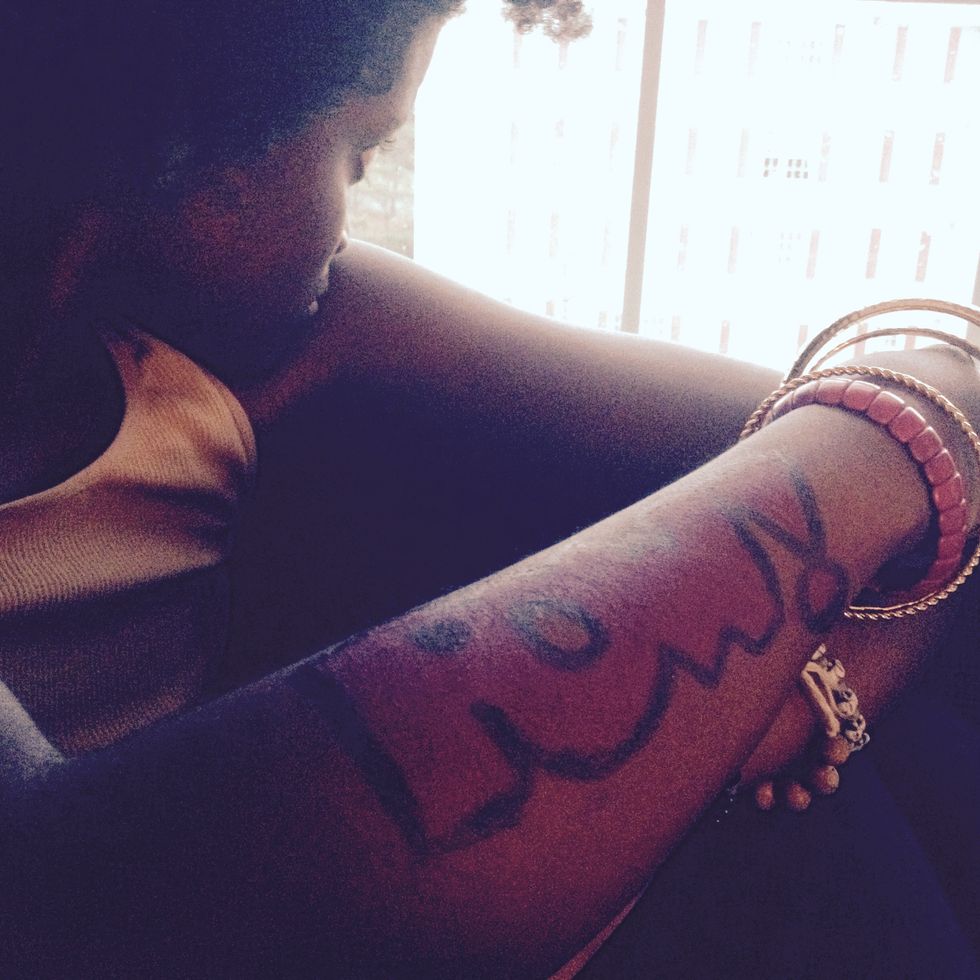
Even though I'm against the notion, I stop the episode from transitioning into the next. Caroline and I then face Aubrea, awaiting her response. She contemplates for a moment before committing to an answer. Although it's a step away from the shows she usually watches, she says that she thought Daredevil to be cool, filled with both action and suspense. She would watch it again.
"I felt like I was watching a performance," Aubrea also stated. She recollects how some of the acting and the fight sequences resembled that of a stage play. With this statement I agree, wondering why this might be so. Then she affords a reason.
"It's a comic book," she says. "You're literally watching a comic book acted out."
Meditatively, I nod, aligning her simple hypothesis with the evidence. The printed "Bang" and "Pow" are accounted for in exciting fight numbers. The darkly drawn villain is accounted for in necessary overacting. Duh. I feel silly for never having thought of these things. But that's what Aubrea does best. Like Foggy and Matt, she offers insight pro bono, even to the simplest of things.
What a hero.