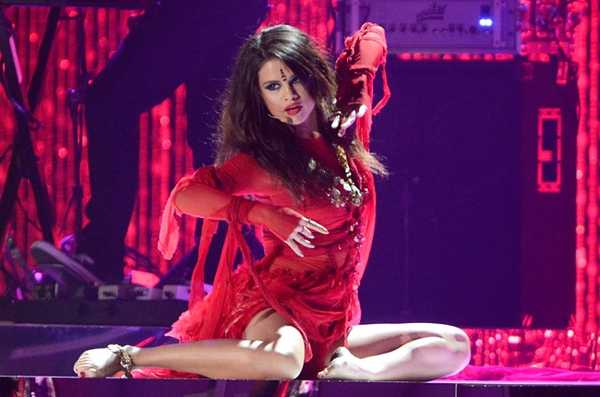
Last Monday, I watched the premiere of "Good Friday", a play written by Kristiana Rae Colón. The setting was the inside of a college classroom. Five women were discussing millennial feminism when gunshots were heard. The terrified women barricaded the door and hoped for safety from the mad man that was shooting around campus. However, as the play went on, the shooter ended up inside the classroom, only to reveal that it was not a man, but a woman named Emme. The women were held as hostages by gun point. They soon discovered why Emme was going around randomly killing people. Well, it wasn't random at all, for she wanted justice. The Lacrosse team gang raped her (and filmed it). Emme wanted her story to be heard. She did not want her rape to go unnoticed, nor left unjustifiable. Thus, she made the five women, along with every woman she encountered that day, read her story from a script online live on their social media accounts. Ultimately, at the end of the play, Emme realized killing was not the way to begin a revolution for suffering women.
I found myself, literally, sitting on the edge of my seat. I first thought the shooter would be a man, falling into the stereotypical trap set up by the playwright. When I found out the shooter wasn't a man I automatically thought, "What the hell is wrong with this women that she's shooting and killing people?" The play addressed these thoughts by slipping in comments of gender accusations into the dialogue between characters. This play also brought to my attention to something I would never have thought of otherwise; the connection and intersection between rape culture and gun violence.
One might think, "Okay, how exactly does one of these subjects correlate with the other?" Believe me, I thought the same thing. I asked my former gender studies teacher, Lisa Ehrlich, what her thoughts were on this "connection" and she gave me a brilliant response.
"... I think there are different types of gun violence and they apply to people [with various] levels of privilege differently. For example, a lot of the mass shootings in terms of white males for me, involves a belief in a right of ownership.. this idea of taking somebody's life.... Gun violence among young men of color isn't about trying to preserve a screwed up sense of ownership or a right to someone. I look at gang [gun] violence as men who according to society believe they should have power over something, but because power is stripped by systematic racism, violence is the only way they learn to assert it. Sexual violence is all about asserting power and feeling a sense of entitlement to someone else's body. The way men are all too often taught to get what they feel they deserve is through violence. [Emme] was attempting to take back power in the only way she had left or that she thought people would respond to. It doesn't make her murdering people acceptable, but by putting her in the role as the shooter, we look at the idea of sexual violence and gun violence through the same lens."
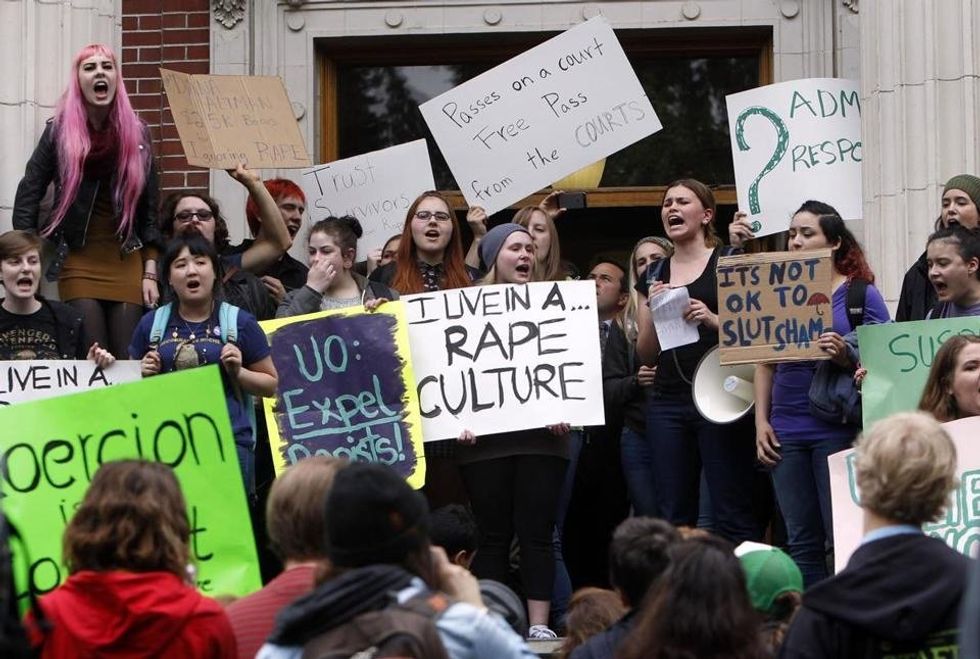
Ms. Ehrlich had many great points. The play "Good Friday" showed the connection between these two issues first hand. The big connecting factor between these two types of violence is power. Gun violence is brought on by means of powerlessness from an idea, thought, feeling, opinion etc. that was rejected or ignored. Sexual violence (rape) is brought on by the desire to control another person's body sexually. The rapist will feel power when their victim is helplessly laying there, taking what they feel they deserve. "Good Friday is indeed a great play to use in order to put these two types of violence into the same lens. It calls attention to the way rape is handled on college campuses, and in society. It calls attention to the ways in which power is stripped from those who are oppressed and those who aren't, and how that contributes to the use of gun violence.
Although the connection between rape culture and gun violence was found, I'm still left wondering one thing. Rape is treated as such a societal norm in our culture. Mothers of male rapist often plead their sons innocent and justify their actions with some kind of excuse that blames the victim. What would Emme's mother say about her actions? Current rape cases have been letting young men who have been found guilty of rape, get away with minimal charges. Victims are left feeling they did not receive justice. In Good Friday, Emme took matters into her own hands to receive her own justice because of situations likes these. How do you think the system would handle this situation?