

As an ever-evolving medium, the music industry can credit a few trendsetters that have helped reshape established institutions. Amy Winehouse is among the few who changed the game and continue to do so even posthumously.
Winehouse was born in 1983 in Southgate, London, England. She is best known as a very troubled and eccentric singer and songwriter, both in her antics and musical offerings. These are composed of an eclectic mix of music genres such as soul, rhythm and blues, and jazz, all combined with a voice that has drawn comparisons to the Queen of Jazz herself, Ella Fitzgerald -- without mentioning the powerful, personal, and emotional lyrical compositions that helped her reach the pinnacle of success in both her country of origin and the world.
Additionally, she started a revolution in the musical scene (especially for female performers) due to her unorthodox antics, convention-defying public image, and blunt lyrics. Her outlandish behavior really resonated with audiences and peers in the music business during a time when Britney Spears, Christina Aguilera, and Fergie were either blooming or already had an established career.
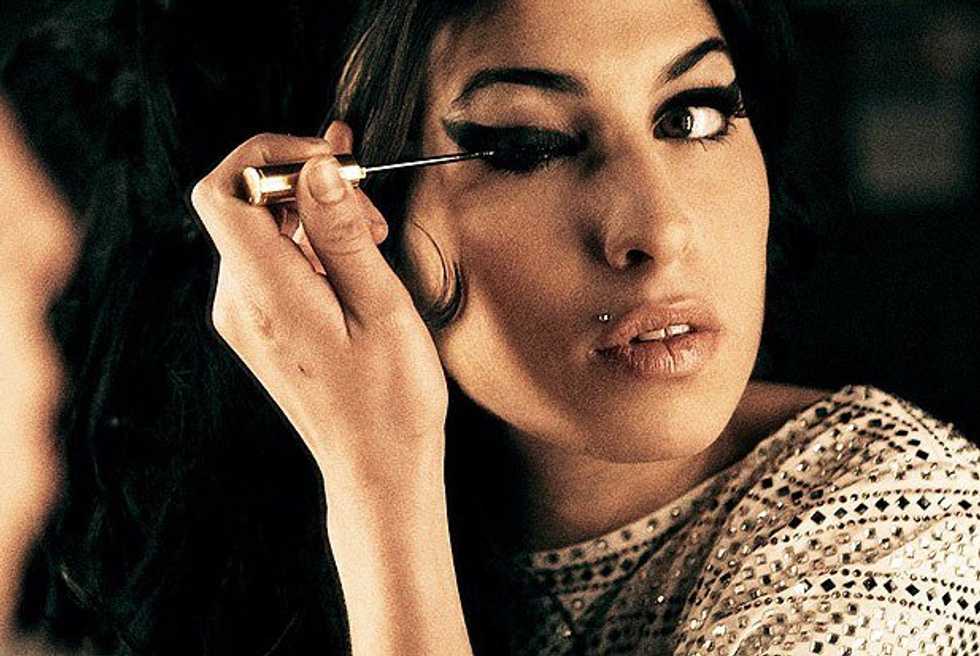
Winehouse, while not a pioneer, became a symbol for the unconventional within the scene. This consists of a look that was inspired by what she described as “thick, Hispanic women in Miami- thick eyebrows, heavy eye-liner, bright red lipstick-.“ She clashed with the standard of what a modern female pop star should be, how she should look, and how she should act.
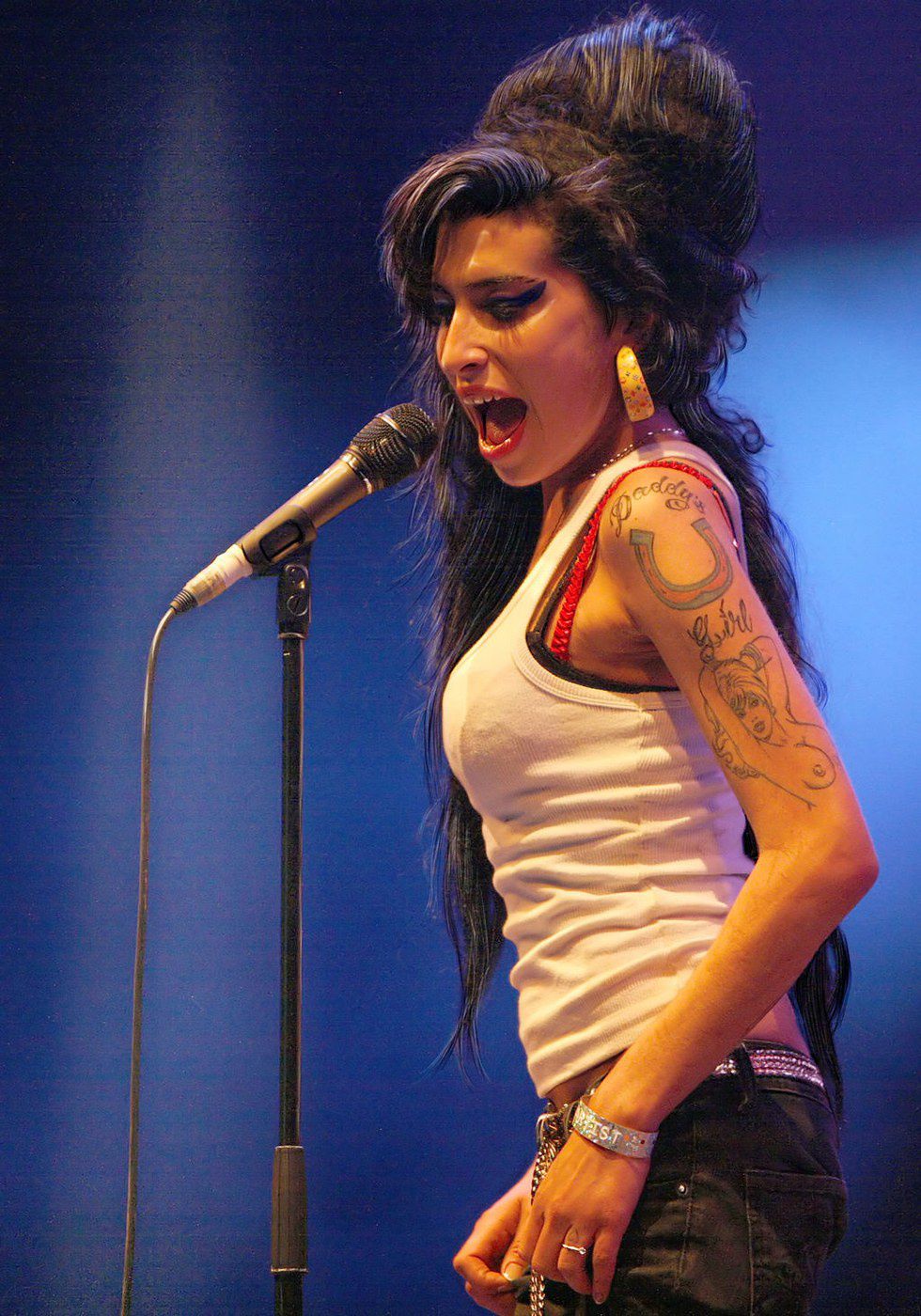
In terms of songwriting, Winehouse pulled from personal experiences as much as anyone. Her lyrics ranged from depression and promiscuity, heavy drug-abuse periods, sex tales, the effectiveness of rehabilitation programs, and nonconformity with social roles evidenced by songs like “Back to Black,” “You Know I’m No Good,” “In my Bed,” “Rehab,” and “Stronger than me.”
Artists like Adele, Estelle, and Duffy have described her influence and her impact on audiences as very helpful to smoothen their transition to other territories -- specifically with the transition to the United States, due to the similar artistic direction and difference in image when compared to American pop stars.
On the American front, stars like Lady Gaga have explicitly thanked Winehouse for helping “unconventional” female performers climb up the charts much faster and achieve mainstream pop success. Gaga went as far as to say: “Amy changed pop music forever, I remember knowing there was hope, and feeling not alone because of her. She lived jazz, she lived the blues.”
In order to put her impact into perspective, the following quote from Charles Aaron, Spin magazine’s music editor, might be appropriate: "Amy Winehouse was the Nirvana moment for all these women. ... They can all be traced back to her in terms of attitude, musical styles or fashion."