


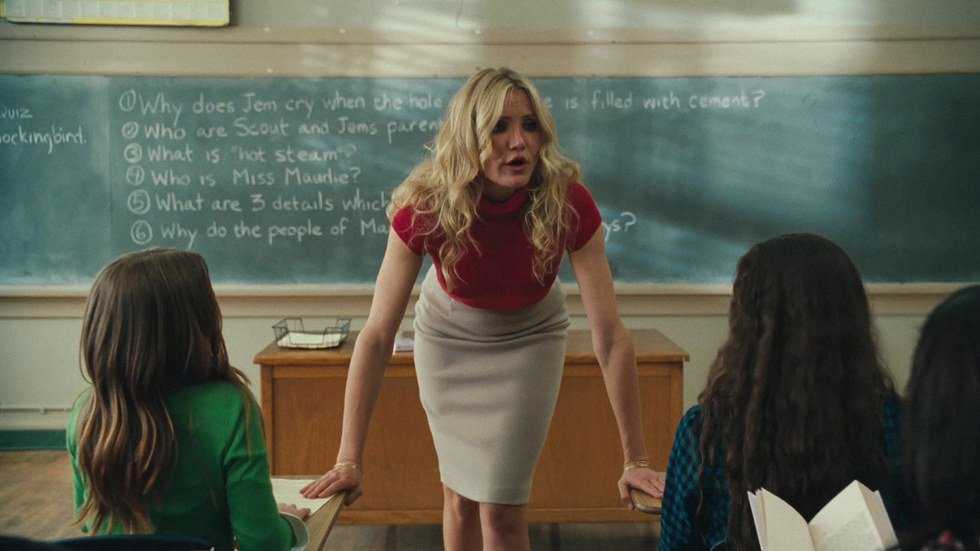
Picture yourself walking down that hallway. You know the one. It smells of zit cream and too much Axe body spray. All the bodies congregating in large groups make it hard to get to your locker. You don’t even have to think about the combination as your fingers twist the knob and the lock pops open. You swing in your jacket and take out your World History and Algebra II textbooks. You wander into your first period and slide down into your assigned seat, stifling a yawn as the teacher begins talking. Your eyelids get heavier and heavier with each passing second due to the lack of sleep the night before. Sound familiar?
Why am I asking you to go back to that dark (or maybe not so dark) period of time called high school? Because when we think of it, our friends, the sports and other activities, and perhaps even the drama may come to mind. But what about the teachers?

We’ve all had the teachers that have a special place in our memories, whether it was because of the mole on their neck that pulsated when they got angry, or the one time they dressed up as George Washington to aid the lesson on the Founding Fathers. But what makes a teacher different from any other? What makes one better than the others? It's simply a matter of support.
It's obvious when teachers care about their students. They’ll put in extra hours outside the classroom when a struggling student asks for help and try as hard as they can to make their lessons as fun as possible. They have a passion for their area of subject, and they get excited to share it with the next generation. Communicating with their students, not only about what’s expected in their class, but also about their personal goals and dreams, and encouraging them to follow it is something they do often. They support their students and give them new ways to approach thinking, never pushing their own ideals, instead showing the students how to think for themselves, allowing growth and new maturity to develop.
However, it is just as obvious when teachers don’t care. Laziness, lack of enthusiasm, and unreasonable grouchiness are common characteristics. They give students homework just to keep them busy, not because it's important to the class or it teaches them anything. Wrong answers are met with condescending looks and snarky remarks that only embarrass instead of reassure. They have an “it's not my fault you can’t pass, try harder” attitude and when that fails, it becomes “well, maybe your student isn’t smart enough to handle this material” at the parent-teacher conferences.
It’s more than just “having a bad day.” Even if it were, as the adult supposedly inspiring and setting an example for the next generation, we’d expect you to be mature enough to not take it out on us. But we understand; life happens. And we are students. We understand “having a bad day.” We are the epitome of “having a bad day.” But it is when this behavior becomes a daily occurrence -- when it happens so often that it becomes one’s personality -- that the problem occurs. Putting students down, discouraging their ideas, and intimidating the ones who are supposed to look up to you actually causes damage in the minds of youth.
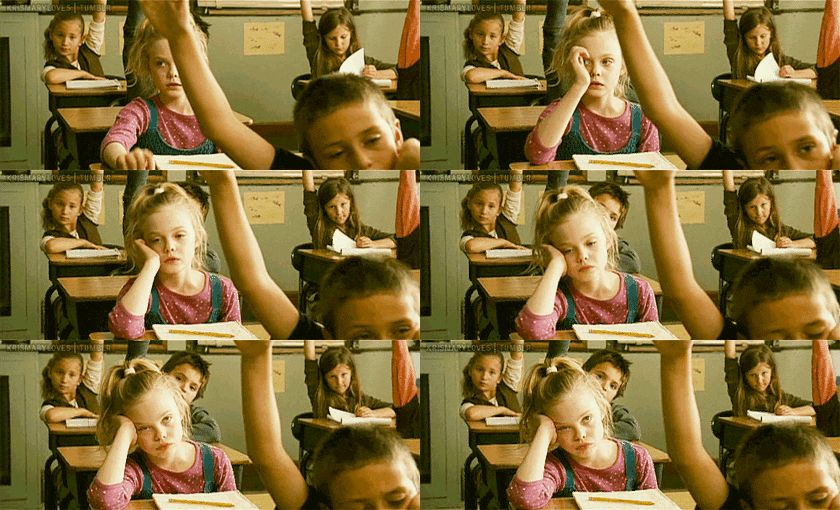
If you look closely, you’ll notice it. Children who once eagerly raised their hands to answer a question now don’t even look teachers in the eye, praying that they won’t get called on and have to speak in fear of answering wrong. The kids who used to volunteer to do experiments and get up in front of the class now sink lower into their seats and look down at their shoes. The ones who were so confident in their abilities think that just because one subject is hard for them, they’re a failure at everything. And the students who struggle in school, not because of lack of trying or lack of intelligence, but simply because their brains aren’t wired for school learning, have given up all hope.
Teachers who don’t believe in their students create students who don’t believe in themselves. These youths turn into adults who don’t have confidence or ambition to achieve what they want. If the people who are supposed to educate and support them don’t, why should they think that they can reach their goals?
For this reason, I believe that, if you're an aspiring teacher, it is important to make absolutely sure that teaching is what you want to do. Not for the money, not because its something you’re good at, not because you don't know what else to do, not because all your friends are doing it, not even for all the special perks and benefits you'll receive, such as the summer vacation time. This should be something that you want to do forever, something that you’ll never tire of. You'll have an impact on thousands of children’s minds and ultimately, our future. Please, don’t damage it.















