I don’t stand alone when I say that television shows are living their golden age. Who would have thought that this black box - nicknamed “idiot box” by many, is now the medium through which some of the finest entertainment is produced? In the past decades, television has slowly begun to take over cinema as the prime source of quality entertainment. As I see it, the recent success of television shows rests upon three elements: quality of storytelling, freedom of content, and character development.
First of all, television shows’ unique format allows a very specific artistic depth while losing none of the spectacular nature that characterizes a great story. This is why television shows are so popular, while at the same time being so artistically complex. Several examples of this include The Wire, The Sopranos, Breaking Bad and Game of Thrones, all of which are grand, but beautifully told, stories. One might say “I don’t really like this,” or “I love this!” but it would be an exercise of foolishness to say, “This is not a great story.”
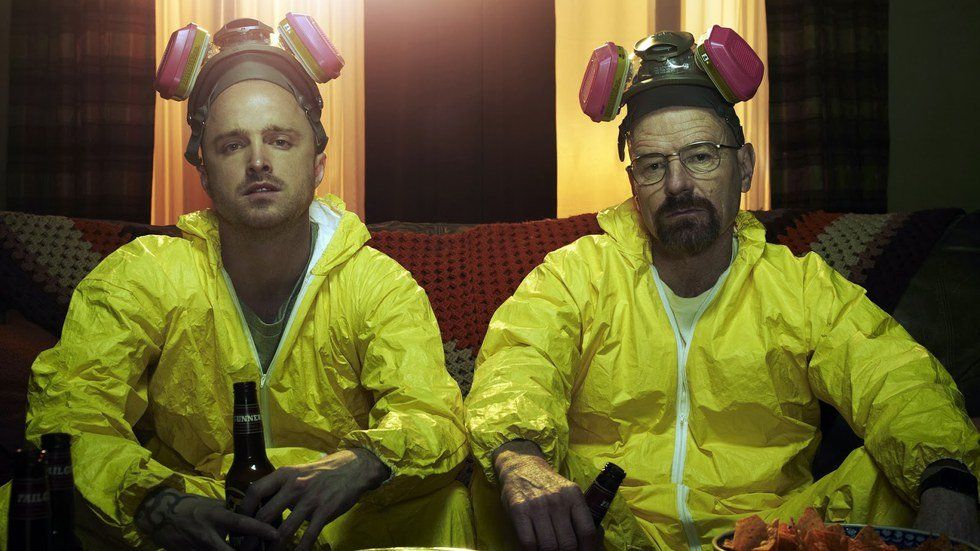
The freedom inherent to this form of entertainment is the second reason why today’s television is working so wonderfully. Nowadays, most motion pictures are designed to reach an enormous audience. Television networks, on the other hand, don’t have the need to please such a large amount of people, granting them liberty to build stories around riskier, juicier themes. Over the past few years, networks such as HBO, AMC and Netflix have been offering an incredibly unique variety of material. For example, in AMC’s Breaking Bad, a middle-aged chemistry teacher is diagnosed with cancer and, in order to make enough money to support his family once he is gone, partners with one of his former students to build a meth empire. On paper, this show never would have worked. Why? Too risky. What were the chances the world would come to love this type of story? Very slim. However, AMC wasn’t looking to please everyone. They were looking to please a very select audience. And so they did, bringing to life a story that could arguably match any Shakespearean tragedy.

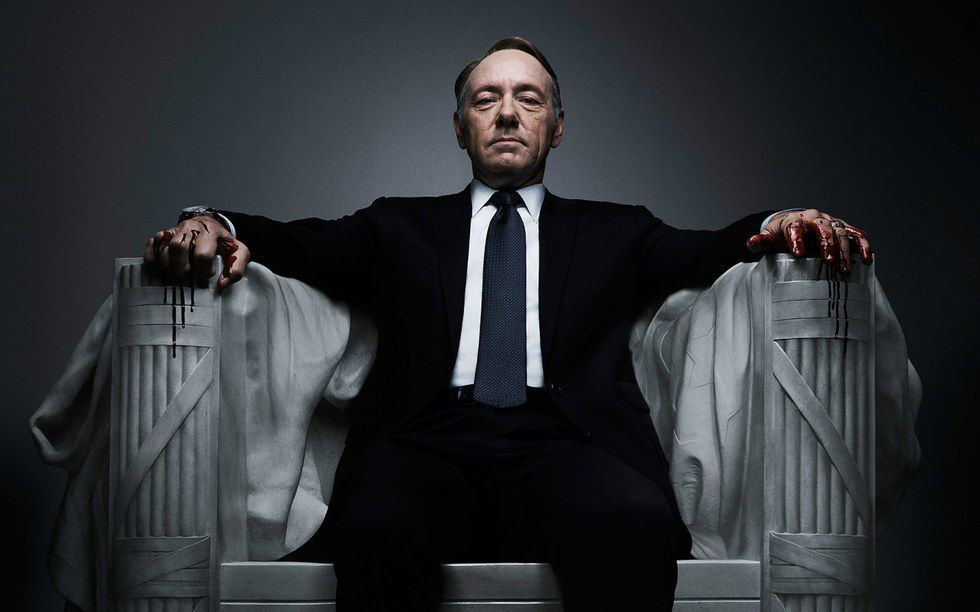
Finally, my personal favorite: television’s character development. It is well known that television is a medium for writers. A fair amount of television writers deliver outstanding scripts week after week, appealing to actors in ways that movies can’t. Naturally, the best writing attracts the best actors. Because of this, television show characters are brought to life by some of the greatest performers: Kevin Spacey as Frank Underwood in House of Cards, James Gandolfini as Tony Soprano in The Sopranos, Bryan Cranston as Walter White in Breaking Bad, Lena Headey as Cersei Lannister in Game of Thrones and Maggie Smith as Violet Crawley in Downton Abbey, amongst others. Every week for a few months, audiences suffer, love and laugh with their favorite characters. Viewers become easily engaged with these characters’ stories, for television show’s continuity creates a unique relationship between audience and character that cannot be achieved in two-hour-long films. However, continuity and talented performers are not the only reasons these characters are idolized by audiences.
So, why do people love them? What is it that makes them so relatable in comparison with movie characters? The answer can be found in the format of television itself. Breaking Bad’s creator and Emmy winning writer Vince Gilligan remarks, “A great deal of the actor’s personality becomes a part of the character as the show progresses. It’s a wonderful thing about television--- that you can do that. You’re telling one story for so long that you have the time to adjust the story, over many episodes and many seasons, as you learn more about your actors. No other medium allows for that. For instance, when you’re writing a movie, the script has to be finished before production starts, and there’s no chance to make those changes as the shooting continues.” These characters are loved because they are human. They are often imperfect, but they live and feel like us, encouraging the viewer to establish a deep connection with them. They move us, terrify us, and inspire us, because as humans we are moved, terrified, and inspired by the same things they are.
I enjoy television shows, and I enjoy movies as well. I don’t intend to create a wall between these two forms of entertainment, since they both produce great art. However, television has risen above its big brother to provide entertainment in a way never seen before. Cliffhangers and weekly waits have made certain shows a social phenomenon in which anyone can participate. Social media and audience involvement have created whole movements around certain characters or plot points, fully immersing the audience in the show’s universe. That’s why television shows are such a vast, broad art, beginning to consolidate themselves as the next great form of storytelling.