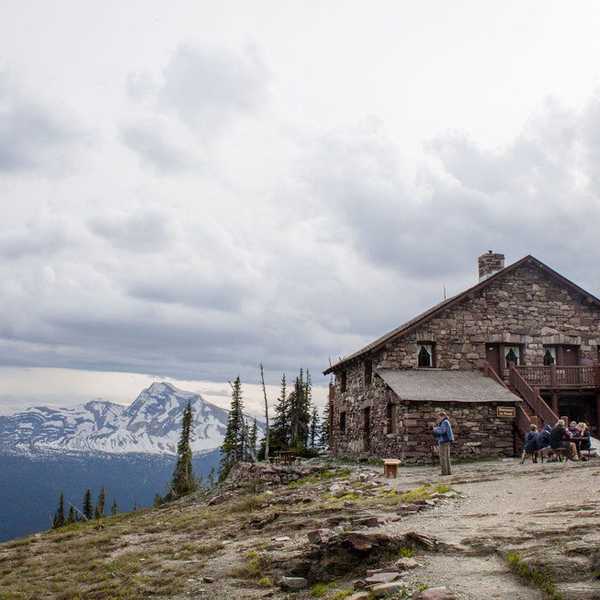


Every moment I spend in Canada, I am reminded of how beautiful Earth's natural landscapes can be. Tall coniferous trees cover sloping hills that extend farther than the eye can see. Majestic mountains loom in the distance against a backdrop of clear blue sky. An aroma of wet soil scents the air fragrantly as deer roam freely in the front yards of hotels. Four days have passed since my arrival to Canada, and the country’s natural state and untouched ecosystems have embedded within me a deeper respect and awe for the planet that we live on.
In the past four days of traveling via tour bus, I have had the opportunity to visit several of Canada’s popular natural tourist attractions, including: Canada's Rocky Mountains, Shuswap Lake, Upper Victoria Glacier, Louise Lake (located in Banff National Park), Emerald Lake (located in Yoho National Park), and others.
From the places we have visited, I find myself humbled by Canada's large mountain ranges, fast flowing streams, ice glaciers, and magnificent lakes. I am reminded of how young I am in comparison to these centuries-old natural systems that have shifted and changed with their environment in the years during and prior to my existence.
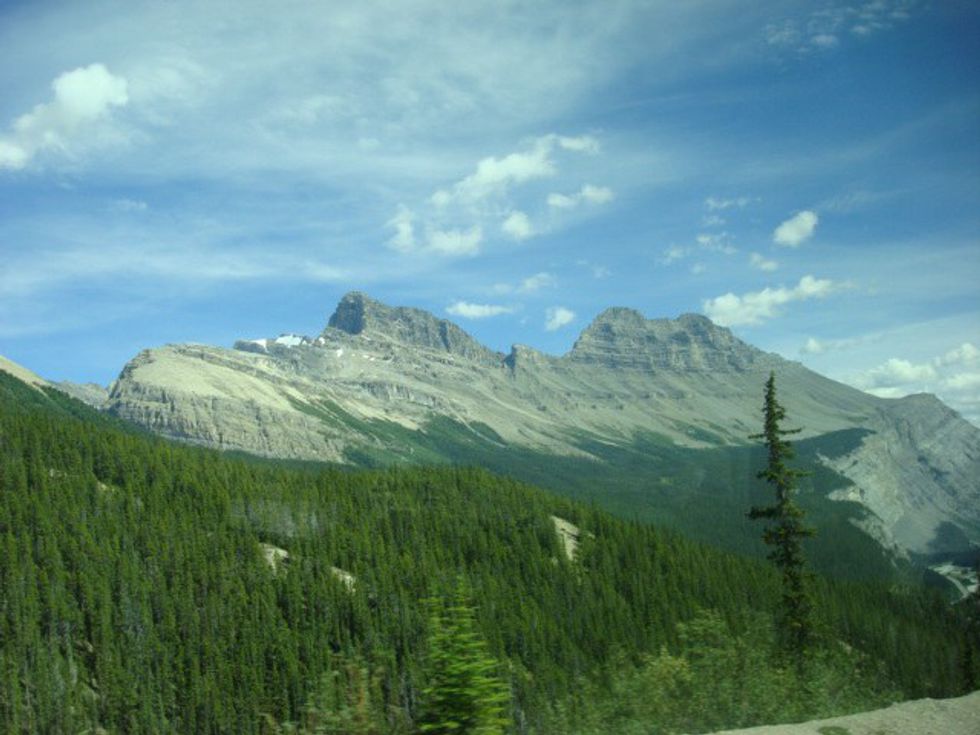
Canada's mountains reflect their age in their cracked and jagged appearances. Their slopes are marked, scarred, and eroded by the various elements of water, wind, and climate. Flowing water from melting ice caps have eroded the hard surfaces of the mountains to create deep indentations and crevices along its sides while winds and natural erosion have sculpted each of Canada's mountains into unique and differently sized slopes, including one that looks like the RMS Titanic.

Canada's glaciers are moving and changing organisms of their own. Standing on the Upper Victoria Glacier, a cold wind whips through
the slopes and a bright white glare emanates from its icy surface. While tourists
crowd around the glacier’s crevices and cracks, scooping icy water with their
hands to drink and to wash their faces with, underneath their excited cries, you can hear the sound of flowing water as thousands of trickles and rivulets of
melted ice move down the mountain to join adjacent streams and lakes.
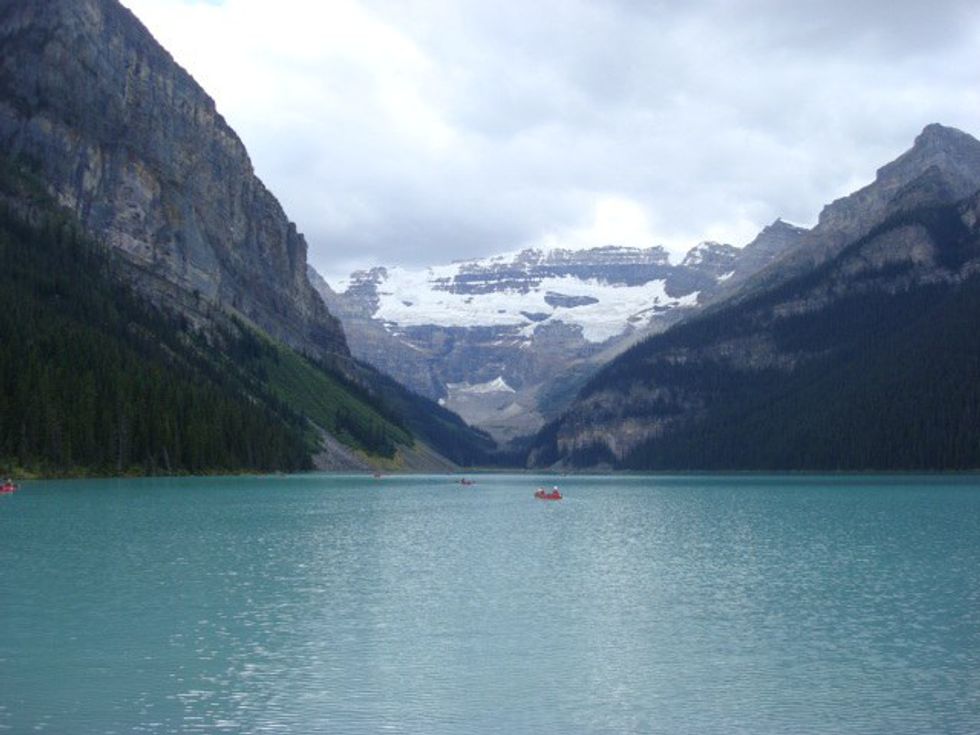
Lake Louise, the direct offspring of the great Upper Victoria Glacier, is unique in color, as are many of the lakes in Canada. Just like you see in the
picture, the color of the lake is a light turquoise. Its unique color is created from the minerals that have eroded from the glaciers and into its waters. While the cliffs and mountains of Canada project an
image of strength and age, Lake Victoria projects one of tranquility and
delicate balance. While tourists kayak and canoe on its surfaces and others crowd around the lakeshore to take pictures, the calm lake in combination with the mountains behind it, remain an unfazed and distantly majestic scene.
While it has only been four days that I have been in Canada, I can understand a bit better, why people place such importance on preserving Earth's natural resources. The bits and pieces of the natural world as I have observed in Canada's active ecosystems and natural sites are not only awe-inspiring but also demanding of respect.