

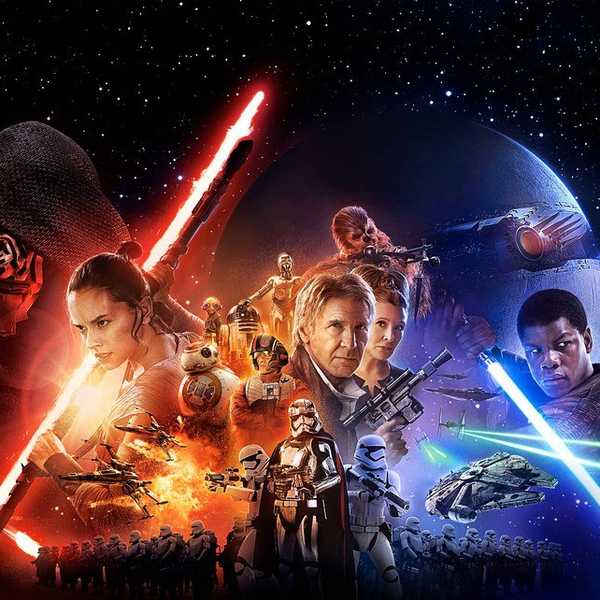
With "The Force Awakens" premiering this winter, many Star Wars fans are revisiting the original films they came to know and love. Unfortunately this isn't exactly possible, as the only versions of the films you can buy today are the digitally altered Special Editions.
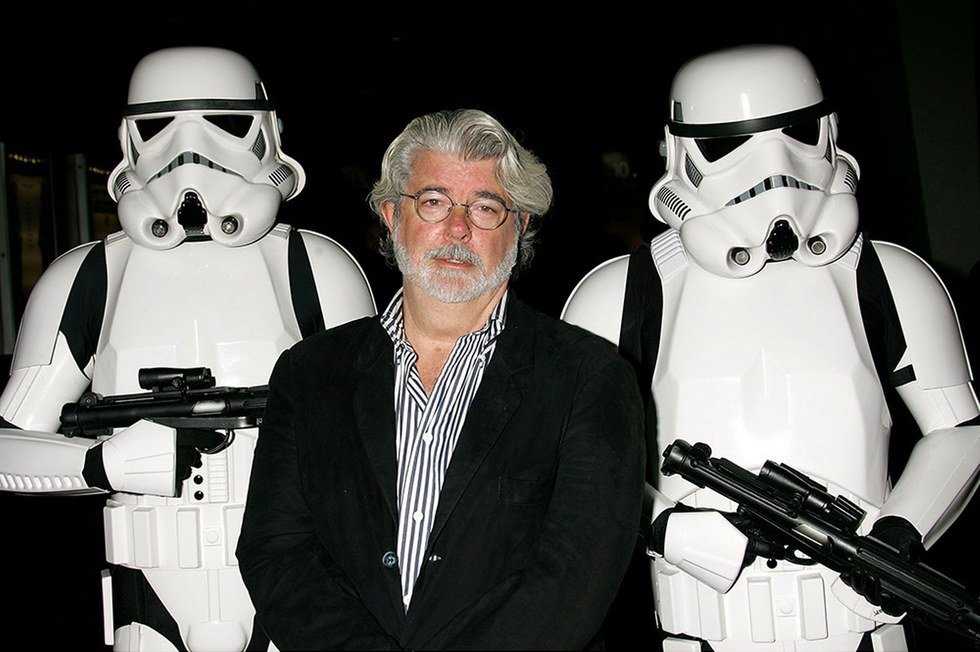
Starting in 1997, Lucasfilm introduced many changes to George Lucas's original masterpieces, the same films that ushered in the cultural phenomenon that we know as "Star Wars." Some of these were just minor cosmetic changes, like CGI enhancements to scenery and some of the shots featuring vehicles. Others have become infamous, most notably the alteration that shows Han Solo dodging a previously absent laser blast from Greedo the bounty hunter before taking the Rodian down, inspiring the heated debate of, "Who shot first?" The DVD and Blu-Ray releases of these films saw even more tampering. With yet another re-release scheduled for this November, the question arises: what right has George Lucas to mess with something that has touched so many hearts as these movies?
When Lucas was creating the original "Star Wars" film, the one we now know as "A New Hope," it was difficult for him to find a studio in which to produce the movie. No executives could possibly foresee the wild success that the film would have. Lucas ended up producing it himself out of his own pocket, making it the most successful indie movie of all time. This left Lucas with complete rights over the movie, legally enabling him to make whatever changes he wanted to in the future. However, the argument we experience today is not over legality, but over artistic integrity.
The original "Star Wars" trilogy changed peoples' lives. It became an integral cultural touchstone for both America and the world. Who can't immediately recognize the strained breath of Darth Vader, or the sound of a swinging lightsaber? Who can't relate to Luke Skywalker, a character who dreamt of a much larger world beyond the one he knew as home? Everyone has experienced betrayal like Han Solo in "The Empire Strikes Back." The redemption of Vader in "Return of the Jedi" stands as a testament to the human hope that no one is too far gone to be saved. Lucas has stated in an interview with the American Film Institute that due to his limited budget and time when making "A New Hope," he was not able to tell the story that he truly wanted to tell, and that the digital alterations are an attempt to finally have that story surface. The problem is, the story he originally made was the one that the world embraced and fell in love with. Artists exist to serve humanity, to give it hope, and to inspire it to dream. There comes a time in the creative process when the art no longer belongs to the artist but to the collective people. If Alexandre Gustave Eiffel were alive today, and decided that because of the technological constraints of the day in which the Eiffel Tower was built that he wasn't able to create the structure he really wanted to, it would be absolutely criminal for him to change the iconic structure. The same should apply to the "Star Wars" story that has become almost equally iconic in the world's eyes.
George Lucas remains one of today's most important minds in the film and storytelling world. He pioneered many of the technologies that have allowed for the creation of many wonderful works of art. He also gave us "Star Wars," one of the most important stories of the modern age. However, the actions he has taken since the films' creation must be spoken out against. Maybe if we make a fuss big enough, we will see a new release of the theatrical version of the "Star Wars" films in the future.

















