Before you read, please note this article is strictly opinionated.
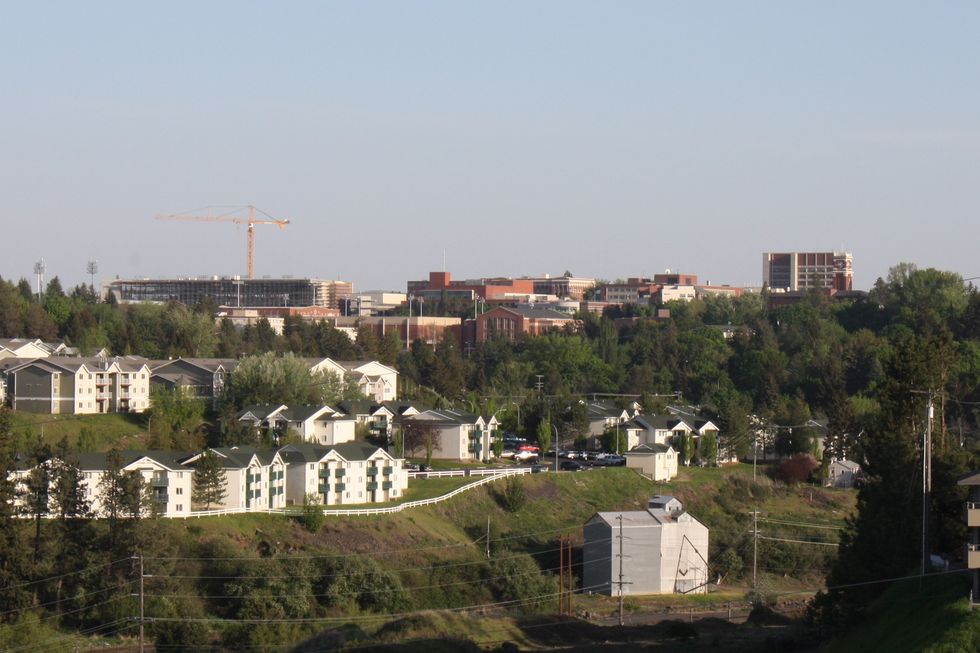
Renovations and new buildings are great. They are especially great to bring convenience and comfort to the students in universities. It's no doubt that modern designs are more comforting in their usability and utilities. They provide air conditioning, a cleaner appearance, and they paint the university as progressive. My college, Washington State University, has been under construction over the past few years in remodeling some of their older structures, and they have been building new buildings on top of that.
In result of this change, we received three contemporary residence halls, a new market providing fresh produce, and many other facilities. What could be a problem from this change? Gentrification.
What is gentrification?
The exact definition of gentrification is the process of renovating and improving a house or a district so that it conforms to the middle-class taste. It's a process that usually happens when a poor neighborhood renovates itself to bring in the middle-class with new and modern facilities. These facilities are more fitted to the influx of more affluent residents. The native residents who have been living in these neighborhoods cannot conform to these more expensive changes and are forced to move out of those communities. So how can this process cause a problem within a university campus?
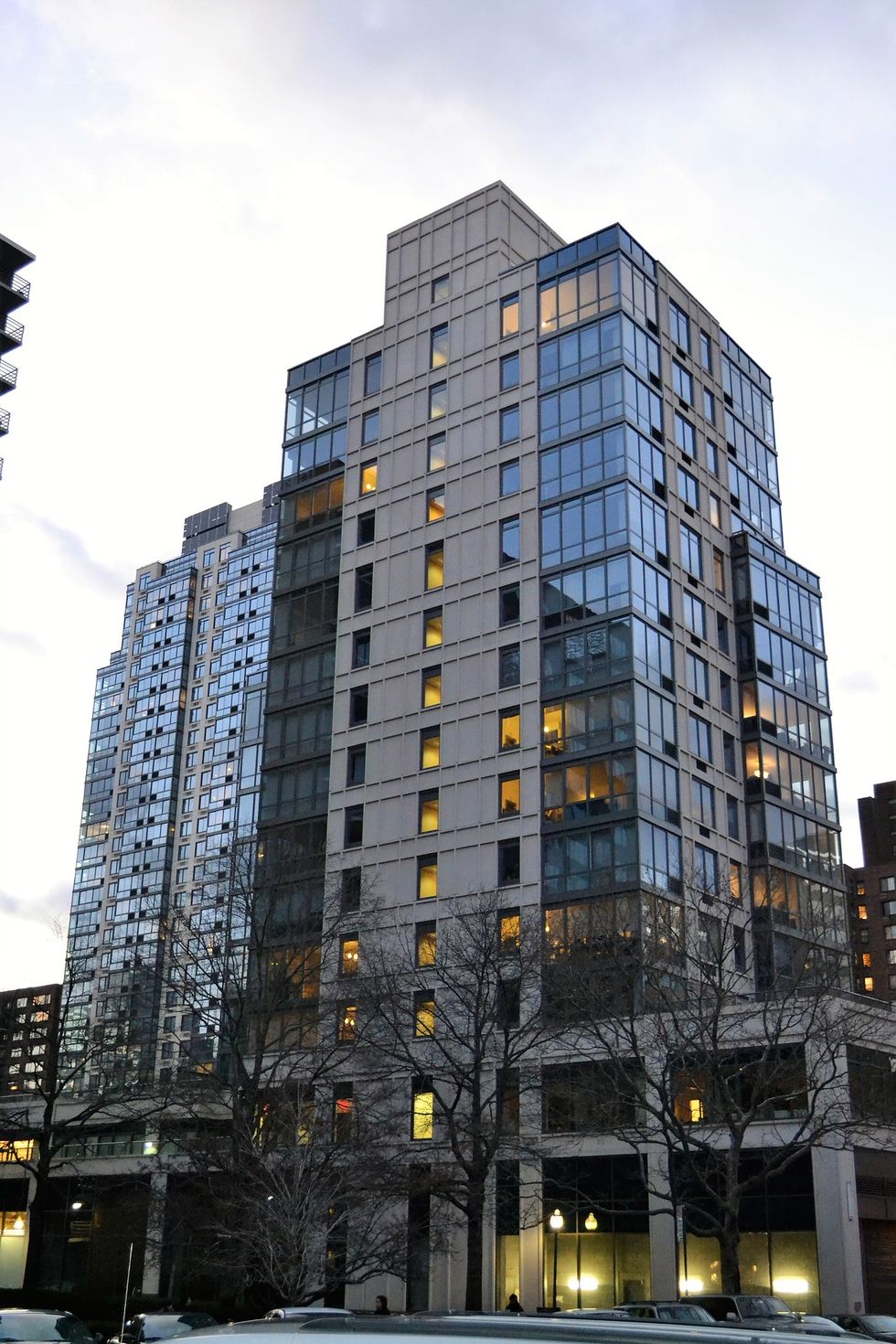
With the addition of new residence halls, the price for these dorms is a lot pricier than the older dormitories. The student obviously has a choice in their selection of the residence halls they want to live. The process isn't biased and picked based on first come first serve basis. Does this mean that the lack of discrimination equates to no problems? Not quite.
With new facilities built around these new residence halls, the students who are in the vicinity have more access to fresher and healthier produce. However, those choices don't come cheap. Although students who live in the residence halls are using their RDA (our meal plan where you input money based on levels) to purchase some items, the more modern markets have more expensive products. Quality-wise I argue that these products are superior in some aspects to the cheaper alternatives, but you know how College students are like—broke.

The organic products these markets provide are listed as retail prices equal to places like Whole Foods. You're already paying more money for the nicer dorms, now you're paying even more money when you're already broke. Many college students choose to leave some of these more expensive residence halls because the lack of cheaper choices the markets close to them provide, hence gentrification.
All of this aside, this change isn't always bad. It might sound hippy and trendy to use organics, but the products the new markets provide are definitely better in quality. Some could argue in reverse that students in the older residence halls don't have access to fresh and organic products, creating separation between the campus. I don't disagree with this statement. Not every part of campus can be similar in their composition. Change needs to happen, whether it might create some rift or not. I think moderation of providing choices can be the key to push our campus into more innovative and accessible university, without forcing every students to live off-campus.