
The dictionary defines family history or genealogy: an account of the descent of a person, family, or group from an ancestor or from older forms. Many people who know me know I LOVE doing family history work and i love helping others as well. Because of this, I've been diagnosed with a very serious and real disease. It's called... Genealogist's Disease.
WARNING: Genealogy Pox (very contagious to adults). SYMPTOMS: Continual complaint as to need for names, dates, and places. Patient has a blank expression. Sometimes deaf to spouse and children. Has no taste for work of any kind, feverishly looking through records at libraries and courthouses. Has compulsion to write letters. Yells at mailman when he doesn't leave mail. Frequents strange places such as cemeteries, ruins, and remote, desolate areas. Makes secret night phone calls, hides phone bills from family and mumbles to self. Has strange faraway look in eyes. No known cure!
TREATMENT: Medication is useless. Disease isn't fatal, but gets progressively worse. Patient should attend genealogy workshops, subscribe to genealogical magazines and be given a quiet corner of the house where he or she can be alone.
REMARKS: The unusual nature of this disease is: the sicker the patient gets, the more he or she enjoys it!
As I have said above, there is no cure for this disease; so here are four ways to embrace it:
1. You feel a connection with those that have gone before.

Every time I do family history work, I feel connected with my ancestors. I feel like I know them in some small way. I also like reading biographies that some of them have written, they provide me a glimpse into their lives.
2. You can help others with their family histories.
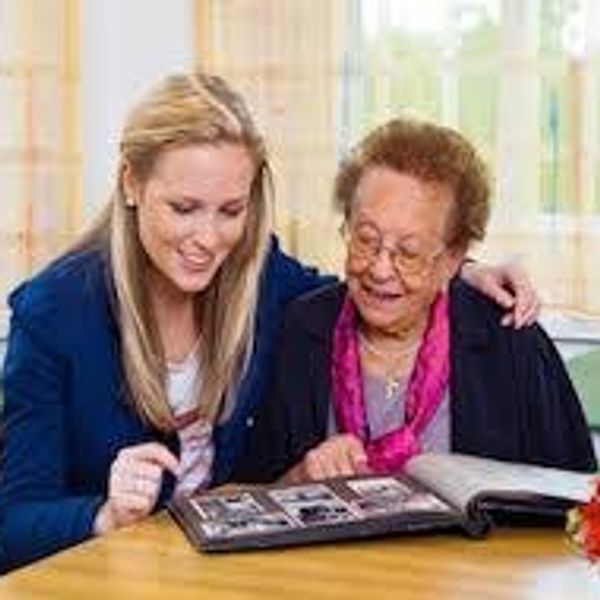
One of the most satisfying about doing family history work is serving others in the same capacity. It's so thrilling to help my friends and neighbors discover their pasts.

3. Pictures really are worth a thousand words.

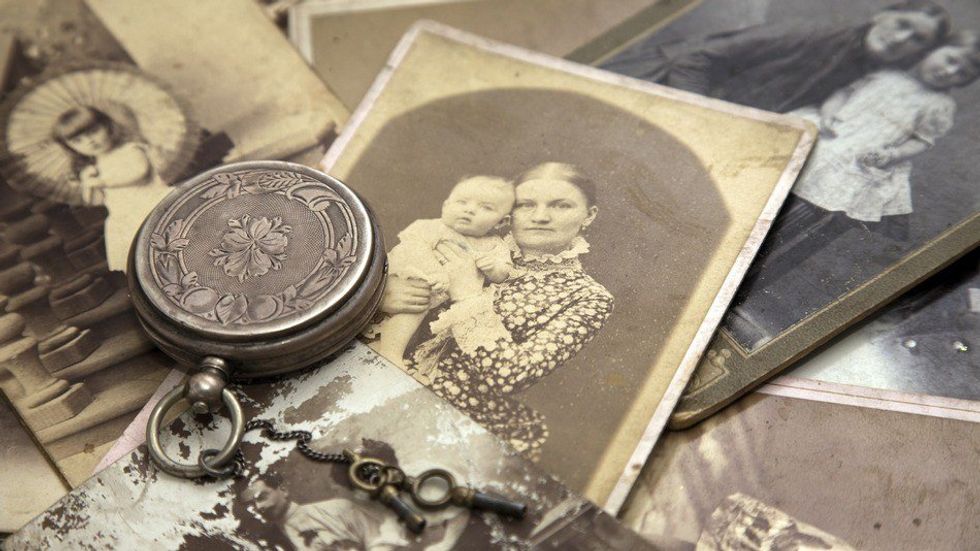
I remember when I first found a picture of one of my ancestors. I was so excited! Previously, I just built up a brief picture in my mind of what that ancestor might have looked like, when here was proof of what they actually looked like! It was a very rewarding and special moment for me.
4. You can catch the "pox" of family history.
Whether you do a little or a lot, researching family history needs to be done. Call up you parents and grandparents, ask them questions about their lives and record or write them down. Congratulations, you one step closer to catching Genealogy Pox!