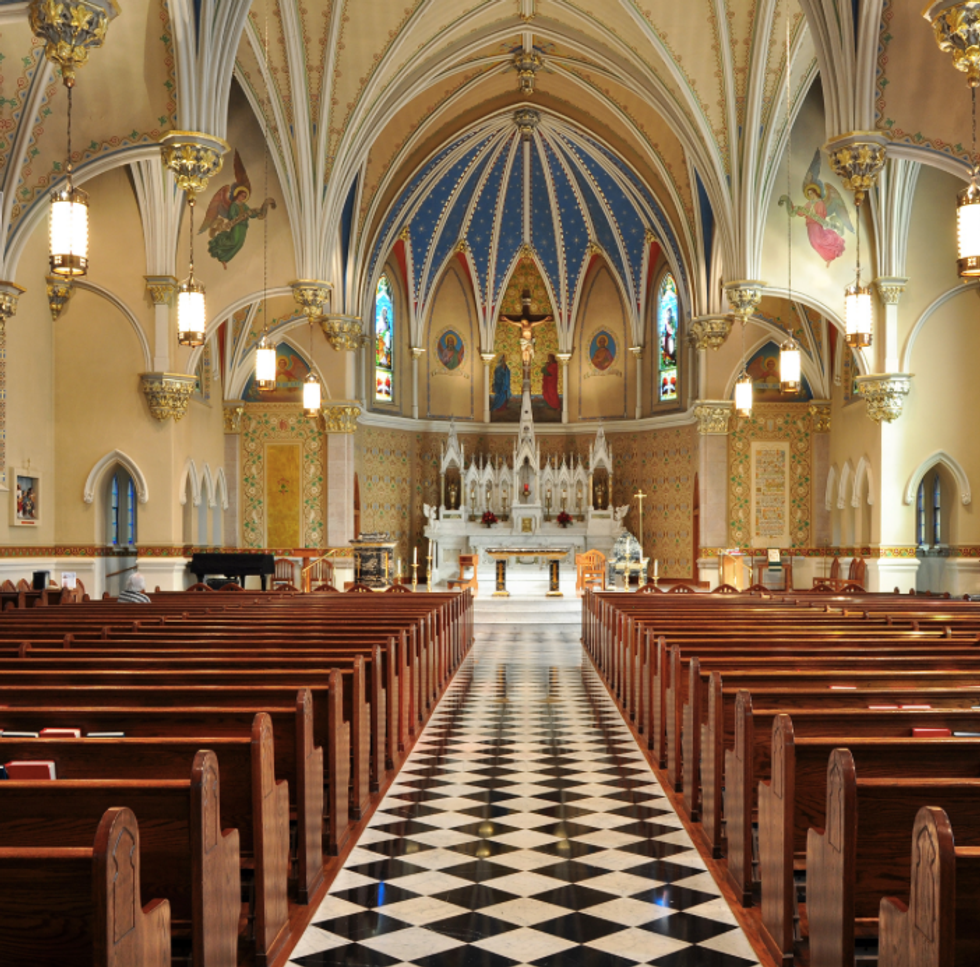
In all my hundreds of hours of religious education throughout years of Catholic school, I never received a reasonable, critical explanation for the exclusion of women from the church's political leadership. (To be fair, perhaps I was sick that day, or perhaps I was daydreaming during class. One might hope for more than one day's discussion of women's role in the church, however). Regardless, I asked whenever I could. In eighth grade, I deliberately asked my parish priest and a highly-respected local nun, receiving the same simplistic answer from both: "it's tradition; that's the way it's always been." I understand that the church, by nature, is rooted in tradition, and I see value in tradition: shared historical practices contribute to and deepen a general culture and establish meaningful ties between past and present. At the same time, problems arise when any individual or organization explains or justifies a policy solely by historical precedent: stating "that's the way things always have been done" is inadequate and illegitimate.
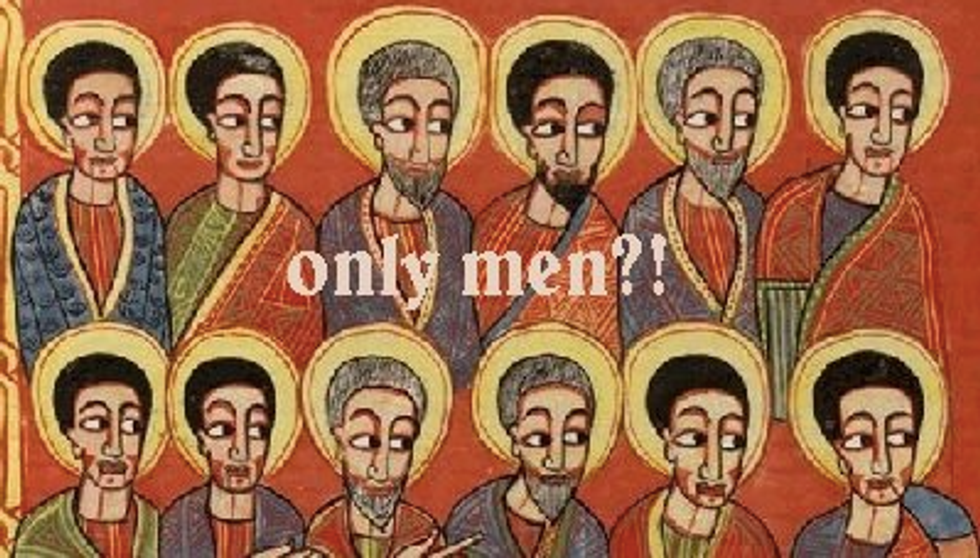
Though I'm no longer immersed in Catholic school, I still often wonder about the gender-based exclusion of leadership within the church. As a woman committed to women's rights and feminism, I can't help but pose several questions. First, of course, why can't women participate in any form of political leadership of the church? What is the church losing by the exclusion of women from authority? What is the world at large losing by such exclusion?
First of all, as I described, I haven't ever personally heard any legitimate explanation for the exclusion of women. It's possible that women are perhaps excluded due to interpretation of scripture. Problematic interpretation of scripture not only perpetuates exclusion of women, but also leads to further injustices: according to biblical texts, domestic violence against women is allowable since wives are supposed to be subservient to their husbands, the LGBTQ community supposedly exists in a state of grave sin, and more. Clearly, gender-based exclusion is an intersectional issue within the church and lends to further injustices. Such exclusion, oppression, and injustices at the hands of the church authority detracts from the church's credibility. How can an institution preach tolerance and love if only to implement harsh, exclusionary policies? Countless women, members of the queer community, and others marginalized by the church have turned away from the church because of the church's isolation of one or more of their identities. Also, if women were included in church leadership, greater equality for women worldwide could be achieved. The world needs women to serve in the church's political offices, as the unjust teachings of the church threaten equality everywhere. For example, an entirely male legislation preaches globally on the sinful nature of reproductive health in the form of birth control and abortion. These men, however, have not and will never experience pregnancy, so their persistent preaching on the matter should be questioned. Especially in over-populated, impoverished countries, women should have access to legal and safe birth control and abortion, and the prominence of the church blocks such access. With the inclusion of women, the global power of the church could be employed to achieve greater gender equality by ensuring safety and health for all women. Additionally, the inclusion of women in such high political offices could encourage political inclusion of women globally, which would help ameliorate the startling lack of women in politics around the world.
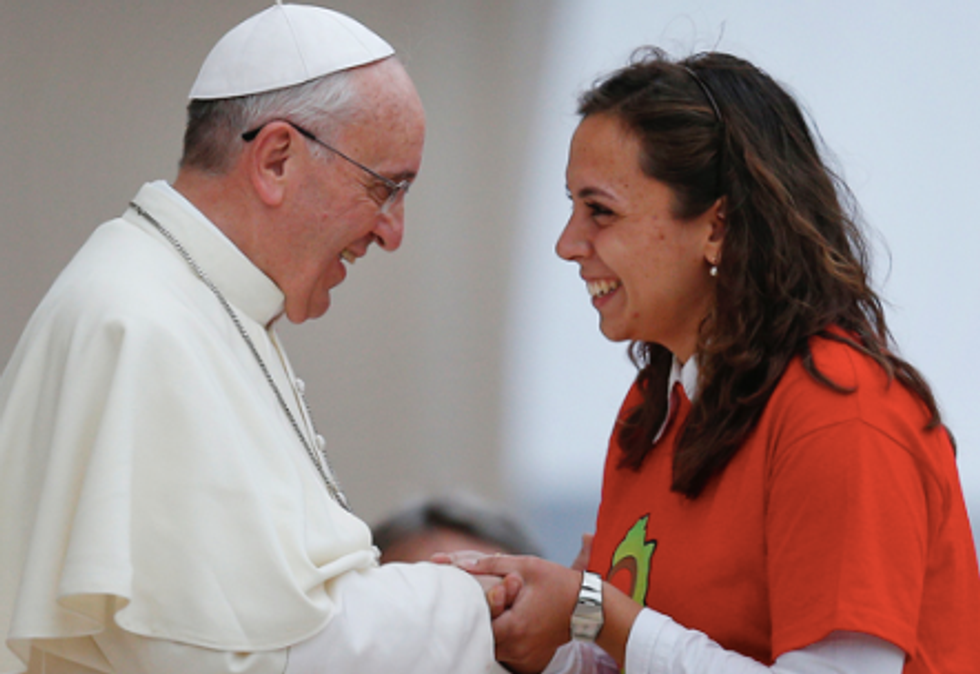
Though I wholeheartedly value my years of Catholic education, I can't ignore the palpable flaws of Catholicism. I felt the injustice of exclusion and can't easily forget it. I can't justify the church's inherent sexism and exclusion of marginalized identities. The church frames itself as tolerant and accepting, but it until it practices its preachings and grants women and others equal status, their virtues are all a facade. The church laments its inability to connect with younger Catholics and young adults in general, yet continues to implement archaic policy. Perhaps it's time for the church to fully join the twenty-first century.