
Though the video game industry is primarily made up of male developers, the same can’t be said for the characters in the video games of today. It has become common practice for developers to include female side and main characters in the games that they create; in fact, there are probably as many female video game characters as there are male characters nowadays.
Equally as common as the presence of female characters are arguments that claim certain games are sexist or misogynist. This has led to a litany of debate on the subject of whether or not gaming is respectful towards women.
I personally would like to think that on the whole, the people who work in the gaming industry care about gamers both male and female. Additionally, these creators must surely recognize that media and entertainment have very obvious ties to current social issues such as gender equality. To that end, I think video games have generally done very well with portraying women as favorably as they portray men.
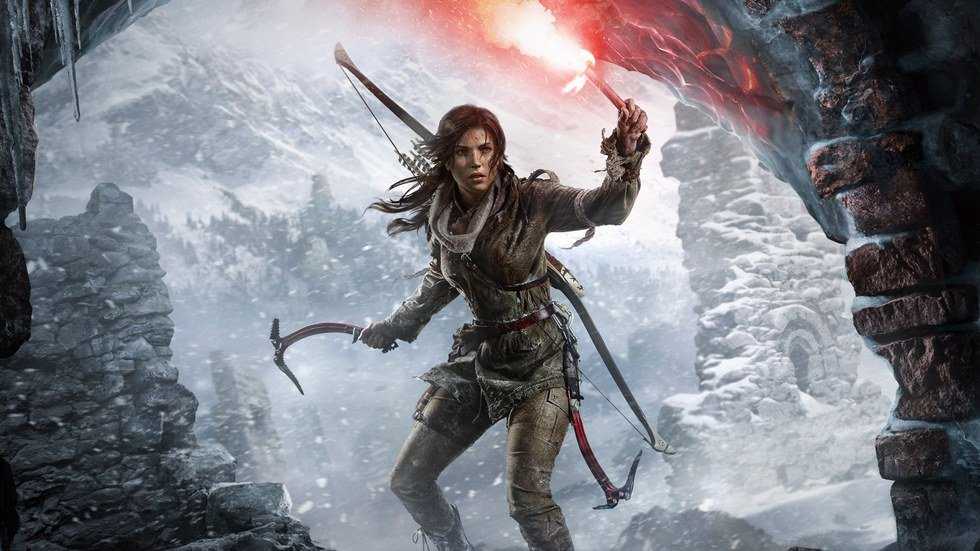
Games of years past such as “Bioshock Infinite” and recent releases like “Rise of the Tomb Raider” steer clear of decisions that might sexualize or objectify their female characters, instead looking for ways to make them empowered and equal to male protagonists. In such games, gender becomes an afterthought, taking a backseat to character development and gameplay.
In spite of this focus away from outward appearance or gender clichés, however, the argument mentioned above still persists to this day. Sometimes, it may be at least somewhat warranted; nobody needs to have eye-candy characters just to move units, after all. But in many cases, especially today, the warrant seems to be missing.
Last year’s “Overwatch,” a multiplayer shooter game developed by Blizzard Entertainment, came under fire for an allegedly sexual emote (in gamer-speak, a taunt or win animation that a gamer’s chosen character can use) that the character Tracer had in the game.
The emote in question, which involved the character turning her back to the camera, was immediately perceived as objectification by many critics; those critics were met in turn with backlash from dedicated fans of Blizzard and its work. Ultimately, in a move that was probably for the best, Blizzard decided to remove the emote and create an entirely new animation for Tracer.
But was it for the best because Blizzard was wrong? I certainly don’t believe so.
The problem with the “Overwatch” debacle and the overarching problem with alleged sexism in video games is that the criticisms are often too aggressive or accusatory. Think of it this way: these critics are calling out game developers like the ones at Blizzard—people who live to entertain and create—for being disrespectful, distasteful, and disgusting regarding their treatment and view of women.
It may sound like I’m exaggerating, but those are the connotations that “sexist” or “misogynist” carry; they are very harsh, very negative labels. We use the same terms for people who perpetuate and champion gender inequality or people who literally treat women as property.
I say that Blizzard did the right thing because their actions are a message that game companies want to listen to consumers; that they want to know what works and what doesn’t. That they want to know how to make their products better for everybody, and that they are willing to be receptive and reflective.
And because they show an active desire to listen to the people they’re selling video games to and use that as a guide for marketing and development, we should feel more obligated to give them the benefit of the doubt. It isn’t fair to nitpick at the smallest details to conclude that companies like Blizzard are sexist.
Video games are a collective medium that is constantly changing. It adapts to the times—to changing people, worldviews, and ideals. In the context of female representation, I’d say that it’s a medium that’s adapting very well. Thanks to the open-mindedness and creativity of game developers, there’s nowhere else to go but up for gender equality in games.